

Washing your hair after a transplant is an important part of daily scalp care. The aim is to clean the donor and transplanted areas gently, soften scabs gradually and protect the new grafts. The doctor’s instructions and the aftercare sheet you receive are the primary guide to timing, products and how to touch your scalp.
When should washing begin?
Your doctor sets the timing of the first wash according to the technique, skin condition and dressings. Some plans allow gentle washing within two days while others delay it; do not start simply because a certain number of hours has passed. Ideally, the first wash takes place at the clinic or after a practical demonstration. Before leaving, confirm when to start, the shampoo and lotion names and how to use them.
Daily washing for ten consecutive days
When the doctor prescribes ten days of daily washing, count from the first permitted wash and repeat once a day for ten consecutive days, unless the team sets a different schedule. This does not mean every patient starts on the same day or that rubbing is automatically safe after day ten.
- First wash: learn how to apply products, rinse and handle each area.
- Following washes: repeat gentle steps each day; avoid scratching the skin or pulling off scabs.
- Near the end of ten days: ask the team to assess the scabs and explain the move to regular washing. Do not massage the transplanted area without the doctor’s permission.
Prepare supplies before washing
Wash your hands well and prepare lukewarm water, the prescribed shampoo and lotion, and a clean cup for rinsing if the clinic recommends it. Keep hot water and a strong shower jet away from your head. Do not replace prescribed products with scented products, oils or home remedies on your own.
Step-by-step washing of the front and transplanted area
- Lotion, if prescribed: apply the lotion or softening foam gently as demonstrated. Leave it for the written time and rinse as directed; order and waiting time differ between products.
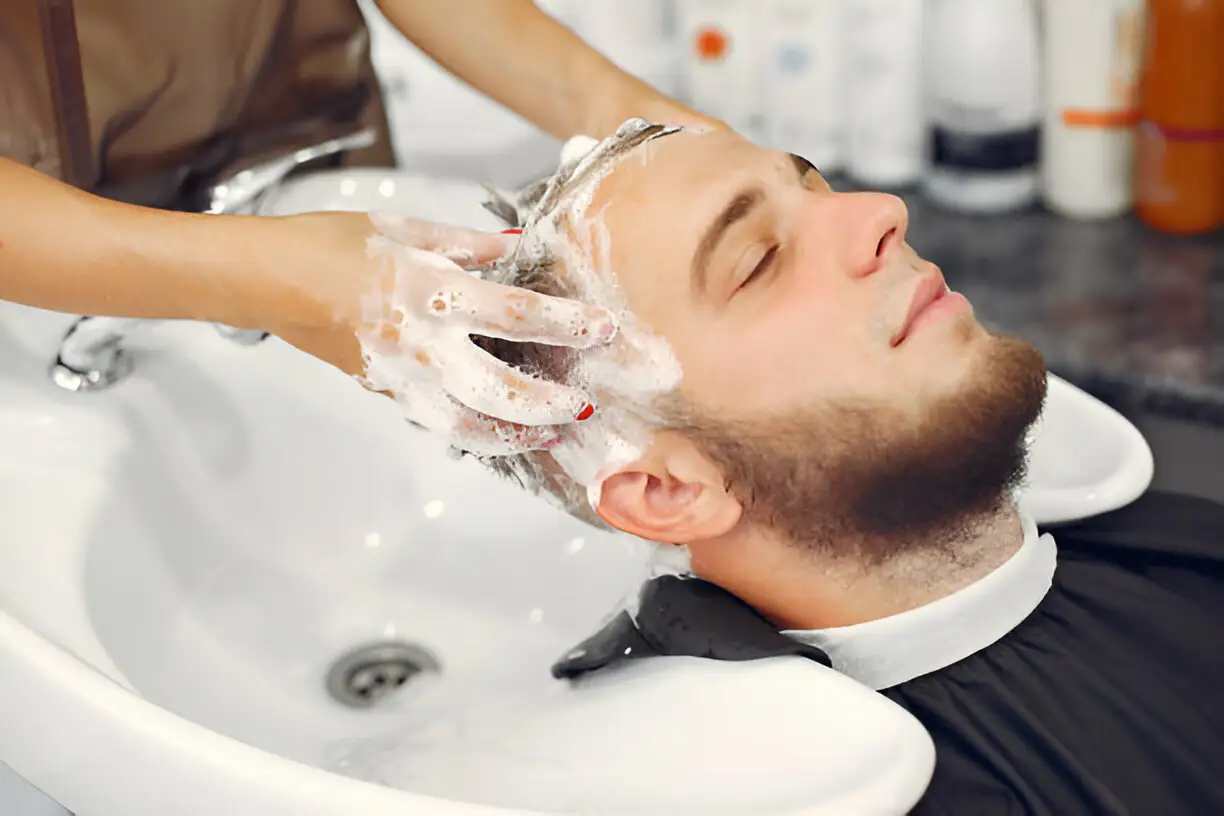
- Shampoo: make foam between your hands if that is how the prescribed product is used, then dab it lightly on the front and other transplanted areas.
- Cleaning: avoid circular motions, rubbing, fingernails and pressure on grafts. Do not comb transplant sites or pull hairs or scabs.
- Rinsing: remove foam gradually with lukewarm low-pressure water or a cup, as explained by the doctor. Do not aim the shower head directly at new grafts.
- Drying: follow the team’s method and let the transplanted area air-dry if instructed. Do not rub it with a towel or use heat from a hairdryer.
How is the donor area washed?
The donor area is where follicles were taken, usually at the back and sides of the head. After the dressing is removed and cleaning is permitted, apply the prescribed foam and clean gently with your fingertips only if the doctor allows it. The team may permit a different way of touching this area than the transplanted area, but do not use nails, rub wounds or scrape scabs. Rinse gently and pat dry lightly if permitted. Apply ointment only if prescribed, in the specified amount and frequency. Stitches, as in some FUT procedures, require specific care instructions.
Removing dressings
Ask the team when the donor-area dressing should be removed and who will remove it; timing varies. It is preferable for the team to remove it at the first follow-up. If the doctor allows removal at home, follow the demonstration step by step with clean hands. Do not pull a firmly stuck dressing or wet it with a product of your own choosing. If it sticks or removal causes bleeding, stop and contact the clinic. Do not remove stitches or apply a new dressing over grafts without direction.
Scabs and follow-up after day ten
Softening scabs is part of washing; tearing them off is not required. If scabs remain attached at the end of the program, send a clear photo if the team requests one and arrange a review. Do not force all scabs off in one session. Returning to regular shampoo, shower pressure and massage depends on skin healing and your doctor’s approval.
When should you contact the doctor?
Contact the team promptly for persistent bleeding, severe or worsening pain, increasing redness or swelling, unusual discharge or fever. Ask before washing if you are unsure of the timing, product order or how to handle a dressing. Follow the prescribed ten-day care plan and stay in contact with your doctor throughout recovery.
Care references: NHS: recovery after a hair transplant; American Society of Plastic Surgeons: recovery and follow-up; Hair transplant surgeon’s daily washing guidance. Protocols vary; your own doctor’s instructions take priority over general information.