
Procedures to Follow Before and After
Preparing for a Hair Transplant
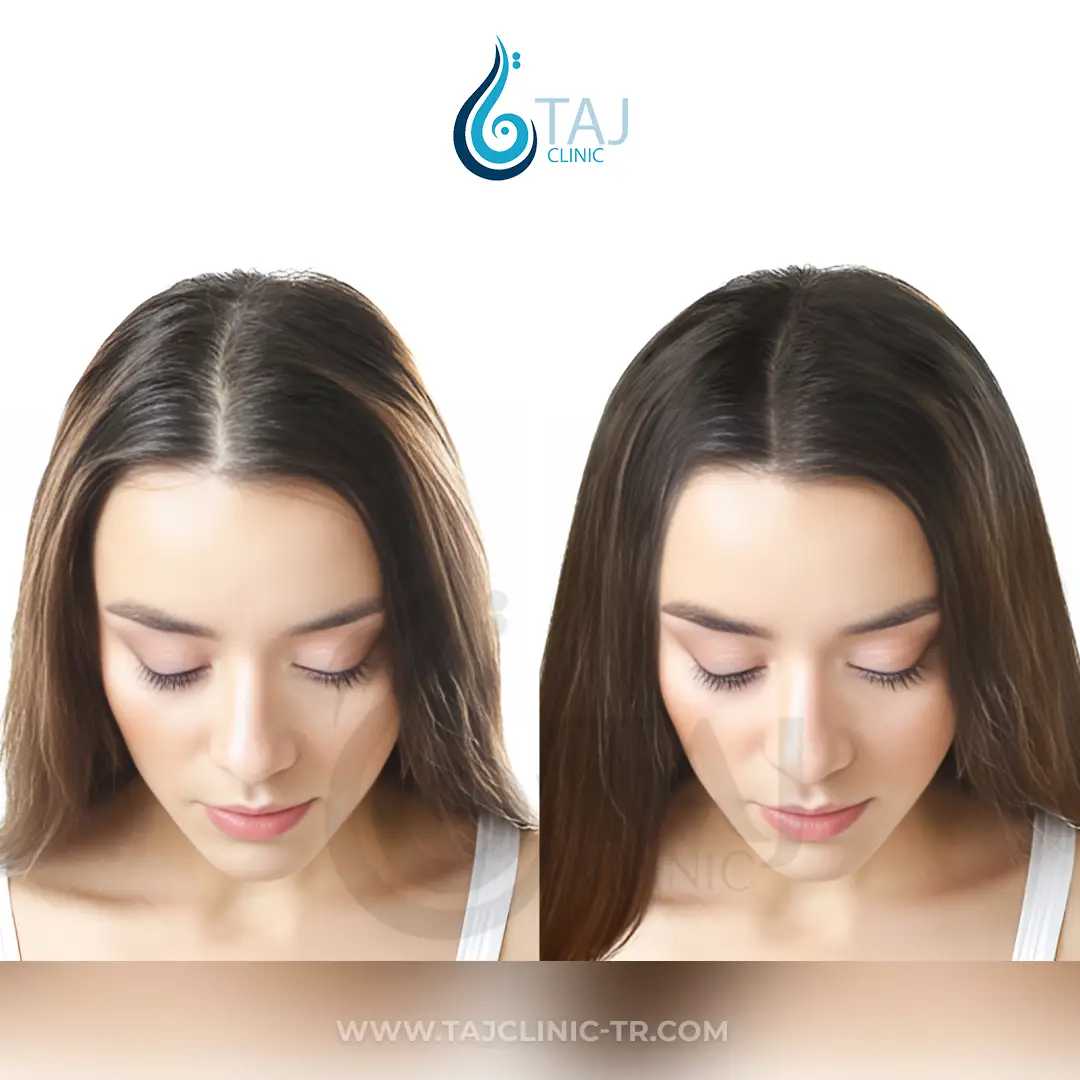
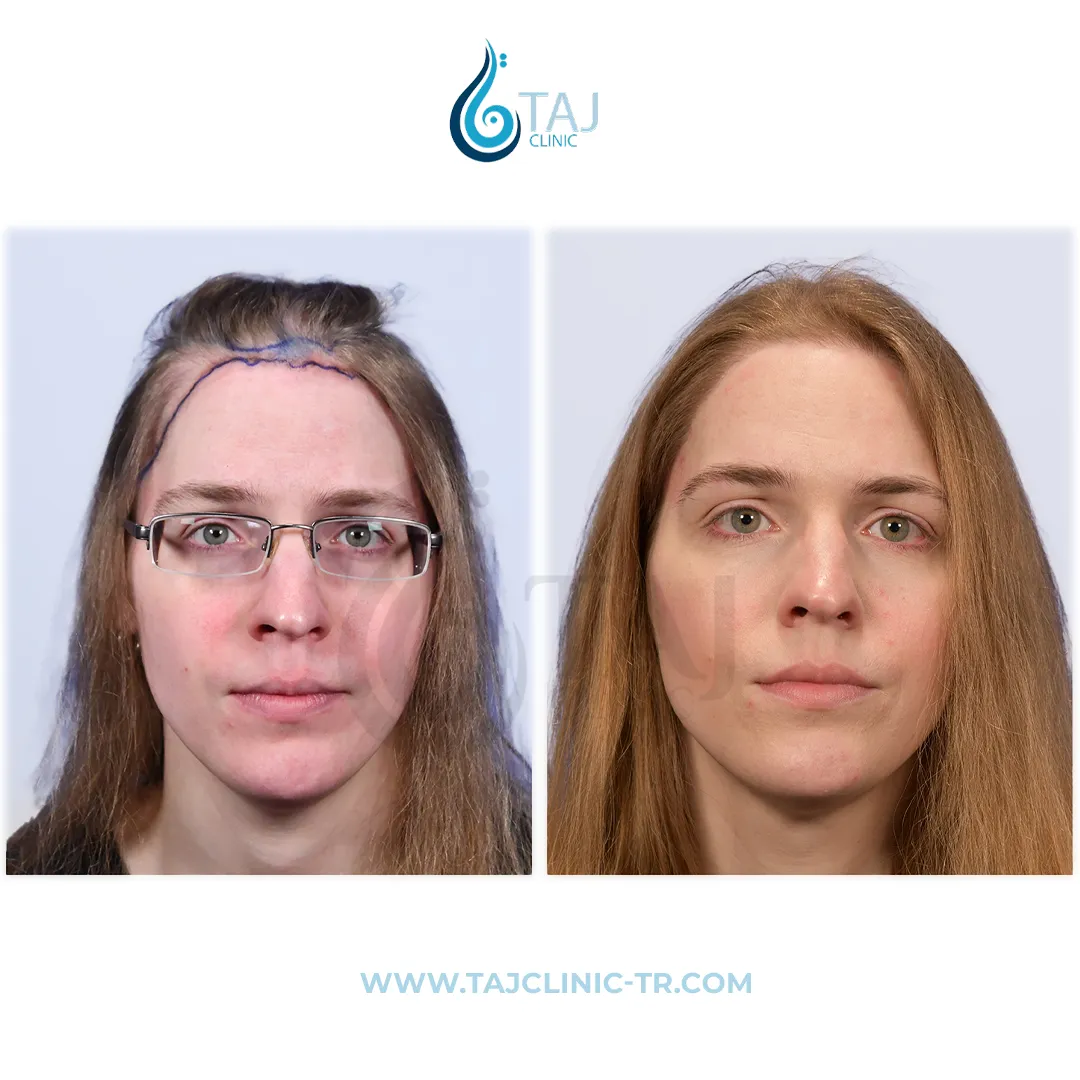
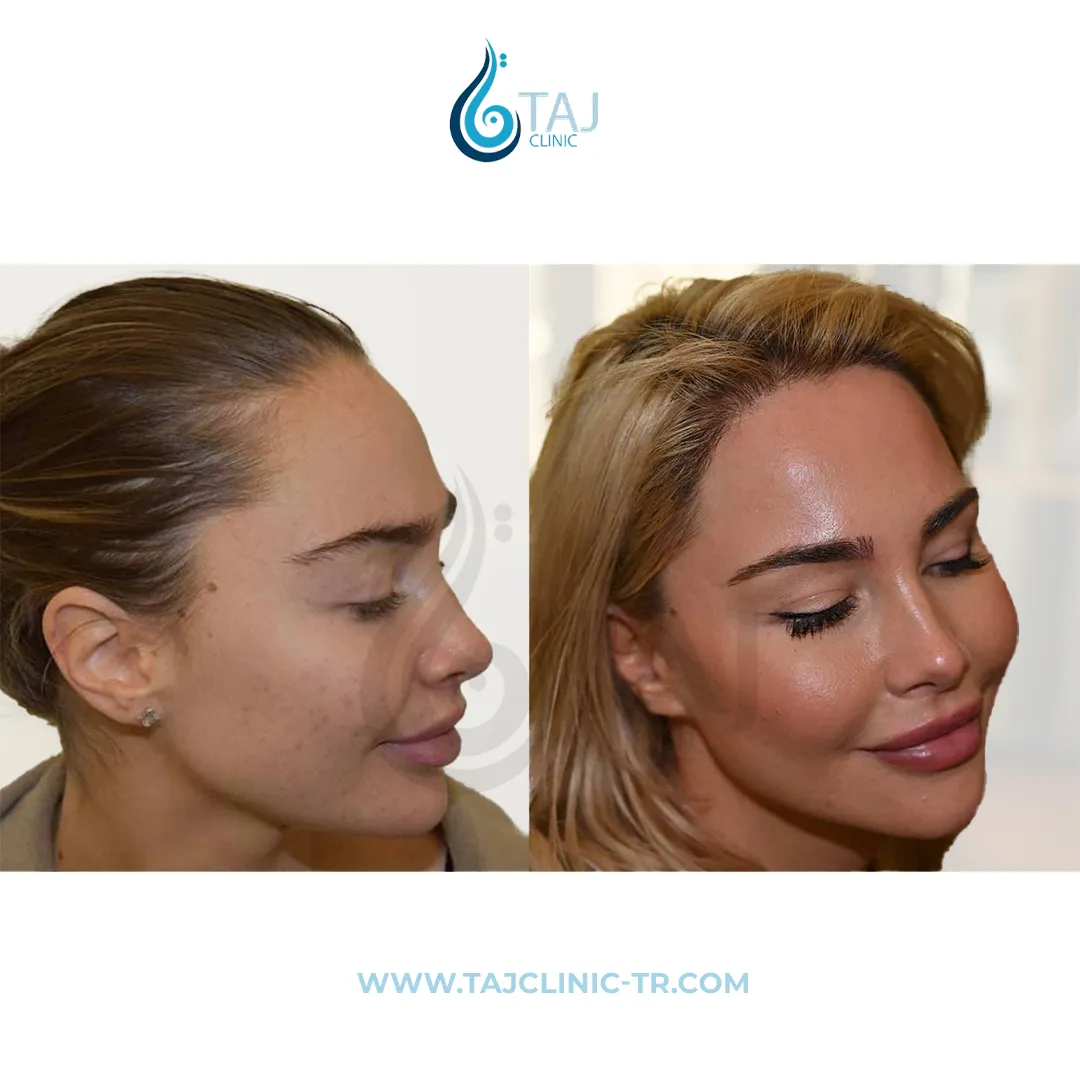
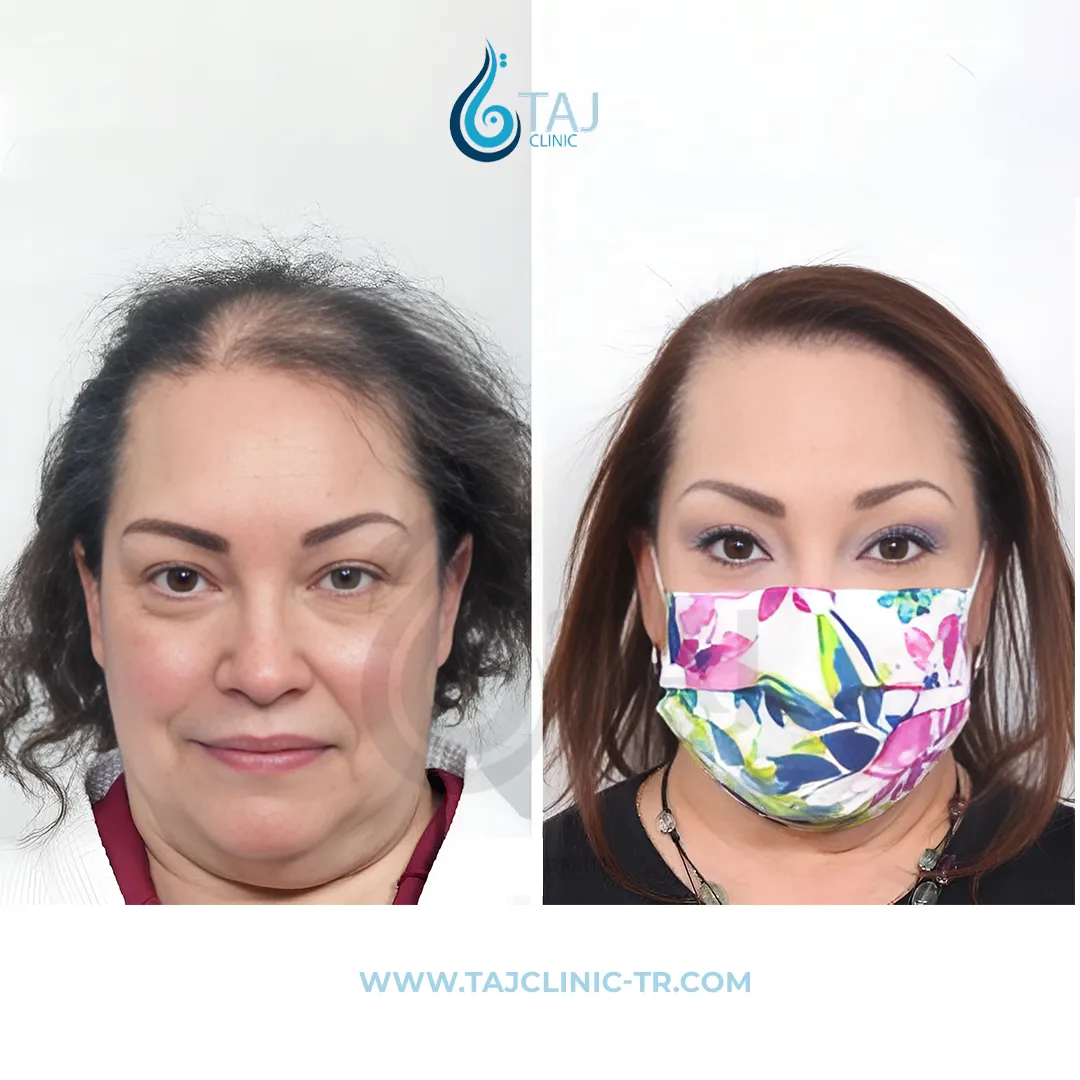
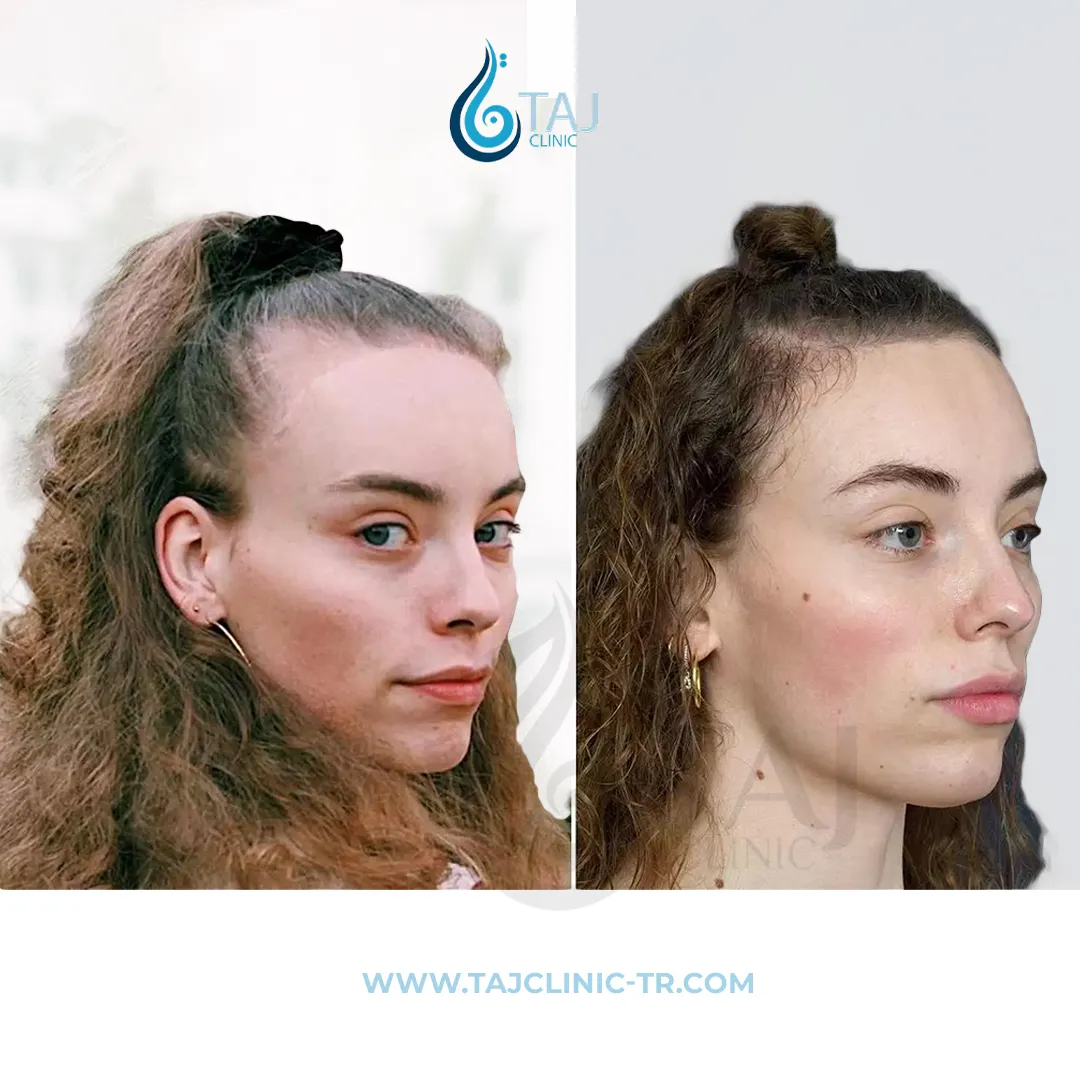
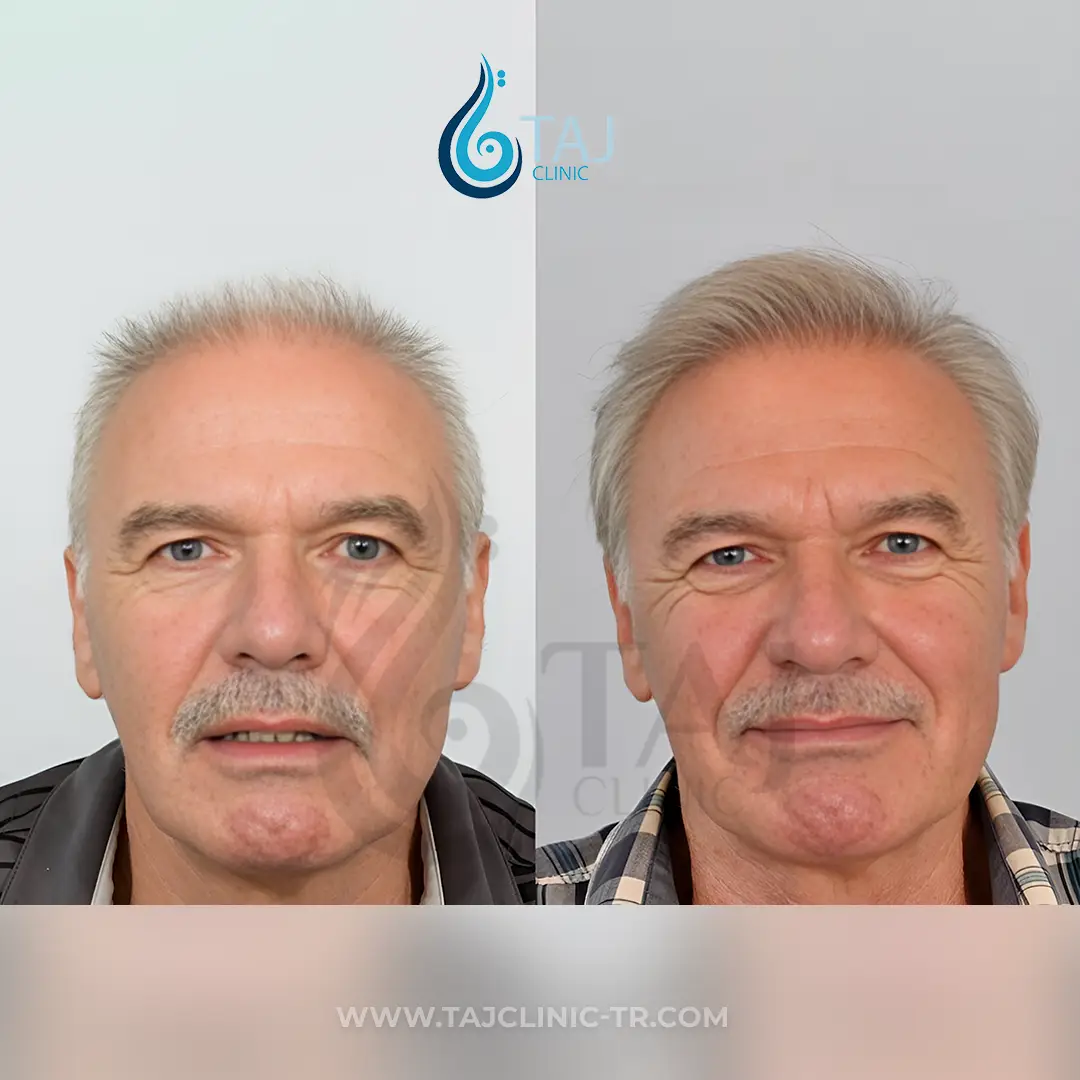
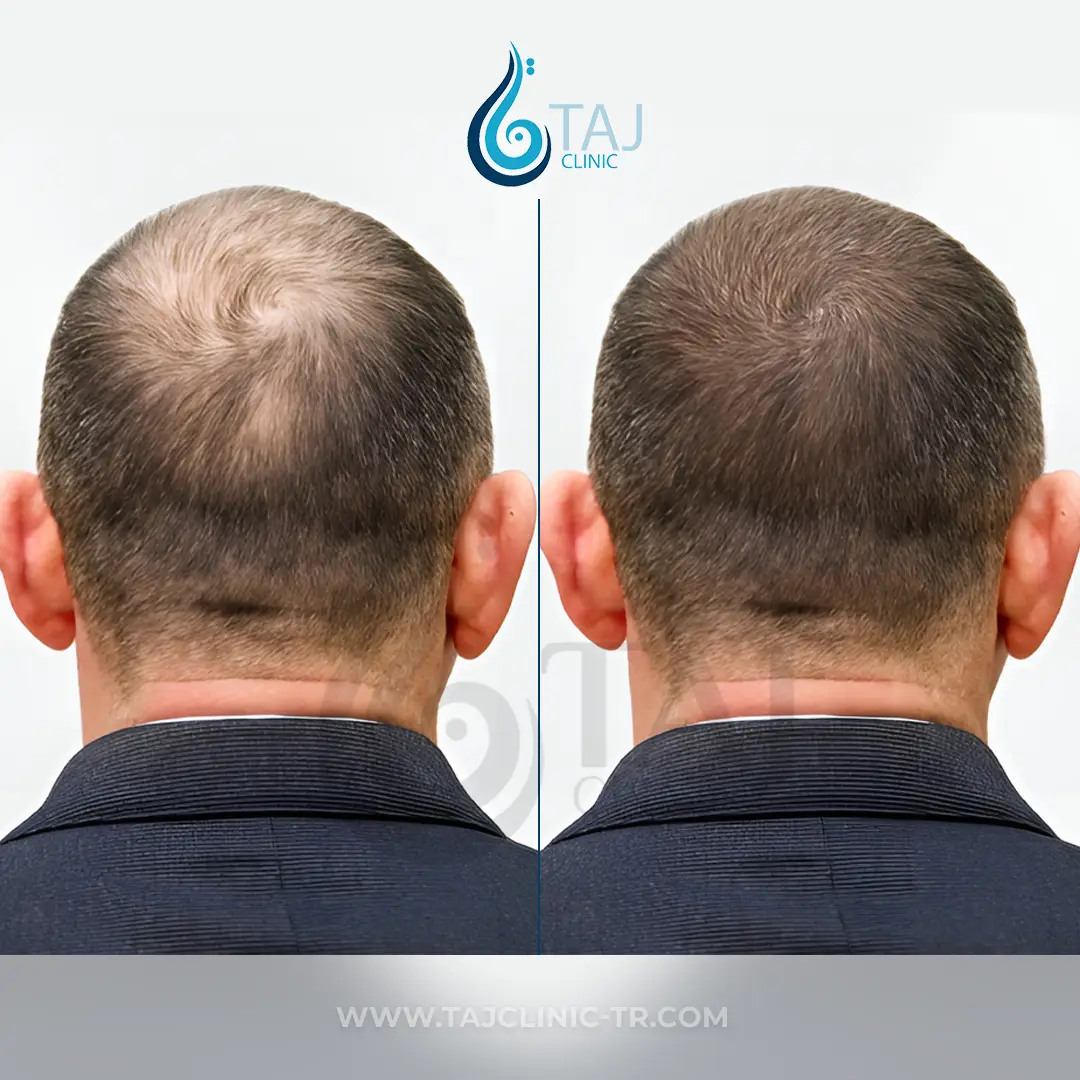
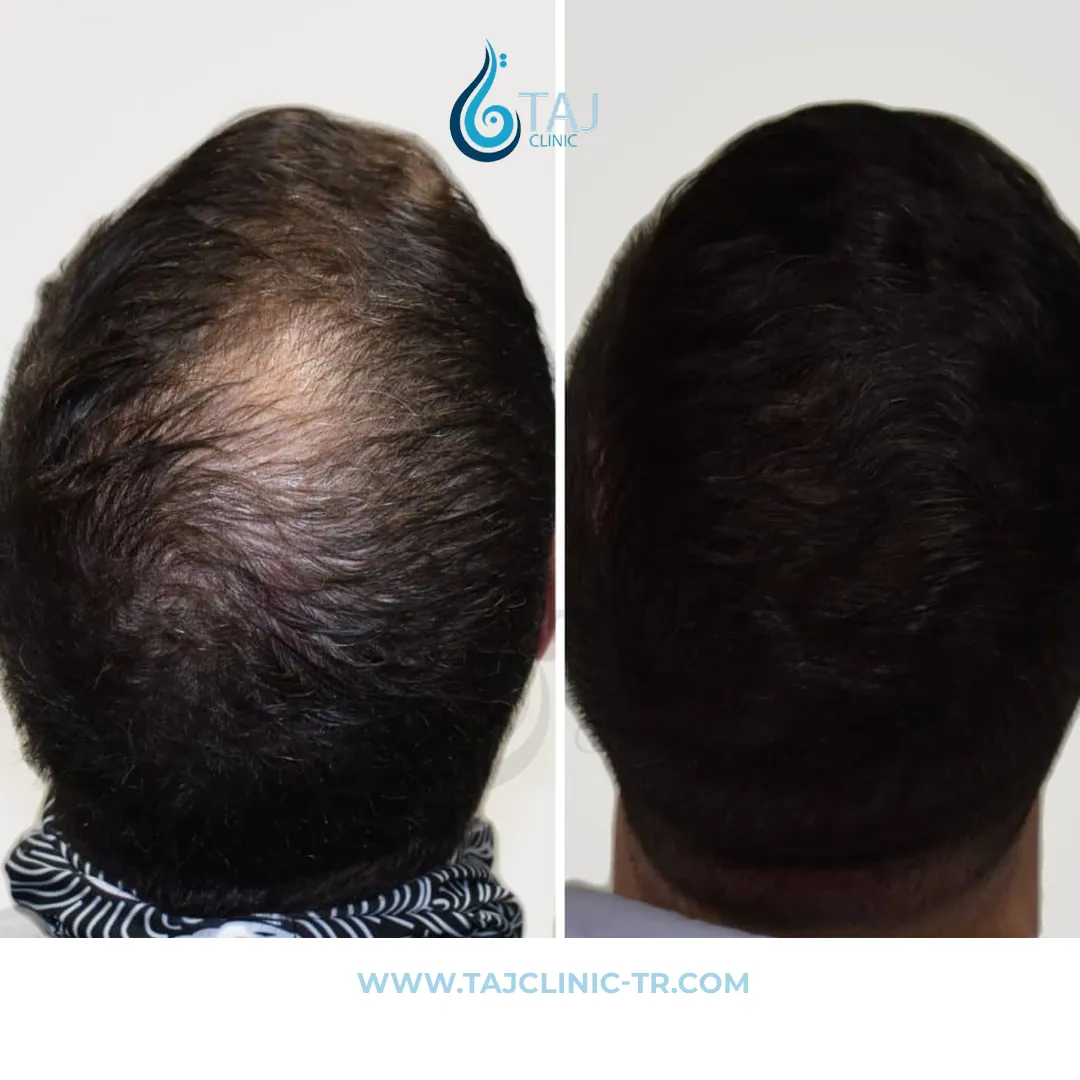
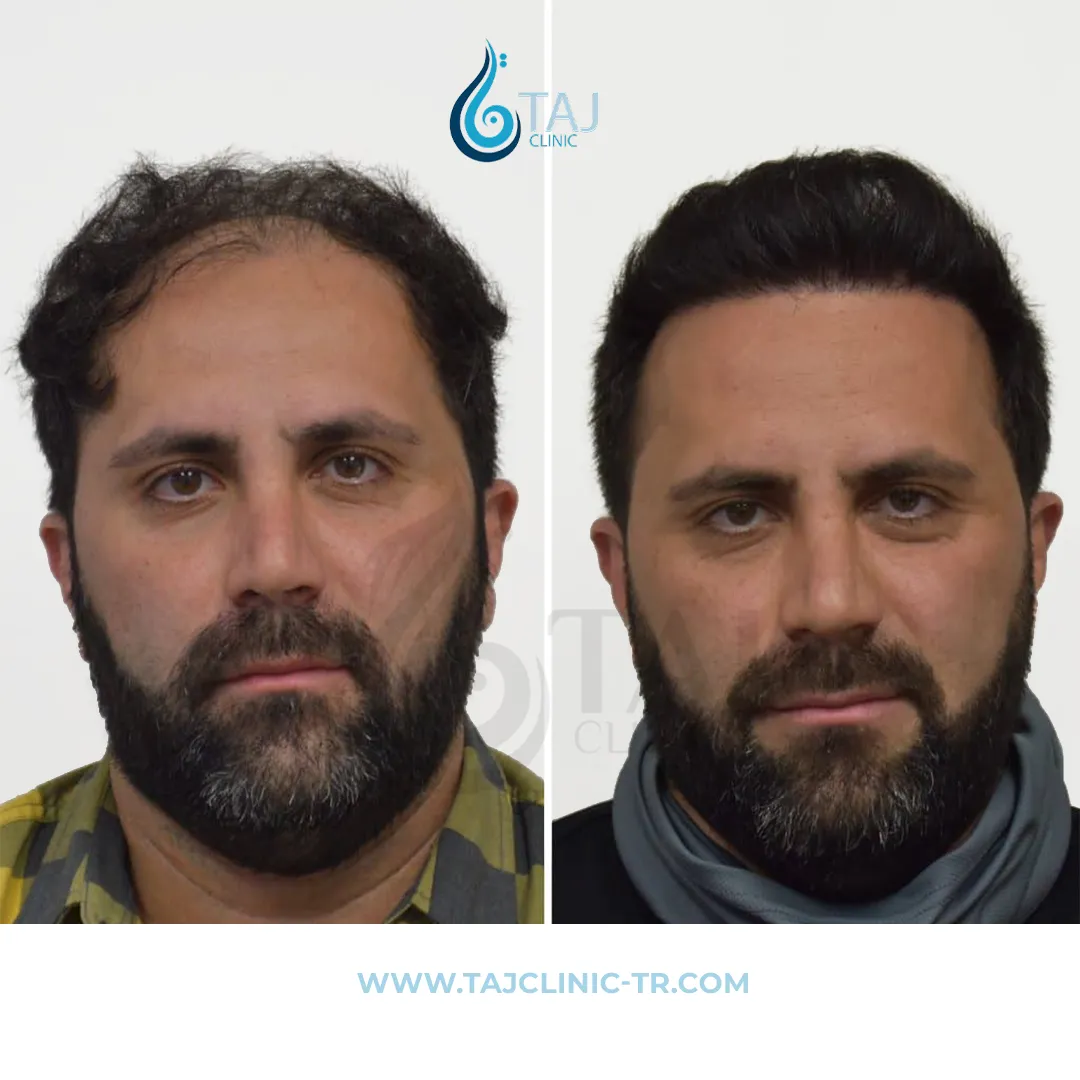
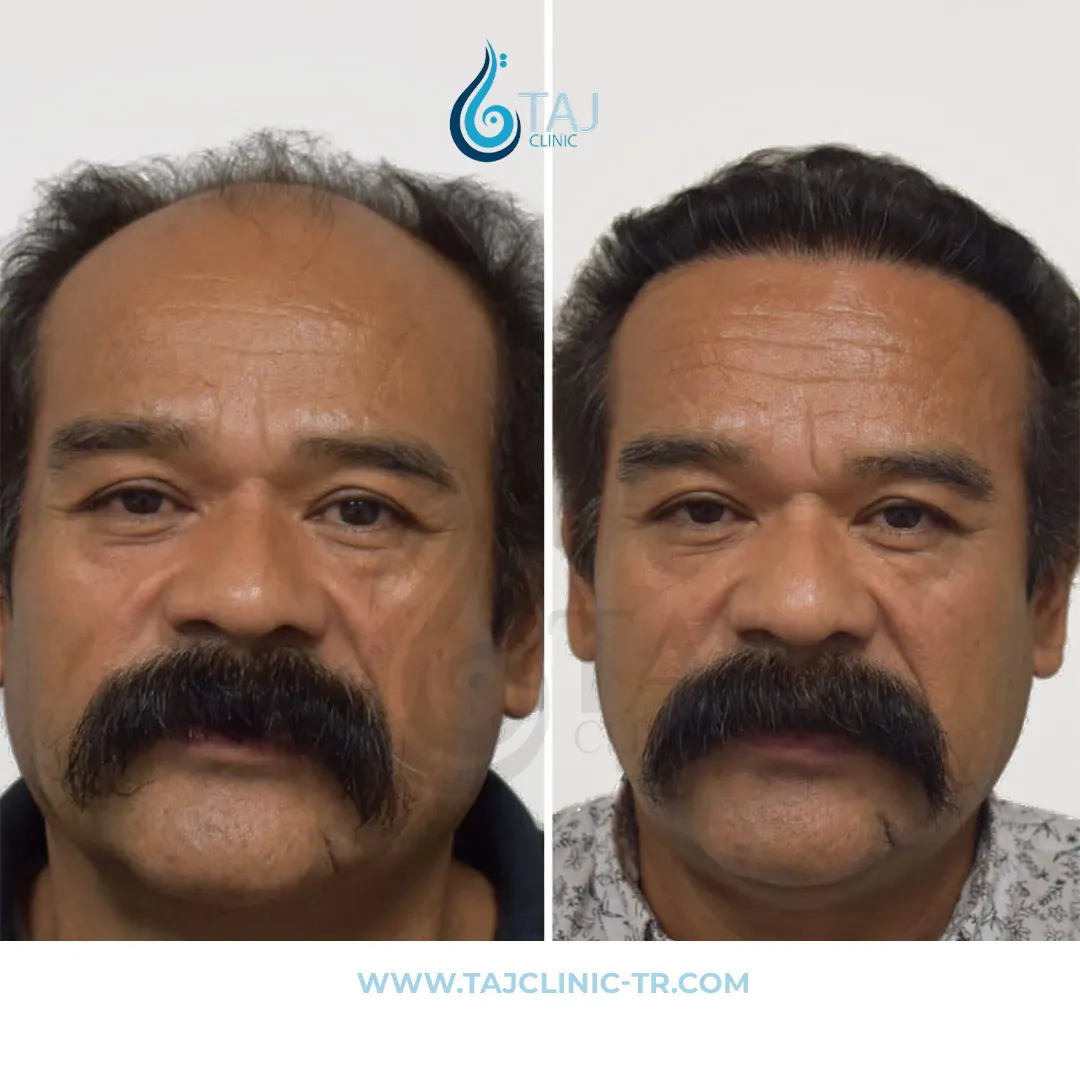
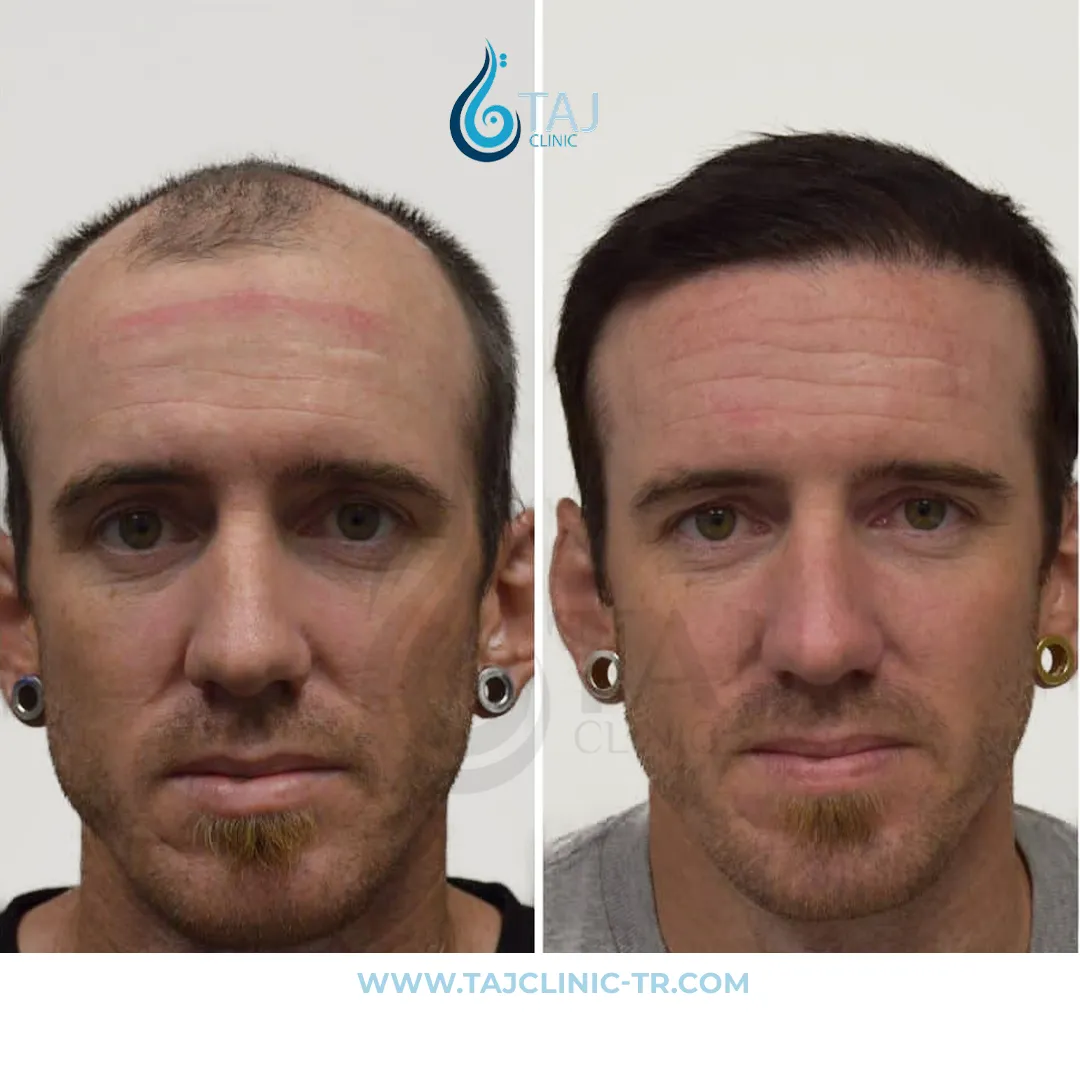
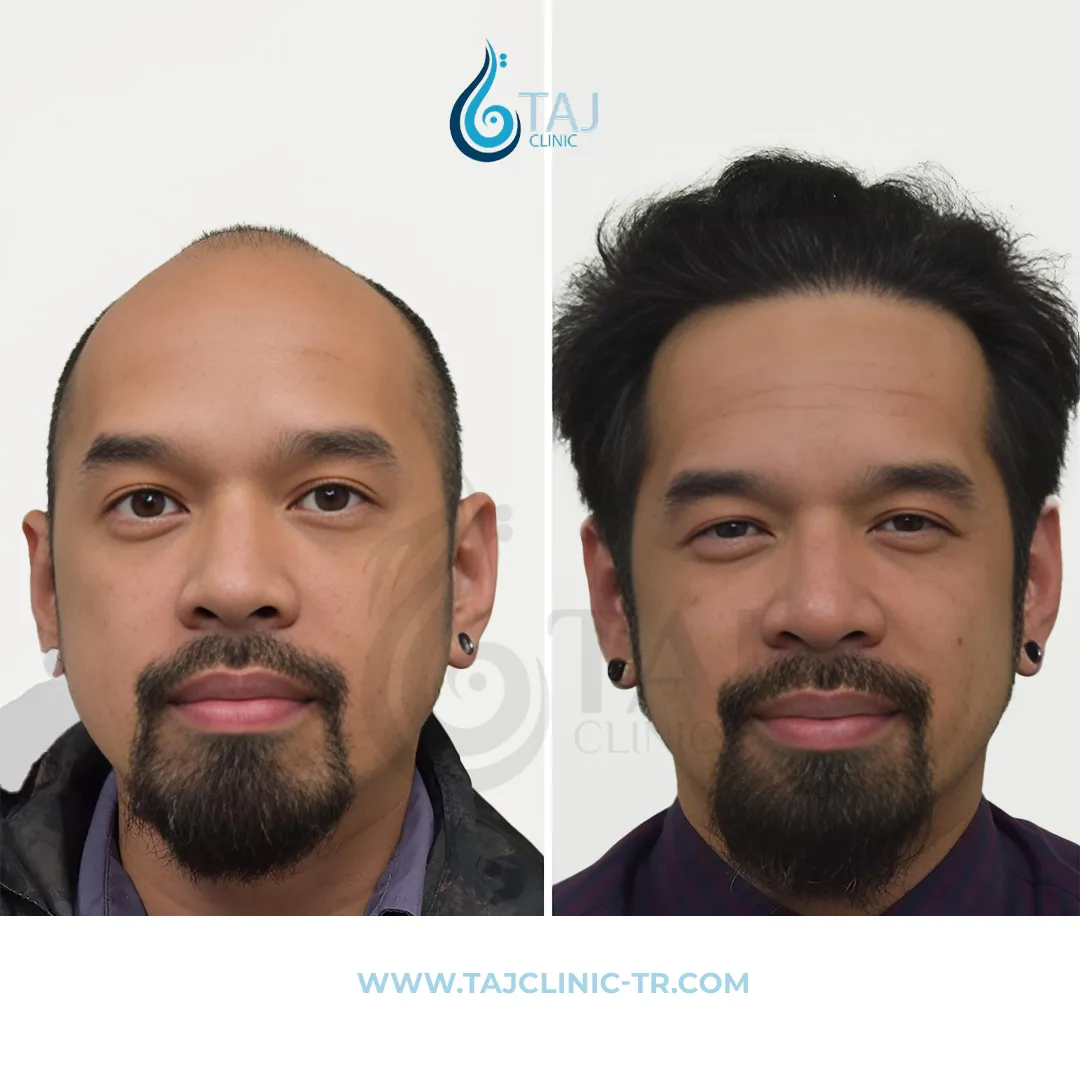
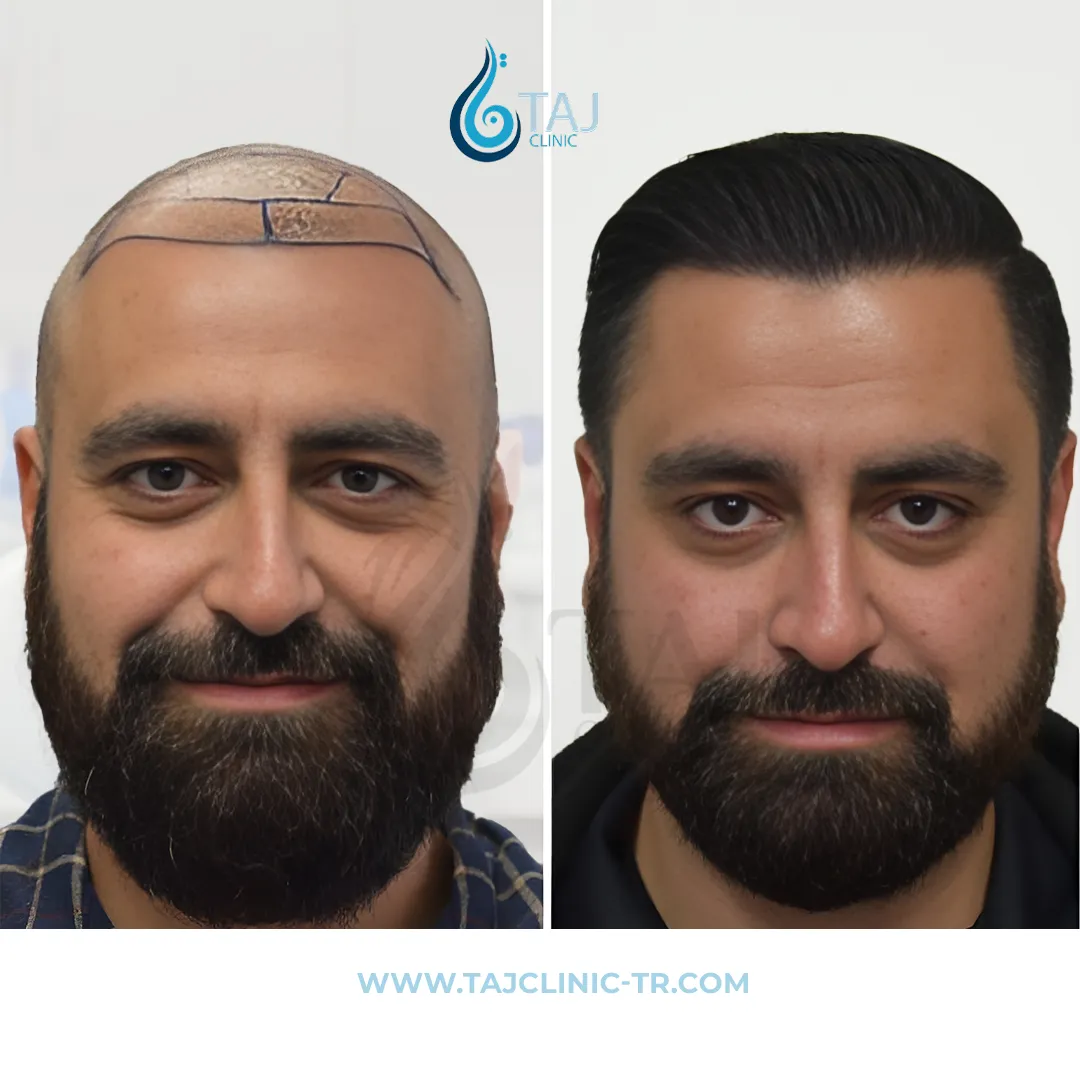
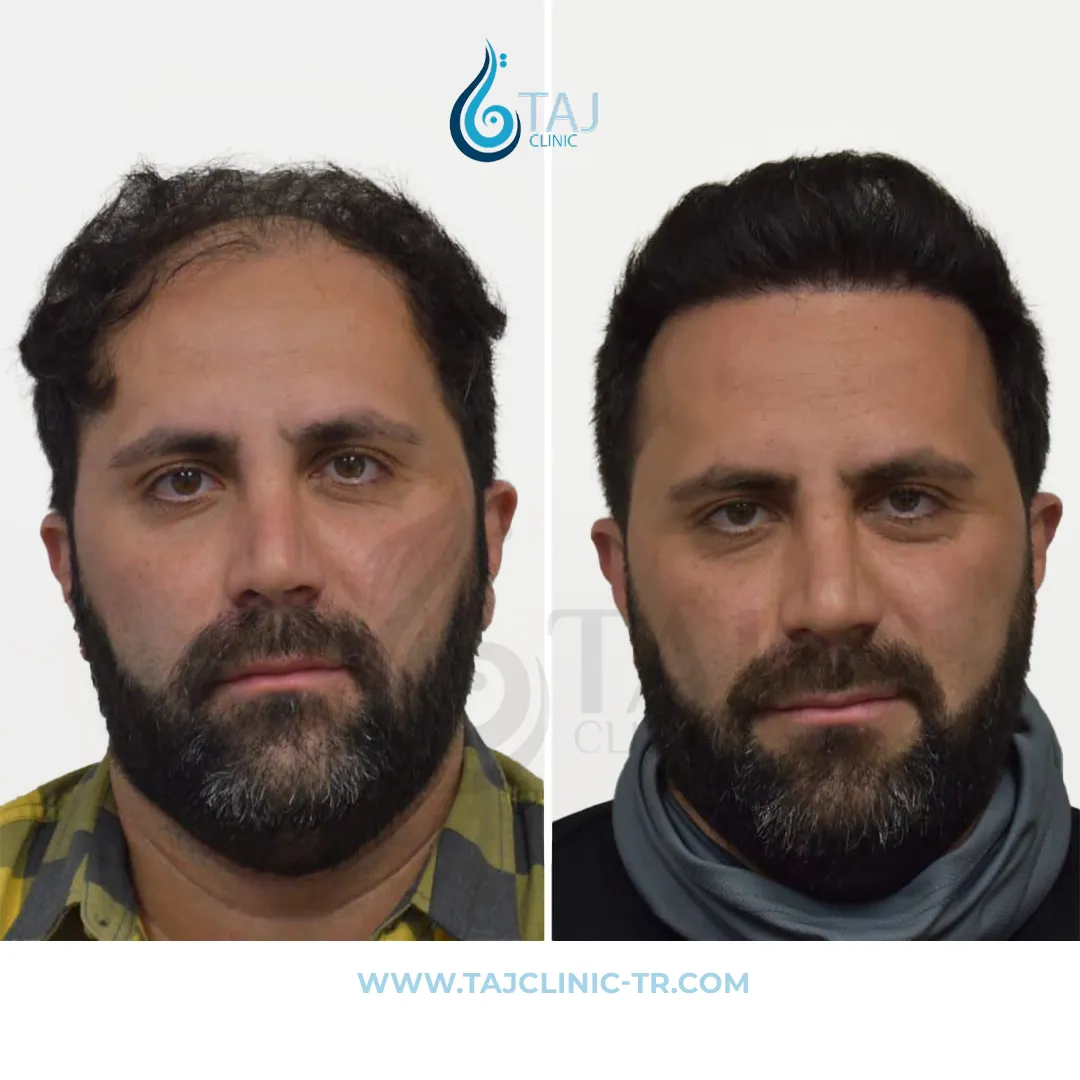
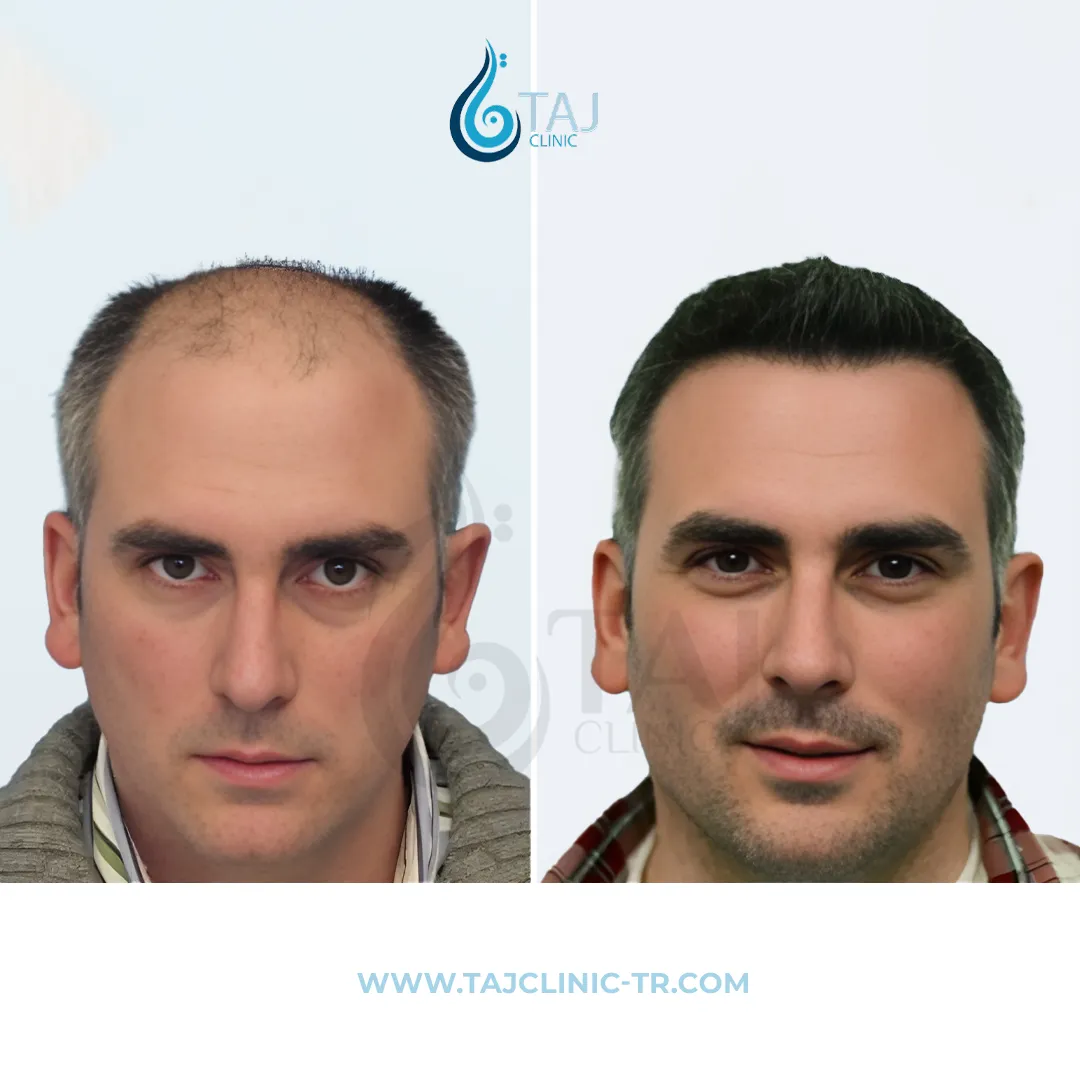
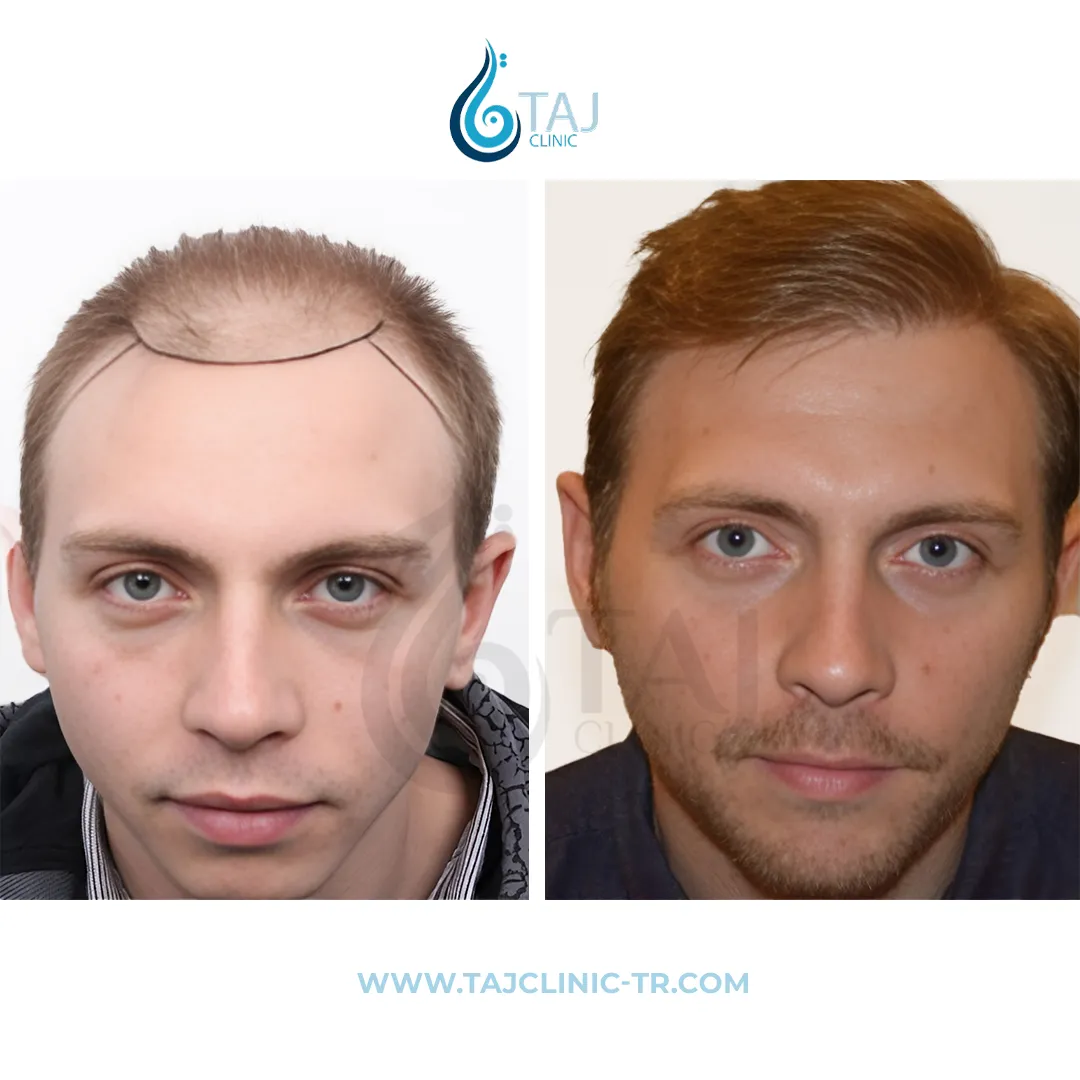
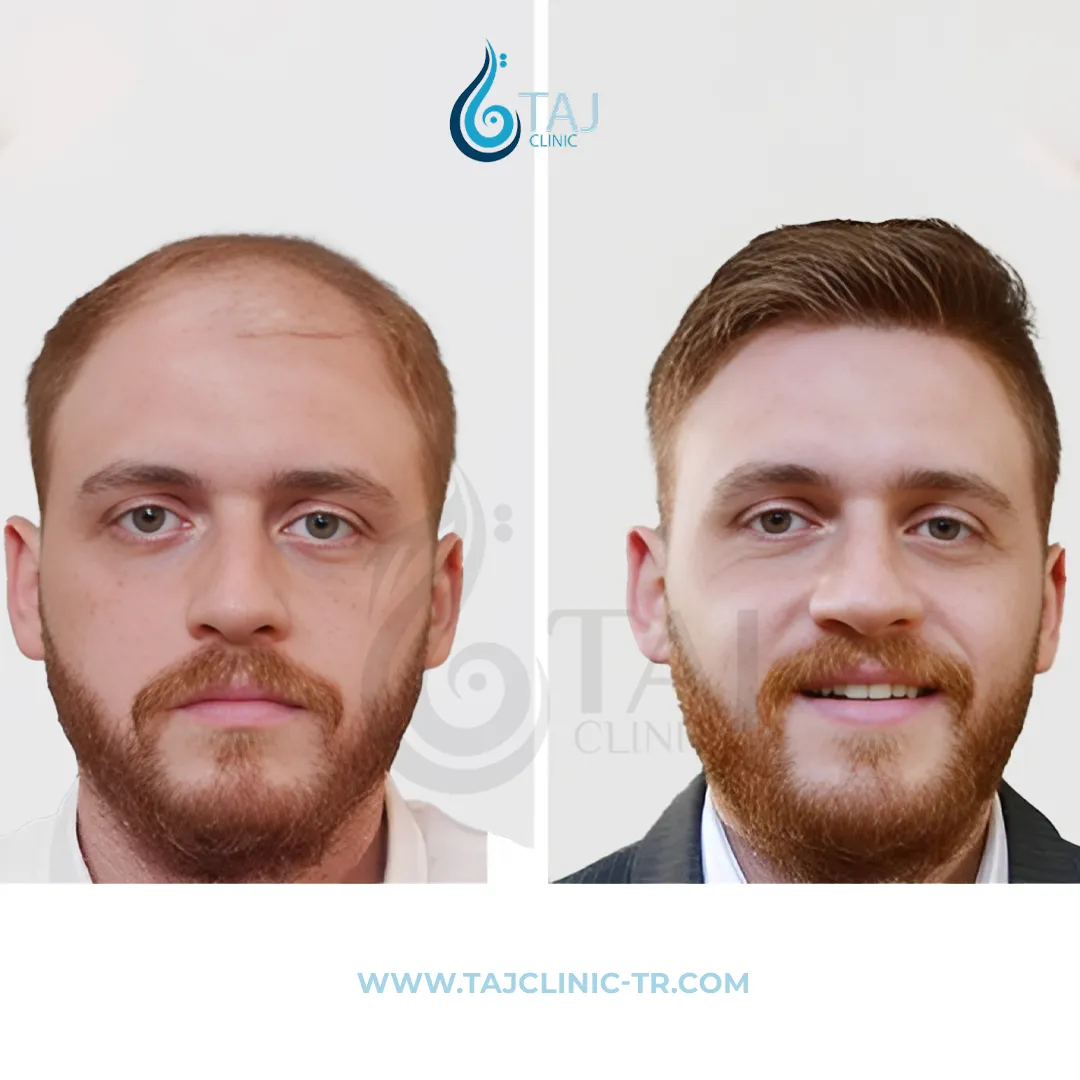
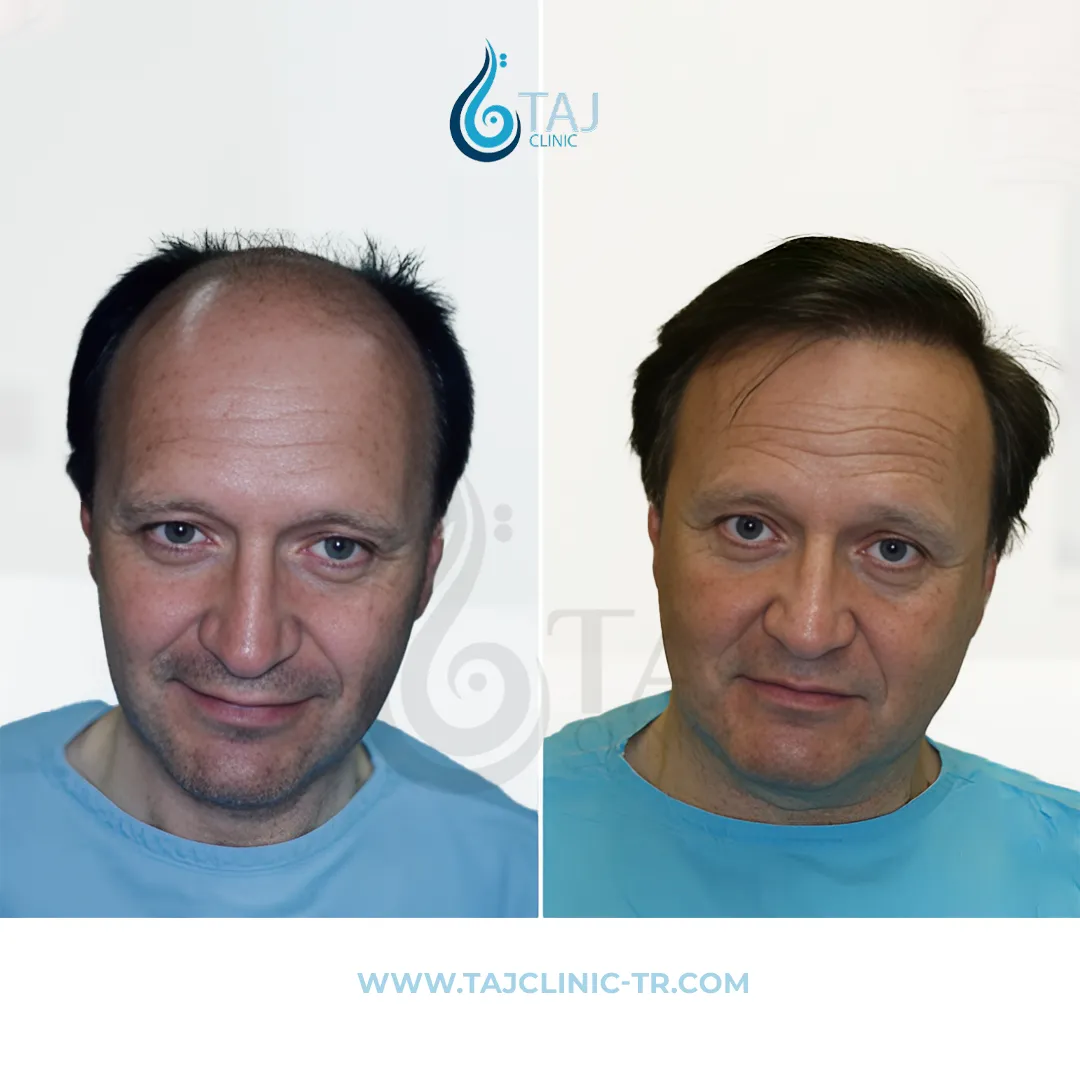
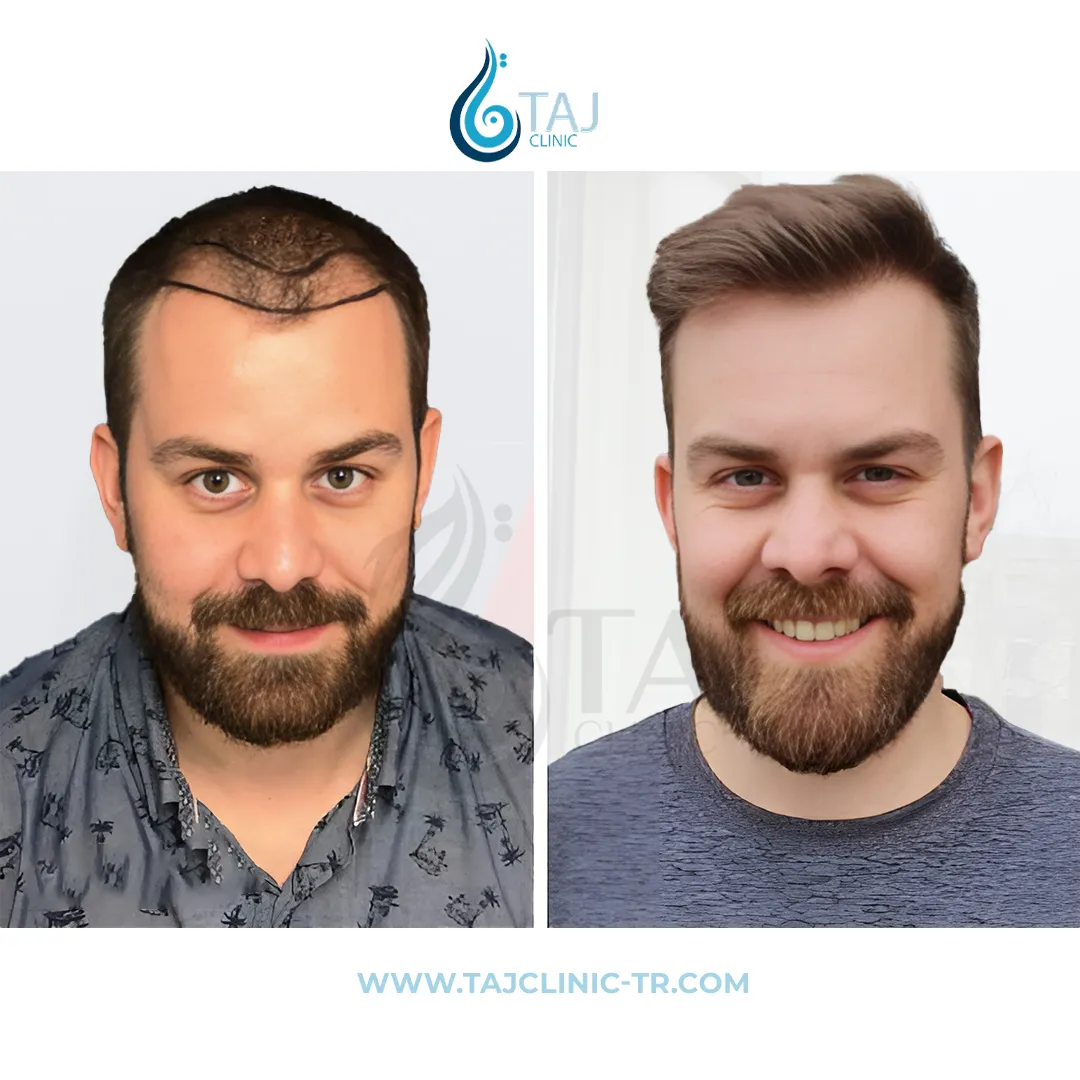
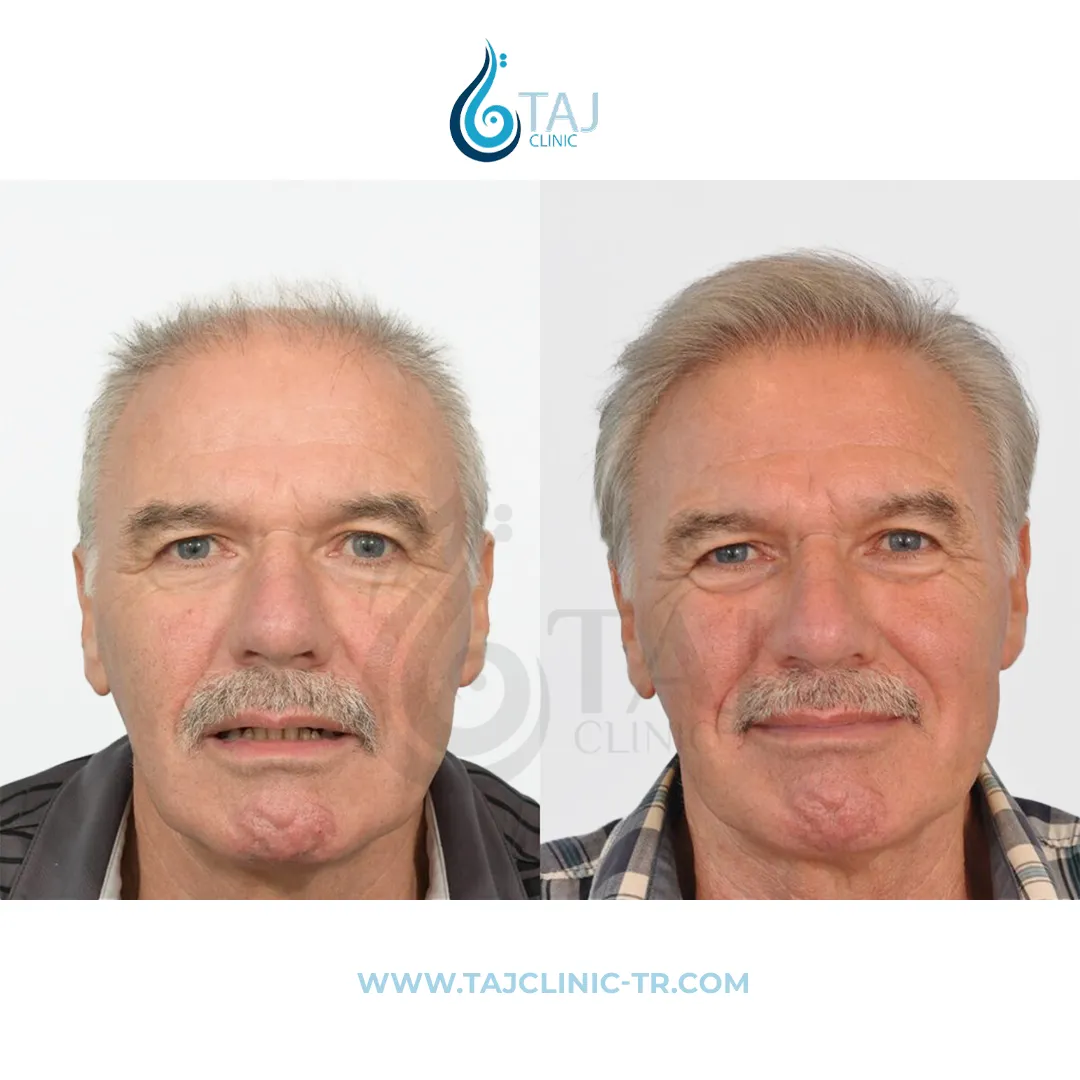
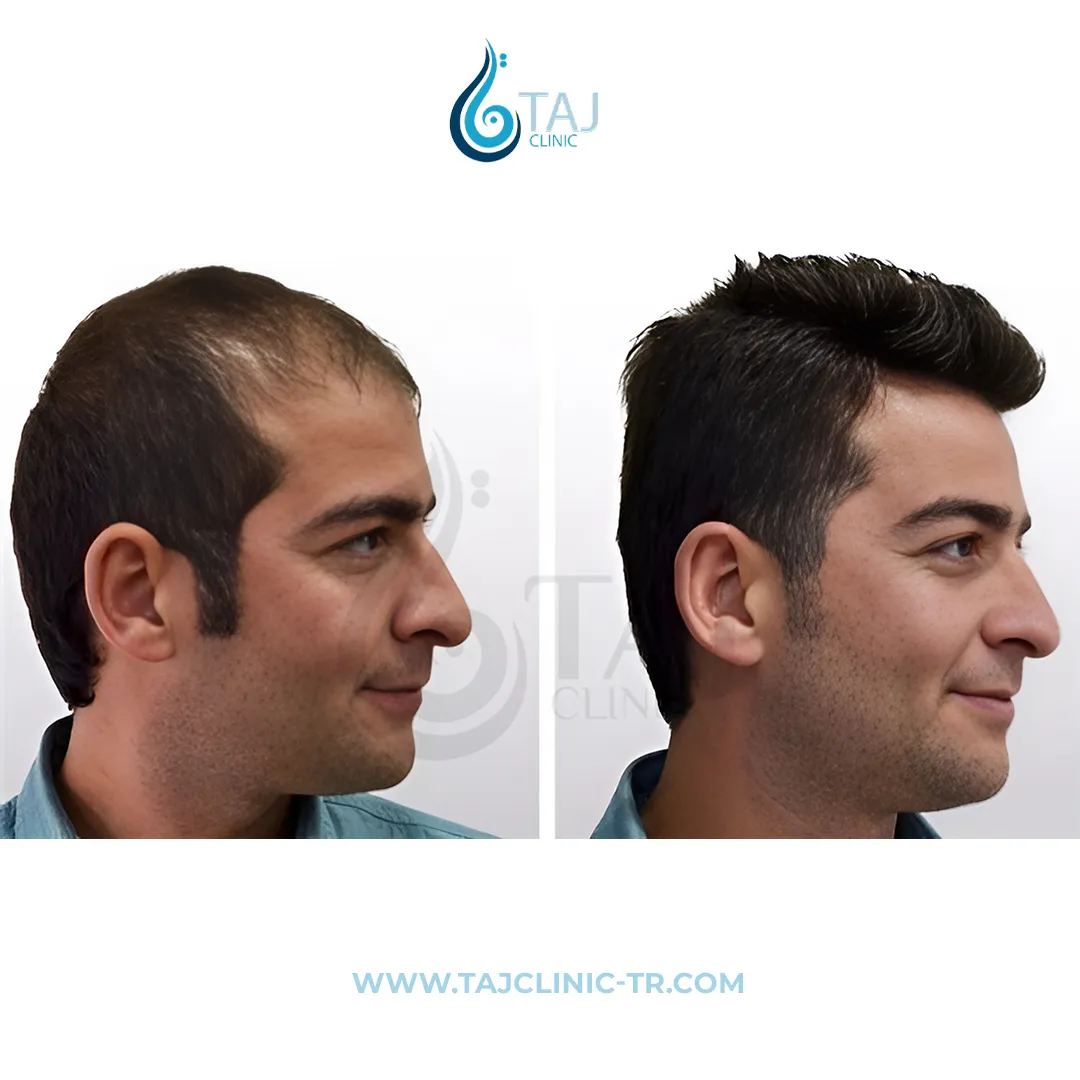
Everyone wants an attractive hairstyle, but hair loss is a common challenge for many. Hair follicle loss occurs for various reasons, and in some cases, it can be reduced over time using natural treatments, while in other cases, it may lead to permanent baldness. This is where Taj Cliniccomes in. We thoroughly assess each case to help patients restore their natural-looking hair, and our results are clearly visible when comparing before-and-after photos of hair transplant procedures.
Although hair transplantation essentially consists of two main stages— follicle extraction and implantation—there are many important steps that must be followed before and after the procedure to ensure the best results. So, what preparations are necessary before a hair transplant? How is the surgical procedure performed? And what should you pay attention to after undergoing a hair transplant in Istanbul? Taj Clinic provides you with all the answers to ensure a successful experience and satisfactory results.
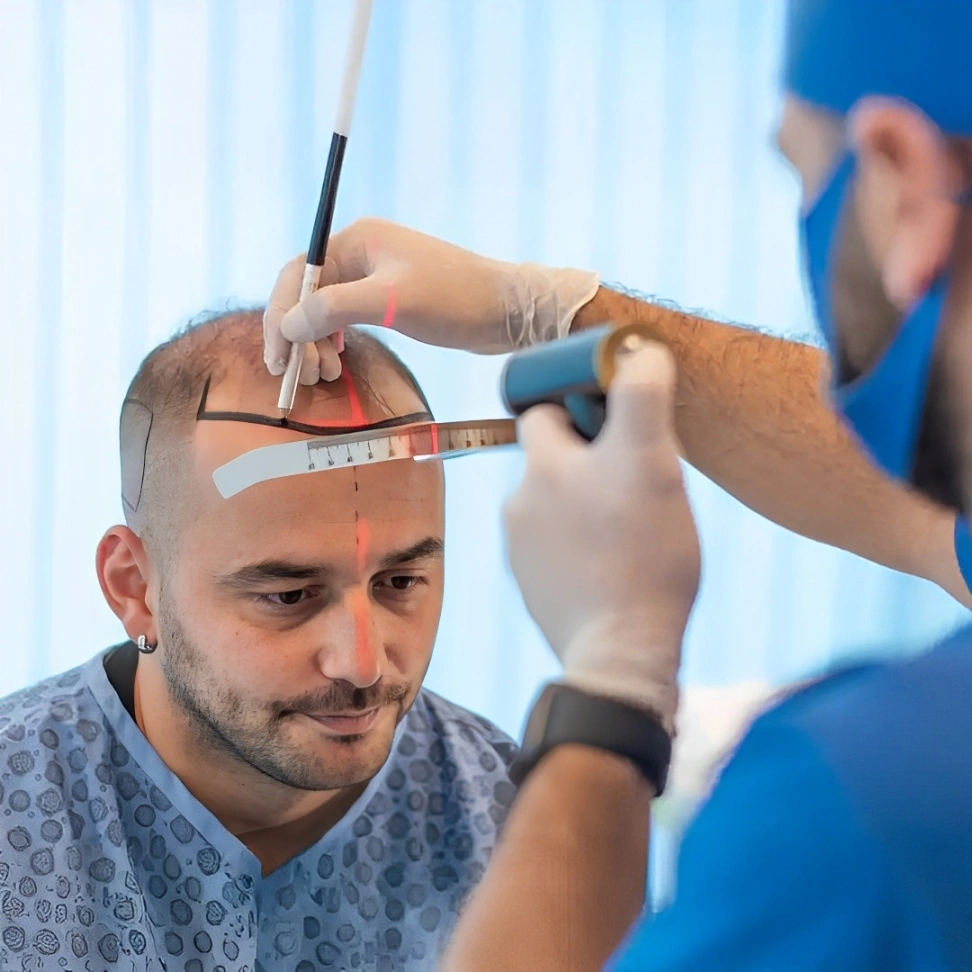
Before a Hair Transplant at Taj Clinic
At Taj Clinic, we are committed to providing the best hair transplant experience through thorough evaluation and proper preparation to ensure natural and satisfying results. Before undergoing the procedure, there are several essential steps that must be followed to ensure the success of the hair transplant and achieve a natural, harmonious look.
Initial Examination of Hair Follicles
At Taj Clinic, we use advanced equipment to accurately examine hair follicles, where we:
- Assessing the extent of hair loss.
- Determining the health and density of hair follicles in the donor area and the affected area.
- Calculating the optimal number of follicles to be transplanted.
- Choosing the surgical technique best suited to your condition.
Medical Consultation and Hairline Definition
A specialist at Taj Clinic is consulted to determine the stability of hair loss and ensure the ideal timing for the procedure, which helps achieve the best possible results. Furthermore, the hair transplant procedure is not limited to simply transplanting follicles; it also involves designing a natural hairline that complements the patient’s facial features and future hairstyle preferences, ensuring an attractive appearance after the procedure.
Preparations and Precautions Before a Hair Transplant
To ensure the success of the procedure, there are some important pre-surgery instructions to follow:
✅ Medications and supplements:
- Stop taking medications that contain aspirin or vitamin E one week before the procedure.
- If you are taking anticoagulant medications or have undergone major surgery, you should inform your doctor in advance.
- Patients with enlarged scars or swelling in their feet should inform their doctor of their condition.
✅ Daily Habits:
- If you smoke, it is best to quit at least three days before the procedure.
- You must stop using hair growth treatments one week before the procedure.
- You can wash your hair with shampoo on the day of the procedure to ensure it is clean.
✅ Day of the procedure:
- Wear comfortable clothing, such as a zip-up shirt or a button-down blouse, to avoid rubbing against your scalp after the procedure.
- Arrive at the clinic at the time of your appointment, when the doctor will explain the final steps to prepare for surgery.
- Have a light breakfast before coming in.
- It is best not to drive alone after the procedure, so it is recommended that you have someone accompany you.
- Hair transplants at Taj Clinic do not require an overnight hospital stay; you can go home the same day after the surgery is complete.
At Taj Clinic,we guarantee you a safe hair transplant experience and natural-looking results that will boost your self-confidence.
Post-Hair Transplant Care with Taj Clinic
After undergoing a hair transplant, the recovery period begins—one of the most important stages for achieving successful and long-lasting results. At Taj Clinic,we fully understand how eager you are to see the results, so we’re providing you with a comprehensive guide to post-transplant care to ensure the most natural-looking results possible.
Why is the post-transplant period important?
Post-operative care is just as important as the surgical procedure itself, as it helps speed up recovery, improve the growth of the transplanted hair, and ensure that the new follicles take root. Therefore, it is essential to follow the care instructions carefully to ensure you achieve the desired results.
Post-Hair Transplant Care Recommendations
🟢 Wound Care and Laser Hair Regrowth
- Starting the day after the procedure, at Taj Clinic we provide specialized wound care using laser treatments to promote hair growth and accelerate healing.
- Regular follow-up visits are provided to ensure optimal recovery, along with nutritional advice to help promote the health of new hair follicles.
🟢 Removing Scabs After a Hair Transplant
- It is important to wash your hair gently after the procedure without disturbing the transplanted hair follicles.
- It is best to have the first shampoo done at the clinic under the supervision of a specialist to ensure the health of the scalp.
🟢 Laser Hair Follicle Stimulation
- We use low-level laser technology at a wavelength of 660 nanometers to stimulate hair growth and reduce hair loss.
- Laser treatment lasts 20 minutes per session, which accelerates wound healing and improves results.
🟢 Pain Management After a Hair Transplant
- Most patients do not experience pain after the procedure, but prescribed medications can be taken to relieve any mild discomfort.
- In rare cases, if you experience severe pain, please contact Taj Clinic immediately.
🟢 Avoid Certain Harmful Habits After Surgery
- It is recommended that you avoid taking aspirin or any unfamiliar medications without consulting a doctor.
- You should avoid smoking and drinking alcohol, as they may affect the healing of the scalp.
🟢 Returning to Daily Activities and Exercise
- It is best to avoid strenuous exercise for one week after the procedure.
- After a week, you can gradually resume your daily activities and light exercise.
🟢 Comb your hair carefully
- Be careful when combing your hair during the first week to avoid removing the scabs in the transplant area.
- It is not recommended to dye or perm your hair until at least one month has passed since the procedure.
🟢 The natural growth cycle of new hair
- The transplanted follicles go through a resting phase lasting 3–4 months before new hair begins to grow.
- The transplanted hair may fall out at first—which is normal—before slowly growing back.
- Hair grows at a rate of about 0.5 to 1 cm per month, and hair density gradually increases.
- In some cases, temporary hair loss may occur around the transplanted areas, but the hair will grow back within 3–6 months.
Taj Clinic—A Track Record That Speaks for Itself
At Taj Clinic, our doctors and hair transplant team have extensive experience spanning more than 1,000 successful procedures,making us the ideal choice for you.
If you are interested in a hair transplantor have any questions, please feel free to contact us to schedule a consultation with our experts and view before-and-after photos and results from our patients.
Before & After


Steps of Hair Transplantation

Contact our medical consultant and let them guide you throughout the entire process.

Plan your medical tour in mutual agreement with our consultant.

Get your tickets booked and choose the procedure date.

Sit back and relax until the appointment time, and leave everything to us.

We will pick you up from your arrival location and accompany you between the hotel and the clinic for the round trip.

Our team is available to answer your questions and support you throughout your treatment journey.
Frequently Asked Questions
The success of hair transplantation in women depends on several factors such as the extent of hair loss, the quality of transplanted follicles, and the overall health of the patient. Generally, success rates for hair transplantation in women are lower than in men because the hormone responsible for hair loss is present throughout the scalp in women, making it more challenging to find suitable donor areas. However, when performed by a skilled and experienced surgeon, hair transplantation can be a successful and effective option for women experiencing hair loss or thinning.
Hair transplantation for women involves harvesting healthy hair follicles from a donor area and transplanting them into areas of the scalp experiencing hair loss or thinning. The transplanted hair follicles then continue to grow naturally in their new location.
Yes, women can undergo hair transplantation procedures. Hair transplantation is not exclusive to men, and both men and women can benefit from it.
This depends on individual needs and preferences. For individuals dealing with an incomplete or patchy beard, beard transplantation in Turkey can be a good solution to achieve a denser and more natural-looking beard. Additionally, the cost of beard transplantation surgery in Turkey is relatively lower compared to other countries. However, it’s crucial to choose a reputable and experienced clinic to ensure a successful and satisfactory outcome.
Typically, beard transplantation procedures in Turkey are permanent, as the transplanted hair follicles are taken from the patient’s scalp, and this hair is genetically programmed to grow for a lifetime. However, the long-term success of beard transplantation also depends on factors such as the patient’s lifestyle and overall health.
The results of beard transplantation in Turkey can appear natural if performed by a skilled and experienced surgeon. The use of advanced techniques in beard transplantation surgery in Turkey helps achieve natural-looking outcomes.
Beard transplantation in Turkey is a cosmetic procedure that involves transplanting hair follicles from the back of the head to the beard area. The goal is to increase the density and thickness of the beard or fill in bald spots on the face.
Yes, hair transplantation using the DHI technique can lead to permanent results. The transplanted hair follicles are taken from the patient’s scalp, which means they are not rejected by the body and can continue to grow naturally in their new location.
Hair transplantation using the DHI technique can be a highly effective method for hair restoration when performed by an experienced surgeon. The results can be permanent and have a natural appearance, with typically shorter recovery times compared to other hair restoration techniques.
Both FUE (Follicular Unit Extraction) and DHI (Direct Hair Implantation) are hair transplantation techniques that involve extracting hair follicles from the donor area and implanting them into the recipient area. The main difference between the two methods is the way hair follicles are implanted. In FUE, hair follicles are transplanted using a medical punch, while in DHI, they are implanted using a specialized tool called a Choi pen.
Hair transplantation using the DHI technique has proven to be an effective method for hair restoration, providing natural and permanent results. However, as with any surgical procedure, there are potential risks and complications that should be discussed with a qualified surgeon.
The cost of hair transplantation using the DHI technique can vary depending on several factors, including the number of hair follicles to be transplanted, the clinic’s location, and the surgeon’s experience. Generally, hair transplantation using the DHI technique can cost between $3,000 and $15,000 or more.
Hair transplantation using the DHI technique is a method of hair restoration that involves the use of a specialized tool called a Choi pen to extract hair follicles from the donor area and implant them into the recipient area without the need for incisions or grafts.
The duration of hair transplantation with the Sapphire FUE technique can vary depending on the number of hair follicles that need to be transplanted. In general, the procedure can take between 6 to 8 hours.
Hair transplantation with the Sapphire technique is considered a permanent solution for hair loss, as the transplanted hair follicles are taken from the patient’s own scalp, meaning that the body does not reject them, and they can continue to grow naturally in their new location.