

Obesity is one of the biggest health problems facing the world today, as it is associated with an increased risk of developing many chronic diseases and health complications. Below are the most important diseases that obesity can cause and how to prevent them.
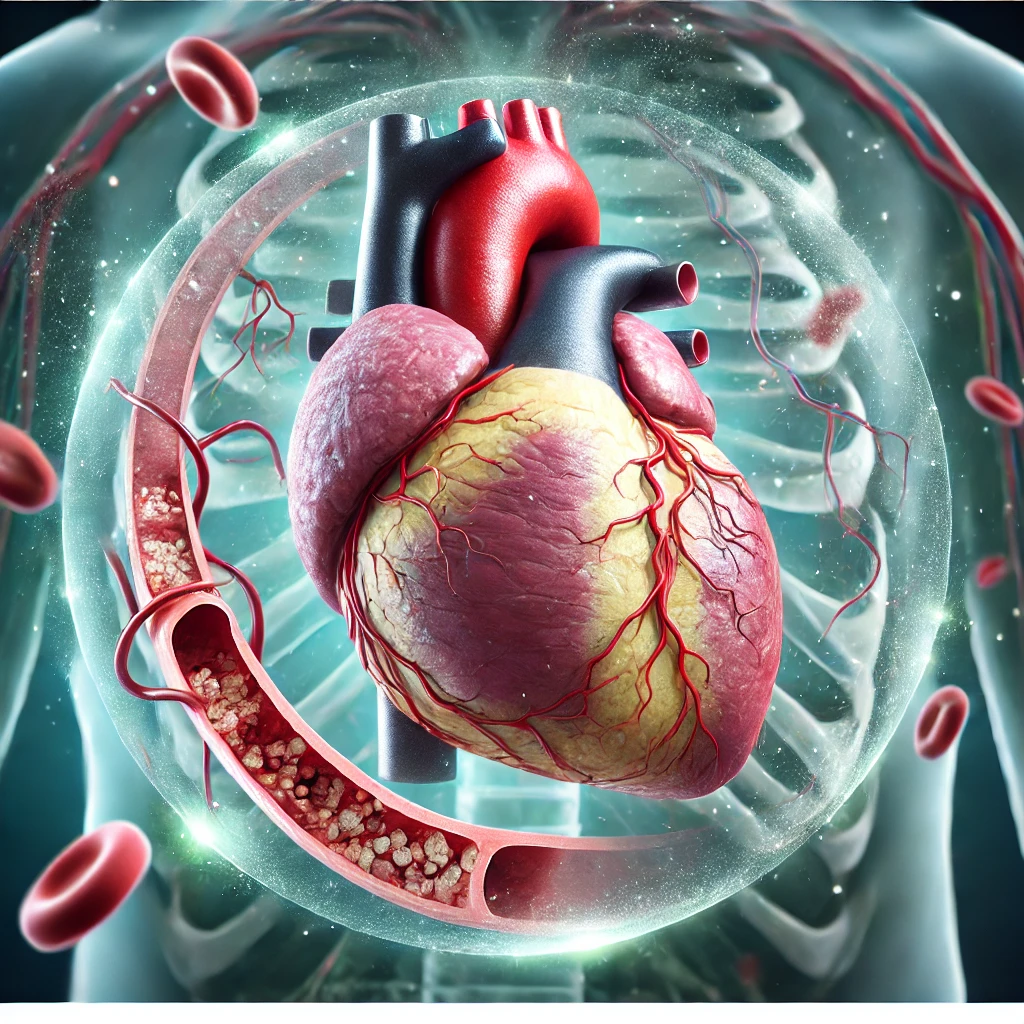
1. Heart Diseases
Obesity directly affects cardiovascular health, leading to:
- Increased inflammatory activity in the body.
- High levels of cholesterol and triglycerides, which cause arterial blockage.
- Increased risk of coronary artery disease, heart attacks, and strokes.
2. Type 2 Diabetes
Obesity is one of the main causes of type 2 diabetes, as:
- Accumulated fat leads to insulin resistance, making the body unable to use it effectively.
- This requires the pancreas to produce more insulin, leading to its exhaustion and loss of function over time.
3. High Cholesterol and Triglyceride Levels
- Excess fat accumulation in the body leads to increased levels of triglycerides and bad cholesterol in the blood.
- This raises the risk of heart disease and chronic pancreatitis.
4. High Blood Pressure
- With increased weight, the heart needs to pump more blood to nourish the body, leading to high blood pressure.
- Obesity can also lead to blood pressure regulation disorders due to hormonal and fluid imbalances within the body.
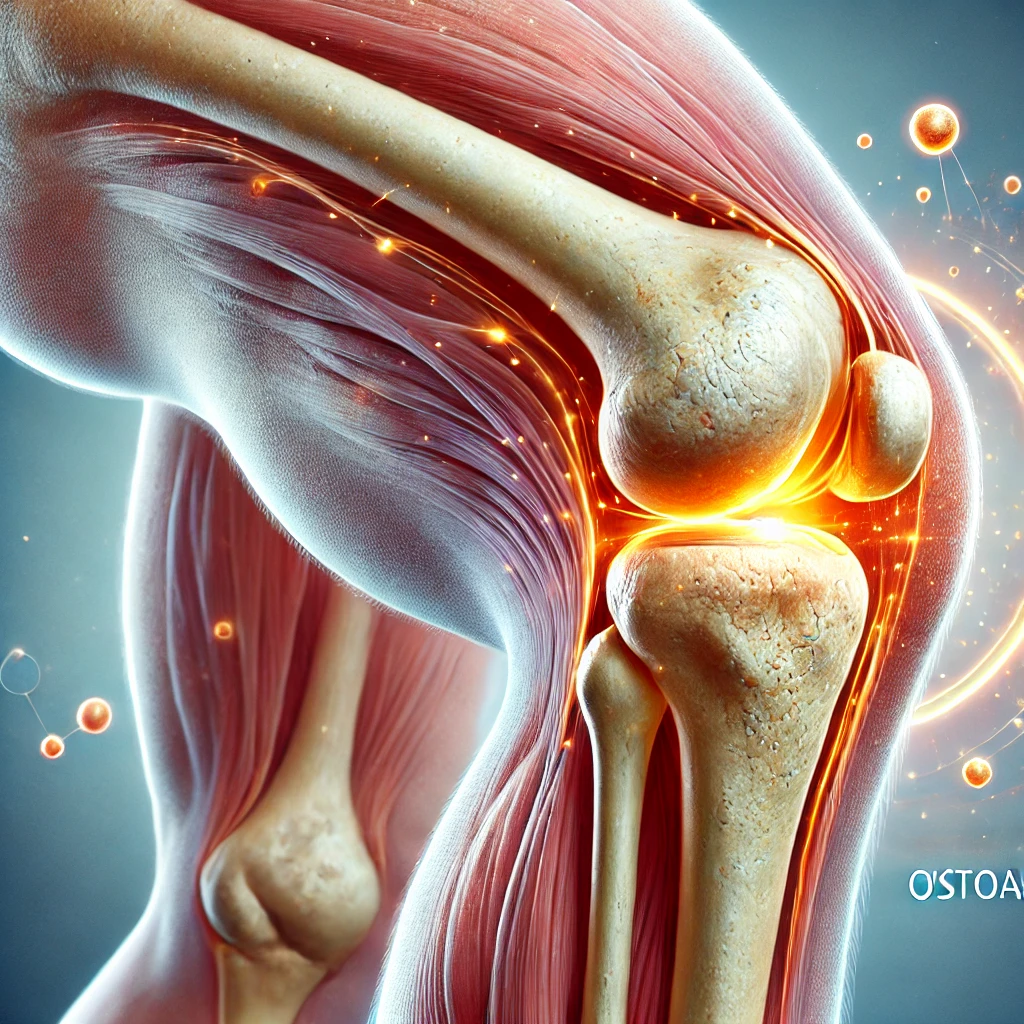
5. Arthritis and Bone Diseases
- Excess weight increases pressure on the joints, especially the knees and hips, leading to osteoarthritis.
- This disease causes severe pain, joint stiffness, and difficulty moving.
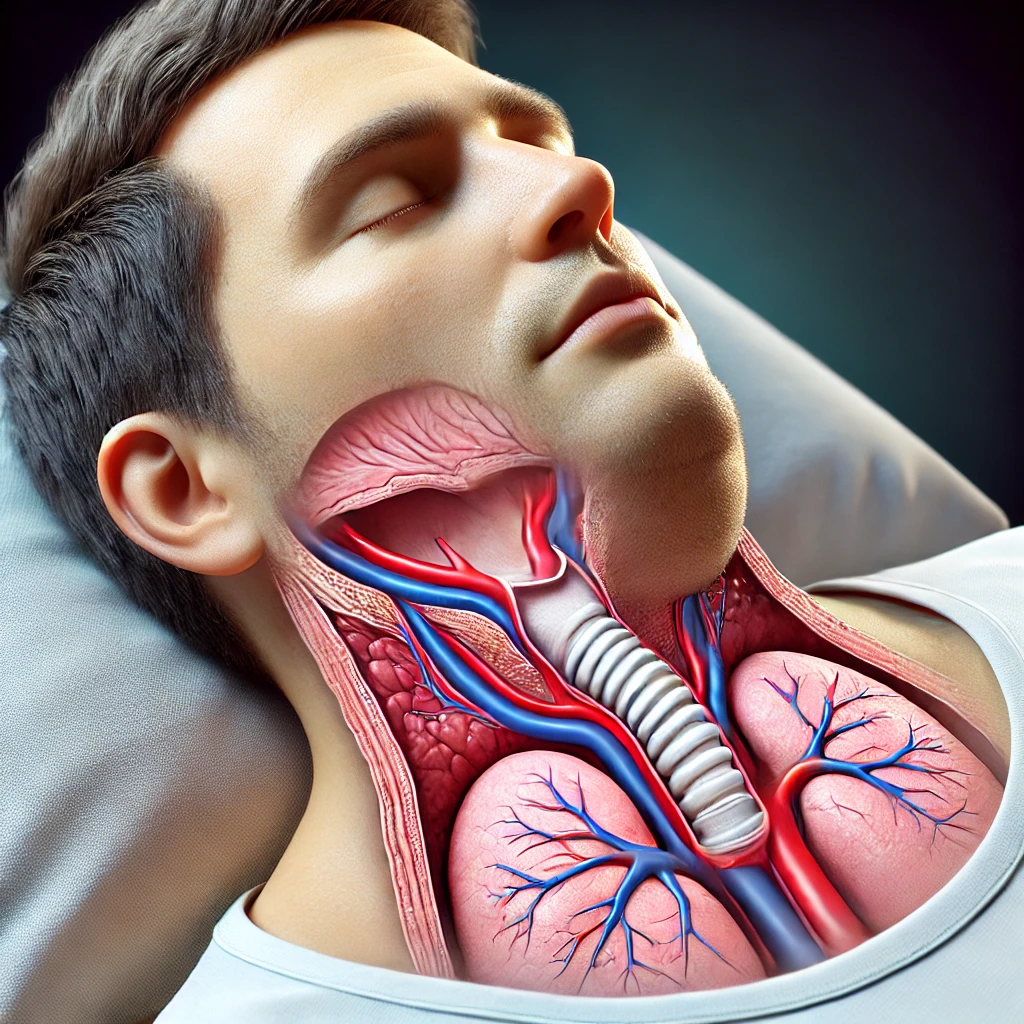
6. Sleep Apnea
- Excess fat in the neck narrows the airway, causing breathing to stop during sleep.
- This results in constant fatigue, loss of concentration, and an increased risk of high blood pressure and heart disease.
7. Psychological Disorders
Obesity is associated with many psychological problems, including:
- Depression: due to its impact on self-image and social perception.
- Anxiety: as a result of bullying and social discrimination.
- Eating disorders: such as bulimia nervosa and binge eating disorder.
- Low self-esteem: due to the physical and social effects of obesity.
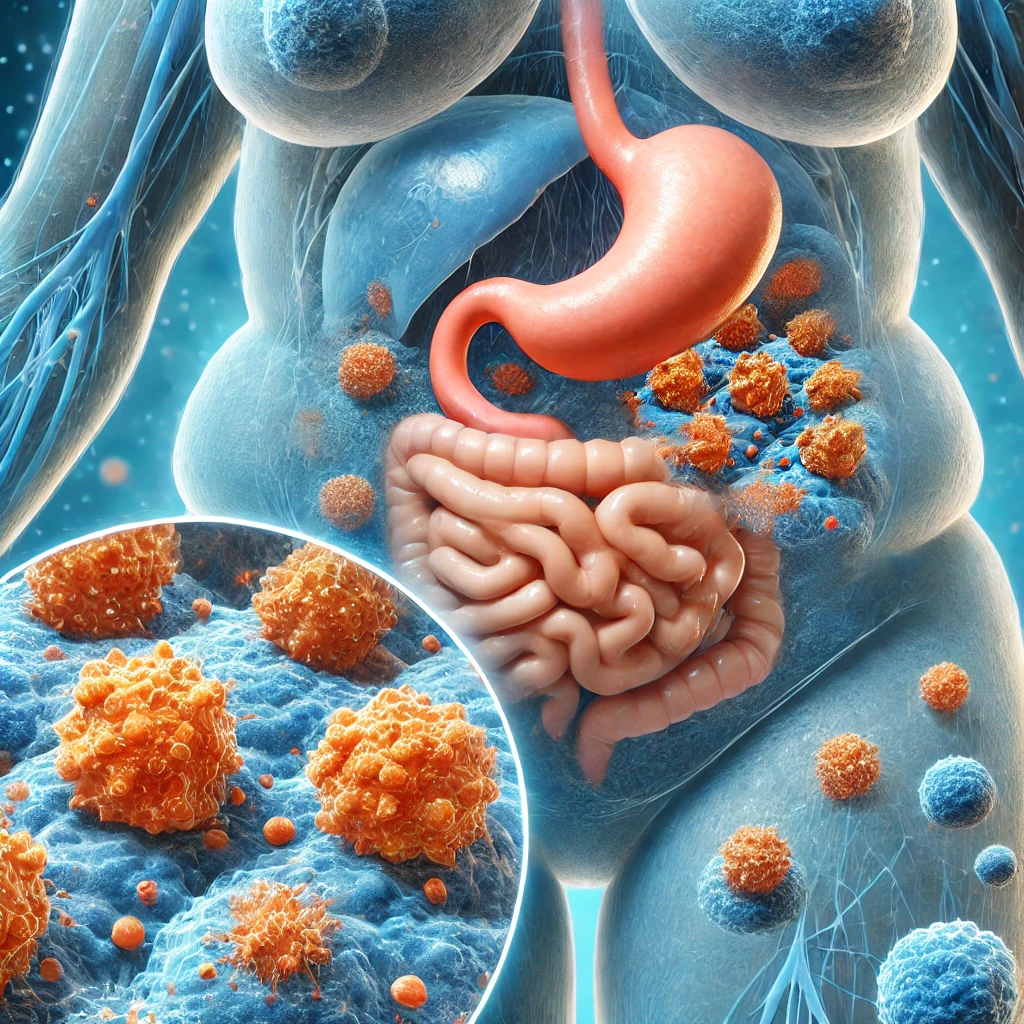
8. Certain Types of Cancer
- Obesity increases the risk of various types of cancer, such as breast, uterine, colon, and esophageal cancer.
- Excess fat affects hormone balance and increases chronic inflammation, contributing to the growth of cancer cells.
9. Gallbladder Diseases
- Obesity leads to high cholesterol levels in the blood, which increases the likelihood of gallstone formation.
- These gallstones can lead to acute inflammation and severe pain requiring medical intervention.
10. Non-Alcoholic Fatty Liver Disease
Obesity causes fat accumulation in the liver, which can lead to:
- Liver inflammation and cell damage over time.
- Increased risk of liver cirrhosis or liver failure.
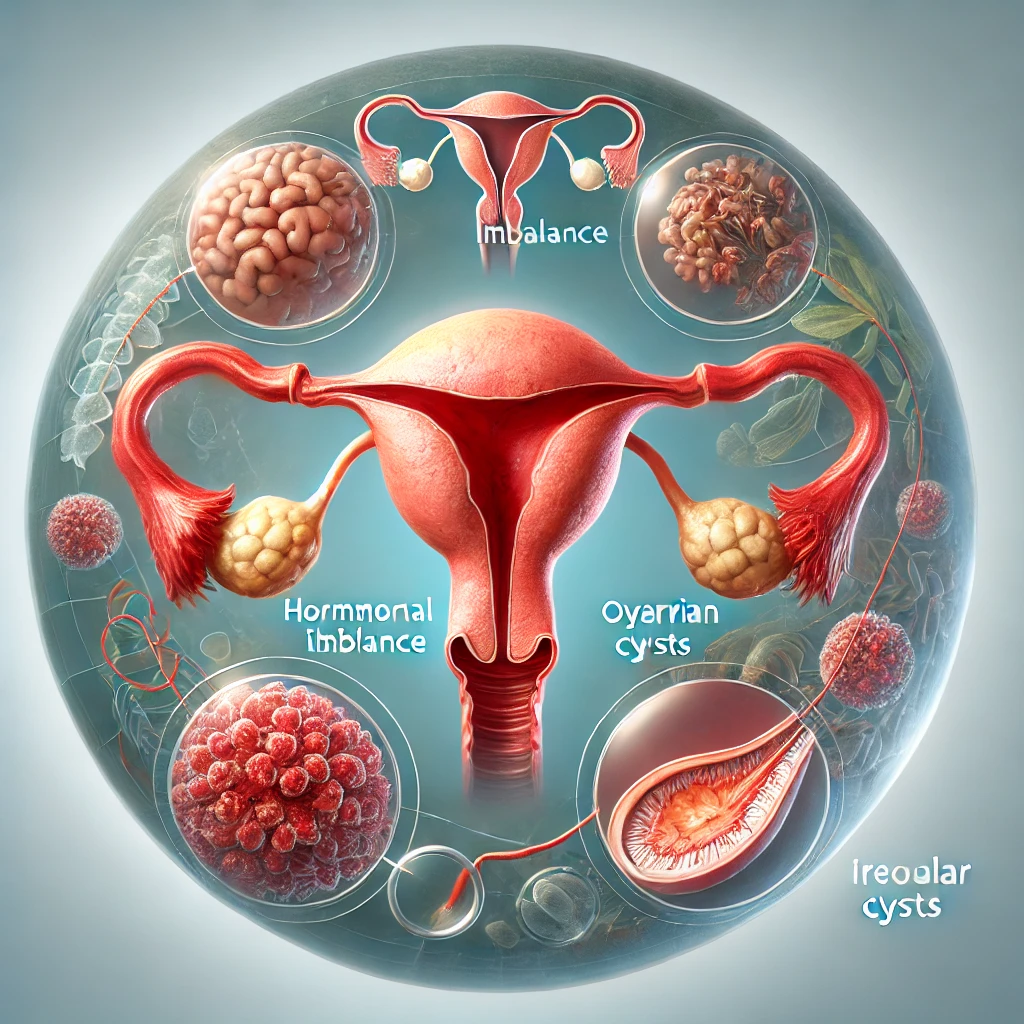
11. Gynecological Diseases and Infertility
- Obesity affects hormonal balance in women, leading to menstrual cycle irregularities and difficulty conceiving.
- It increases the risk of polycystic ovary syndrome (PCOS), which is a major cause of infertility in women.
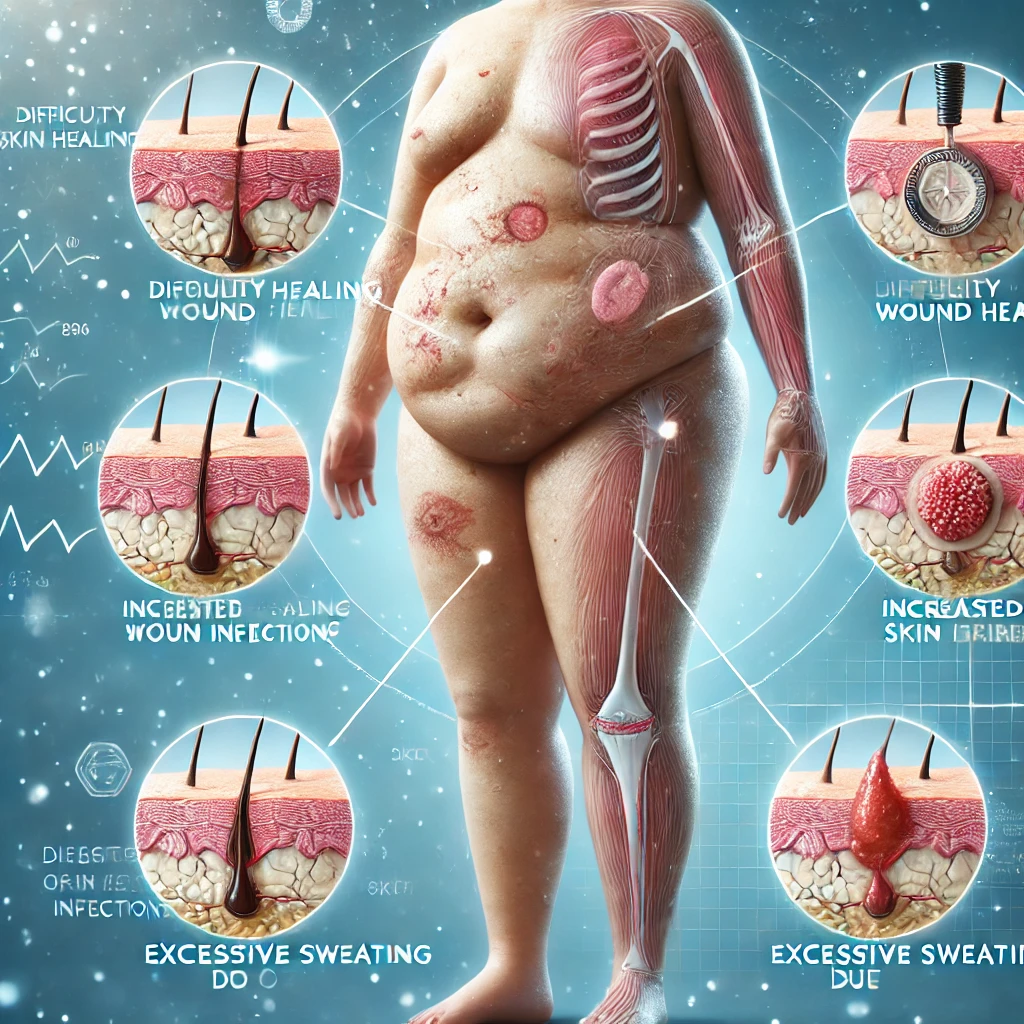
12. Skin Problems and Wound Healing
- Obesity affects blood circulation, leading to poor wound healing.
- It increases the risk of skin infections and fungal infections due to increased sweating and friction.
How to Prevent Obesity-Related Diseases
To reduce the risks of obesity-related diseases, it is recommended to:
✔ Follow a balanced diet rich in fruits, vegetables, and healthy proteins.
✔ Exercise regularly for 30-60 minutes daily.
✔ Avoid fast food and sugary drinks.
✔ Reduce stress and tension, and get enough sleep.
✔ Consult a doctor and undergo regular check-ups to detect any health problems early.
Best Ways to Lose Weight and Treat Obesity
🔹 Exercise: Helps increase fat burning and improve physical fitness.
🔹 Diets: Reducing unhealthy carbohydrates and fats helps in rapid weight loss.
🔹 Medications: Your doctor may recommend medications that help reduce appetite or burn fat.
🔹 Surgery: In cases of severe obesity, sleeve gastrectomy or gastric bypass can be resorted to as surgical solutions for weight loss.
Taj Clinic’s Obesity Treatment Services
At Taj Clinic, we offer the latest solutions for obesity treatment according to each patient’s condition, including:
✅ Comprehensive medical and nutritional consultations to determine the best weight loss methods.
✅ Customized dietary programs based on each individual’s needs.
✅ Advanced surgical procedures such as sleeve gastrectomy and gastric bypass using the latest medical technologies.
✅ Regular follow-up to ensure treatment success and achieve desired results.
📞 Contact us today to book a free consultation and achieve your dream of a healthy and harmonious body!