
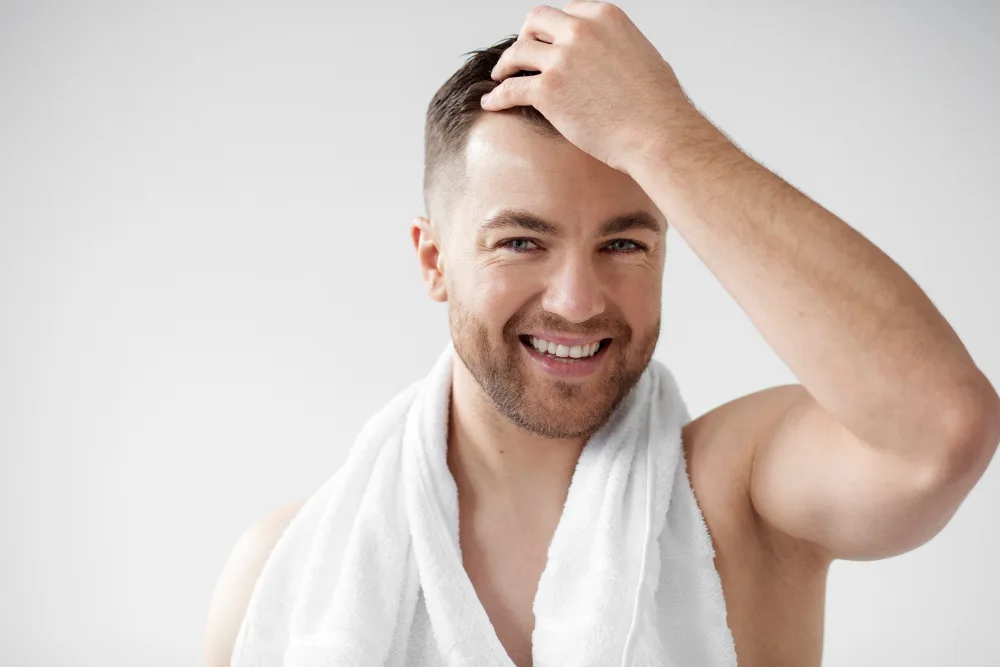
How long is the recovery period after hair transplantation?
Hair transplantation is an effective and common solution for individuals suffering from hair loss or baldness, as it helps restore a natural hair appearance and boost self-confidence. The recovery period after hair transplantation varies depending on several factors, such as the technique used, the condition of the scalp, the patient’s general health, and their adherence to post-operative care instructions.
Generally, the initial recovery phase takes between 10 days and two weeks. During this period, the patient may experience some natural symptoms such as scalp redness, swelling, edema, and itching, which can be alleviated with pain relievers and cold compresses.
As for new hair growth, it begins gradually after the procedure and takes 6 to 12 months to show clear results, while transplanted hair may require 18 months to become denser and more stable.
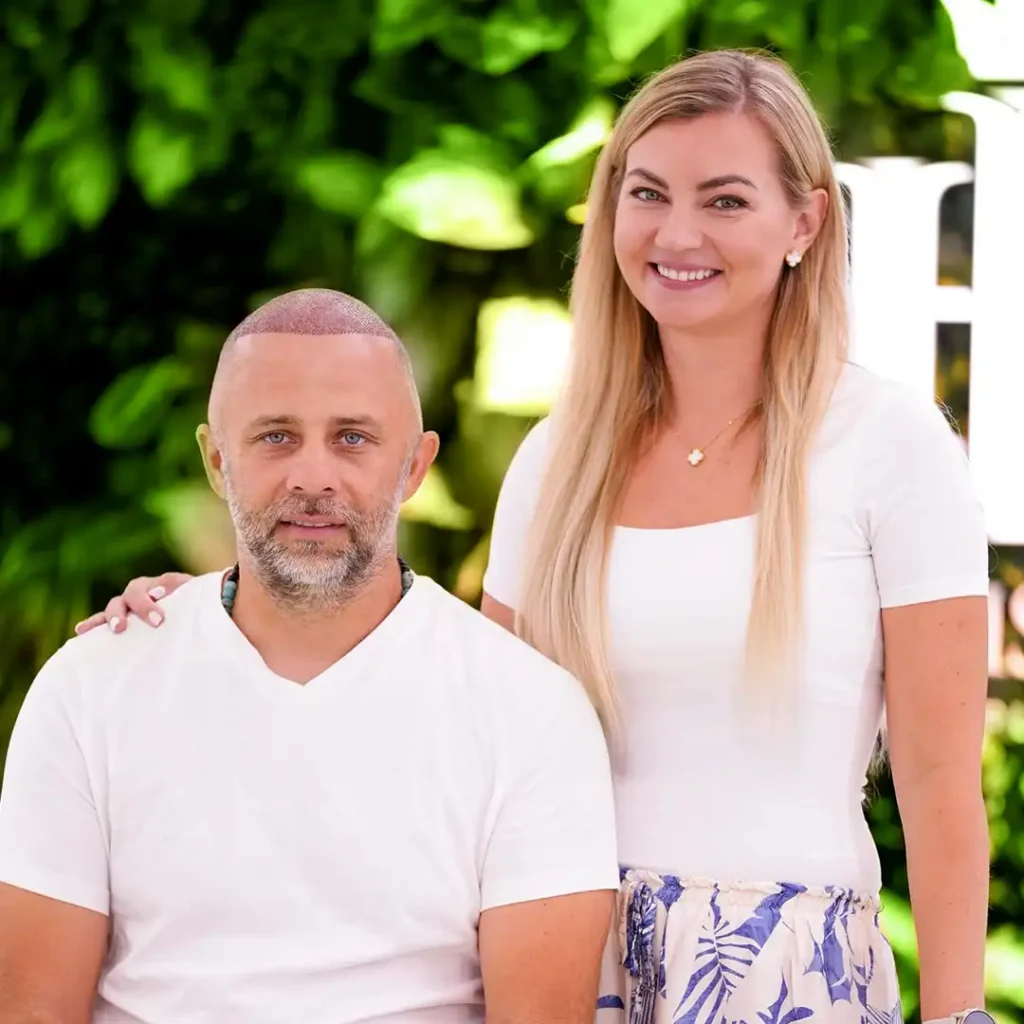
Stages of Recovery After Hair Transplantation
The recovery process after hair transplantation goes through several stages, as follows:
1. First Days (Day 1 – 7)
- The patient experiences redness and swelling in the scalp.
- They may feel some itching or mild pain.
- It is recommended to use cold compresses and pain relievers when needed.
- Avoid touching or scratching the transplanted area to protect the follicles.
2. First Week
- Side effects begin to subside, and bandages are removed.
- Itching may persist, but scratching the scalp should be avoided to protect it from damage.
- Adhere to the doctor’s instructions regarding hair washing after transplantation.
3. Following Weeks (First Month)
- Transplanted follicles begin to adapt to their new location.
- A natural and temporary shedding of transplanted hair occurs during this period, which is expected and no cause for concern.
- New hair prepares to grow again.
4. Subsequent Months (from Third to Sixth Month)
- New hair begins to grow gradually and becomes more noticeable.
- The length and density of the transplanted hair gradually increase until final results are achieved within 12 to 18 months.
Necessary Care After Hair Transplantation
Post-transplant hair care plays a crucial role in accelerating healing and achieving the best results, including:
1. Protecting the Transplanted Area
- Avoid touching or scratching the scalp.
- Use a soft pillow while sleeping to avoid pressure on the transplanted area.
- Avoid wearing tight hats in the first few days after the procedure.
2. Washing Hair Correctly
- Follow the doctor’s instructions regarding washing transplanted hair.
- It is preferable to use a gentle medical shampoo free of harsh chemicals.
- Avoid hot water and use lukewarm water when washing hair.
3. Avoiding Stress and Strain
- Stress negatively affects scalp health and may slow down the healing process.
- It is recommended to practice relaxation exercises such as walking or meditation.
4. Protection from Sun and Heat
- It is preferable to avoid direct sun exposure during the first few weeks after the procedure.
- Do not use a hair dryer at high temperatures.

Diet After Hair Transplantation
Nutrition plays a fundamental role in promoting hair growth and accelerating recovery. Therefore, it is recommended to follow a diet rich in essential vitamins and minerals, such as:
- Proteins: Red meat, fish, eggs, and dairy products.
- Fatty Acids (Omega-3): Nuts, fatty fish, olive oil.
- Vitamins and Minerals:
- Vitamin B to promote hair health.
- Iron and zinc to support and strengthen hair follicles.
- Antioxidants found in fruits and vegetables to protect the scalp.
✖ Avoid:
- Foods rich in hydrogenated fats.
- Fast food and foods rich in sugar.
- Carbonated drinks.
Medications and Shampoos After Hair Transplantation
Your doctor may recommend certain treatments to help stimulate hair growth, such as:
- Minoxidil
- A topical medication used to promote hair growth and stimulate follicles.
- It is advisable to consult a doctor before using it.
- Finasteride
- Helps reduce hair loss and is used in some cases.
- It is not recommended for use without a prescription.
- Gentle medical shampoo
- It is preferable to use types that contain natural ingredients and are free of harmful chemicals.
- In case of dandruff, a prescription anti-dandruff shampoo can be used.
Can the recovery period after hair transplantation be accelerated?
The speed of recovery depends on several factors, such as nutrition, health status, and adherence to post-transplant care instructions. The most important tips that help accelerate healing include:
- 🚫 Quitting smoking: as it reduces blood flow to the scalp, affecting the follicles.
- 💤 Getting enough sleep: Rest helps accelerate scalp healing.
- 🥗 Following a balanced diet: Consume foods rich in protein and vitamins.
- 😌 Reducing stress: as psychological stress can affect hair growth.
Hair Transplantation Services at Taj Clinic
At Taj Clinic, we offer hair transplantation services using the latest techniques, with continuous post-transplant follow-up to ensure the best results. Our specialized team is always available to answer your inquiries about hair transplantation, recovery stages, and transplanted hair care methods.
📞 Contact us now for a free consultation on hair transplantation!