What is meant by stubborn fat?
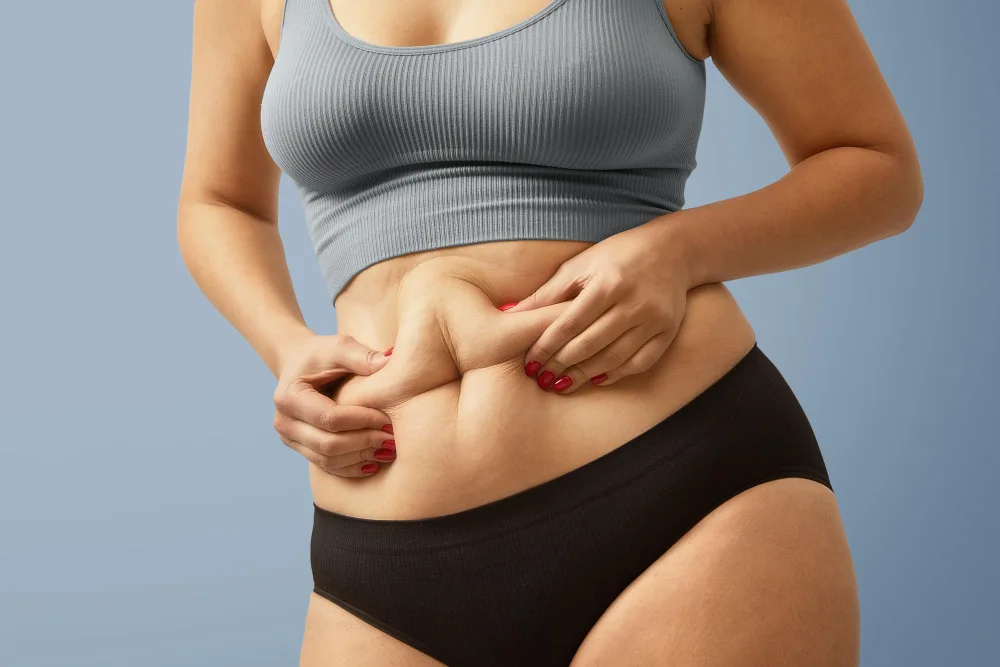
Stubborn fat is fat that accumulates in specific areas of the body, such as the abdomen, buttocks, thighs, and waist and is difficult to eliminate despite following diets and exercising. This is due to the nature of its cells, which lack receptors that promote fat burning, making it break down more slowly than regular fat.
Why does stubborn fat accumulate?
Several factors affect the accumulation of stubborn fat, most notably:
- Unhealthy eating habits, such as consuming foods high in sugars and hydrogenated fats.
- Lack of physical activity, which leads to fat accumulation instead of burning it.
- Hormones, especially in women, as estrogen plays a key role in storing fat in the lower body, while cortisol, the stress hormone, increases fat in the abdominal area.
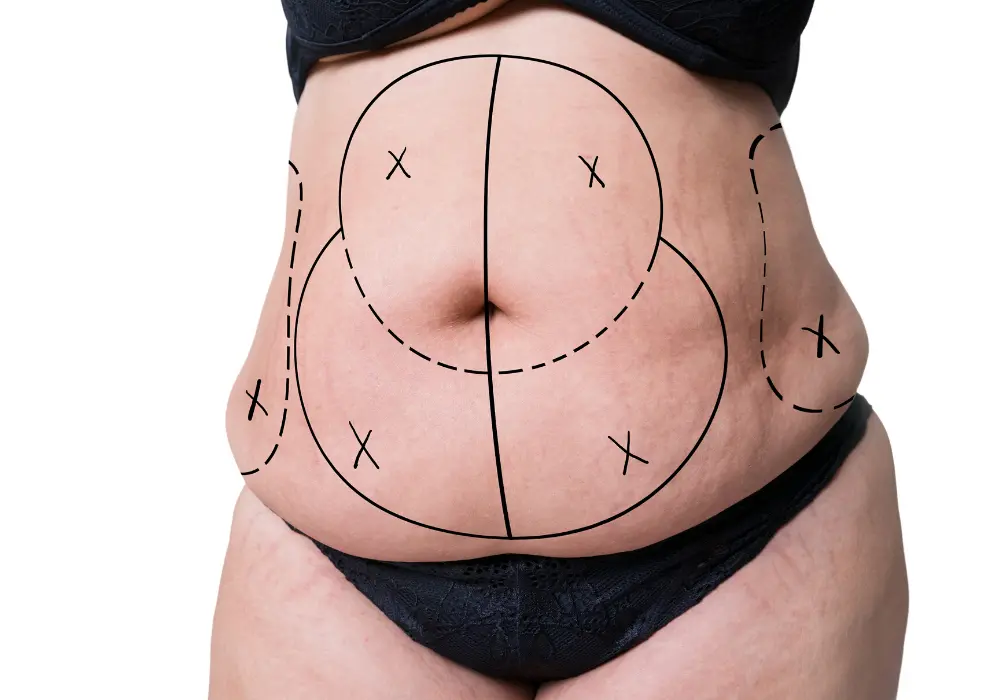
Areas where stubborn fat accumulates in the body
The areas where stubborn fat accumulates differ between men and women, but it is most often concentrated in:
- Abdomen and waist
- Buttocks and thighs
- Arms and shoulders
- Lower back
Harms of stubborn fat
Stubborn fat does not only affect appearance; it may also lead to health problems, including:
✔ Increased risk of chronic diseases, such as type 2 diabetes and heart disease.
✔ Hormonal imbalance, which affects blood insulin levels.
✔ Insulin resistance, which may contribute to the development of diabetes.
✔ Reduced self-confidence due to the difficulty of getting rid of it and its impact on body shape.
How can stubborn fat be eliminated?
Although burning this fat is difficult, it can be eliminated by following the right methods, most importantly:

1. Improving your diet
Following a balanced diet is the key to eliminating stubborn fat, and it should include:
- Reducing sugar and simple carbohydrate intake such as white bread and rice.
- Relying on complex carbohydrates such as oats and whole-grain bread.
- Increasing protein intake, as it helps increase satiety and speed up fat burning.
- Avoiding hydrogenated fats and choosing healthy fat sources such as olive oil and nuts.
2. Exercising regularly
You cannot rely on diet alone without exercise, as physical activity helps speed up fat burning, especially stubborn fat. It is recommended to do:
- Aerobic exercise (cardio), such as brisk walking, running, and cycling.
- Strength training, such as weightlifting, to support muscle building and increase metabolic rate.
- HIIT (high-intensity interval training), which helps stimulate the body to burn fat faster.
3. Reducing stress and controlling cortisol levels
Since the stress hormone cortisol contributes to fat accumulation, reducing stress through meditation, yoga, or improving sleep quality may help reduce fat storage in the body.
Can stubborn fat be eliminated in other ways?
In addition to diet and exercise, other methods may help eliminate stubborn fat, including:
✔ Liposuction: a medical procedure in which accumulated fat is removed from specific areas of the body.
✔ Fat-dissolving injections: a non-surgical technique that works to dissolve fat in targeted areas.
Conclusion
Getting rid of stubborn fat is not impossible, but it requires a commitment to lifestyle change through following a healthy diet, exercising regularly, and managing stress levels . In some cases, cosmetic solutions can be used to achieve faster results, but the best approach remains gradual lifestyle change to ensure sustainable results.