Hair loss in women is a common issue that affects self-confidence and overall appearance. At Taj Clinic, we understand that hair loss is not merely a cosmetic concern; it may be an indicator of an underlying health condition that requires special attention. What are the real causes behind hair loss, and how can it be reduced while restoring hair health and density?
Understanding the Hair Life Cycle
Before addressing the causes, it is essential to understand the hair life cycle, which goes through four main stages:
- Anagen phase: The active phase in which hair grows rapidly and lasts from two to six years.
- Catagen phase: A transitional phase that lasts a few weeks, during which hair follicles stop growing.
- Telogen phase: Hair remains in place for two to four months before it begins to shed.
- Exogen phase: Shedding of old hair and its replacement with new hair.
Causes of Hair Loss in Women
1. Genetic factors
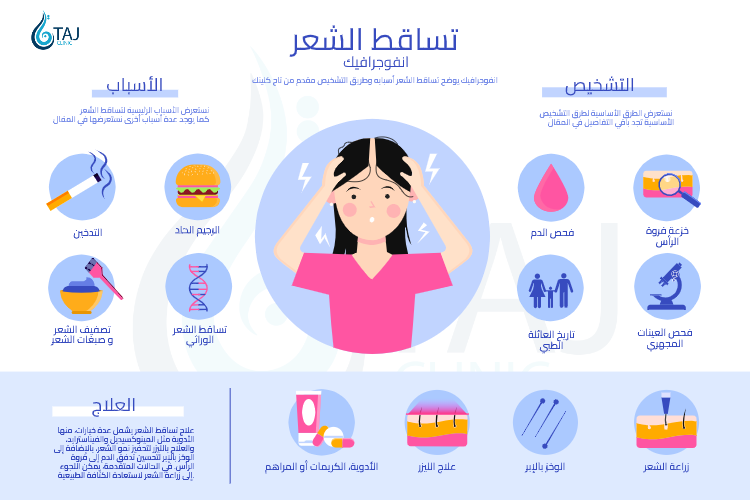
Androgenetic alopecia is known to be the most common cause of hereditary hair loss. This occurs due to the effect of genes on the sensitivity of hair follicles to the DHT hormone, leading to weakening of the hair and gradual shedding.
2. Hormonal changes
Hormones play a key role in hair health. An imbalance between female hormones (estrogen) and male hormones (androgens) may lead to hair loss, as in polycystic ovary syndrome, or after childbirth and menopause.
3. Thyroid disorders
An underactive or overactive thyroid disrupts metabolism, which affects hair growth and causes hair loss.
4. Poor nutrition
A deficiency in essential nutrients such as iron, zinc, biotin, and protein can affect hair follicles, leading to weakness and shedding.
5. Skin and immune conditions
- Alopecia areata: An immune disorder in which the immune system attacks hair follicles.
- Psoriasis and scalp inflammation: These can damage the scalp and cause hair loss.
- Gastrointestinal diseases: Such as Crohn’s disease and ulcerative colitis, which affect the absorption of nutrients important for hair growth.
6. Environmental factors and stress
- Exposure to environmental pollution and harmful chemicals damages hair follicles.
- Chronic stress and emotional trauma may disrupt the hair growth cycle and lead to noticeable shedding.
Hair Loss Symptoms That Require Attention
- Noticeable hair thinning.
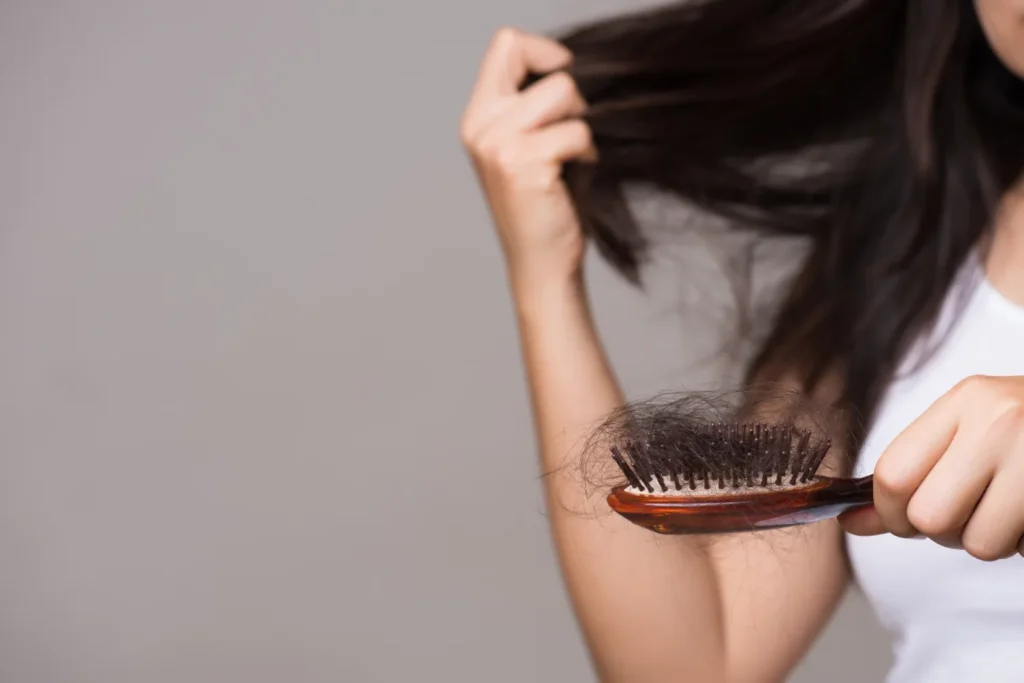
- Excessive hair shedding during brushing or washing.
- The appearance of bald patches or a receding hairline.
- A change in hair texture, becoming rougher or drier.
Medical Tests to Diagnose Hair Loss
At Taj Clinic, we recommend the following tests to accurately determine the cause of hair loss:
- Hormone tests.
- Testing iron and zinc levels.
- The scalp examination and the hair pull test (Pull Test).
Hair Loss Treatment at Taj Clinic
At Taj Clinic, we offer you comprehensive solutions to treat hair loss, including:
1. Medical treatments
- Minoxidil: A powerful hair-growth stimulant that works by activating blood circulation in the scalp.
- Laser therapy: Used to stimulate hair follicles and promote hair growth.
2. Natural treatments and dietary supplements
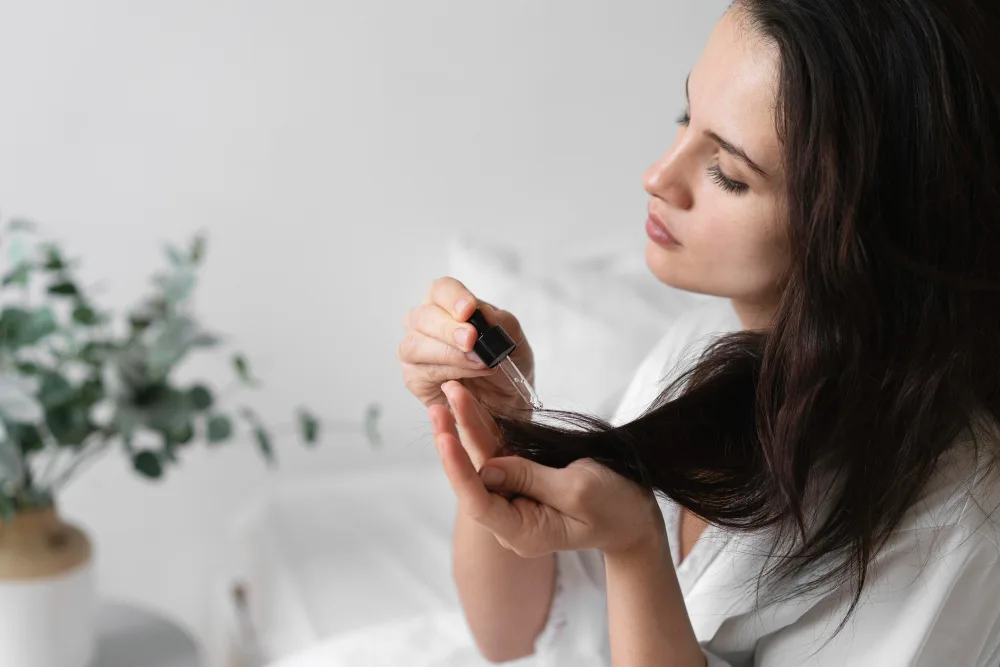
- Natural oils such as coconut oil and castor oil.
- Dietary supplements containing biotin and omega-3 to support hair health.
- Nourishing natural masks such as honey and avocado.
3. Hair transplantation at Taj Clinic
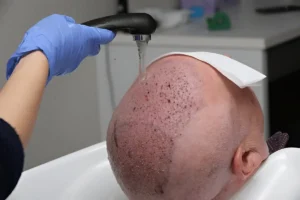
In advanced cases that do not respond to other treatments, hair transplantation is the most effective solution. We use the latest techniques to ensure natural results and high density for transplanted hair.
Tips for Hair Care and Maintaining Hair Health
- Moisturize your hair regularly using natural masks and oils.
- Massage the scalp to stimulate blood circulation.
- Avoid excessive heat from hair dryers and styling tools.
- Eat a balanced diet rich in protein and vitamins.
- Sleep on a silk pillowcase to reduce hair breakage.
Conclusion
There are many causes of hair loss in women, ranging from genetic and hormonal factors to poor nutrition and stress. At Taj Clinic, we help you understand the underlying causes of your hair loss and provide the best medical and natural solutions to restore the beauty of your hair and your self-confidence. Book your free consultation now to receive a personalized treatment plan.