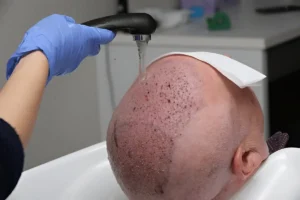

Can transplanted hair growth be accelerated?
The normal timeline for transplanted hair growth
Hair transplantation is a common cosmetic procedure for men and women experiencing hair loss, whether due to genetic factors, hormonal changes, aging, or even the effects of certain medications and illnesses. The procedure involves transferring hair follicles from a strong donor area (often the back or sides of the scalp) to areas affected by hair loss.
After a hair transplant, actual growth of the transplanted hair typically begins within about three months, but it progresses in stages until the final result is achieved, which may take 12 to 18 months. During the first weeks, the transplanted hair may shed naturally—known as post-transplant shock loss—but it later regrows in a healthy and lasting way.
Causes of delayed transplanted hair growth
Although initial shedding of transplanted hair is expected, there are factors that may negatively affect how quickly it grows, including:
- Scalp condition: Inflammation or irritation of the scalp may affect the transplanted follicles, leading to delayed growth or even loss of some follicles.
- Smoking: It reduces blood flow to the scalp, weakening nourishment to the transplanted follicles and delaying their growth.
- Infection: Developing an infection after the transplant may delay scalp healing, which affects the growth process.
- Poor nutrition: Not getting essential vitamins and minerals such as iron, zinc, and vitamin D may slow hair growth.
- Inadequate care for transplanted hair: Neglecting medical aftercare instructions may weaken growth.
- Age: The older a person is, the slower transplanted hair tends to grow.
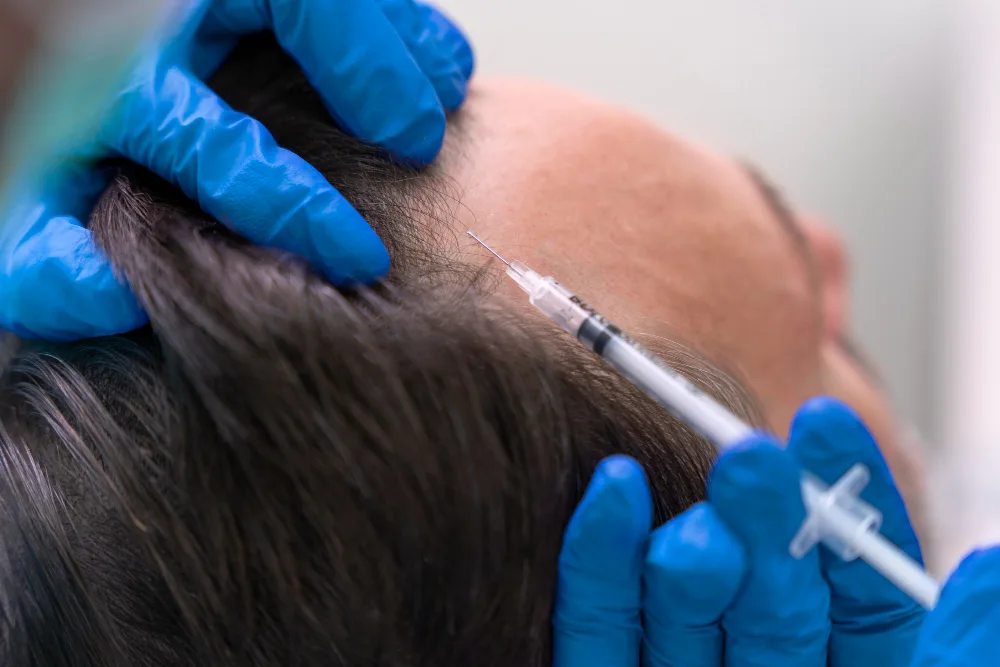
What should you do if transplanted hair growth is delayed?
If you notice that transplanted hair is growing more slowly than expected, it is recommended to follow these steps:
- Consult your doctor: To obtain an accurate assessment and determine whether there is an issue that requires treatment.
- Have tests done: A blood test to check for vitamin deficiencies or other issues that may affect hair growth.
- Follow supportive treatment: The doctor may recommend treatments such as mesotherapy, platelet-rich plasma (PRP), or topical medications that stimulate hair growth.
- Improve personal care: This includes maintaining a healthy diet, getting enough sleep, reducing stress, and avoiding smoking.
Can transplanted hair growth be accelerated?
Yes, there are measures that help stimulate and accelerate transplanted hair growth, including:
- Maintaining scalp health: By using a suitable shampoo free of harsh chemicals, and avoiding washing the hair with hot water.
- Following a healthy diet: Eating foods rich in protein and vitamins (especially biotin, vitamin C, and iron), and drinking enough water daily.
- Reducing stress: Stress affects scalp health and may cause hair loss, so it is preferable to practice relaxation techniques such as yoga or walking.
- Avoiding smoking and alcohol: Both negatively affect blood flow to the scalp, which may slow hair growth.
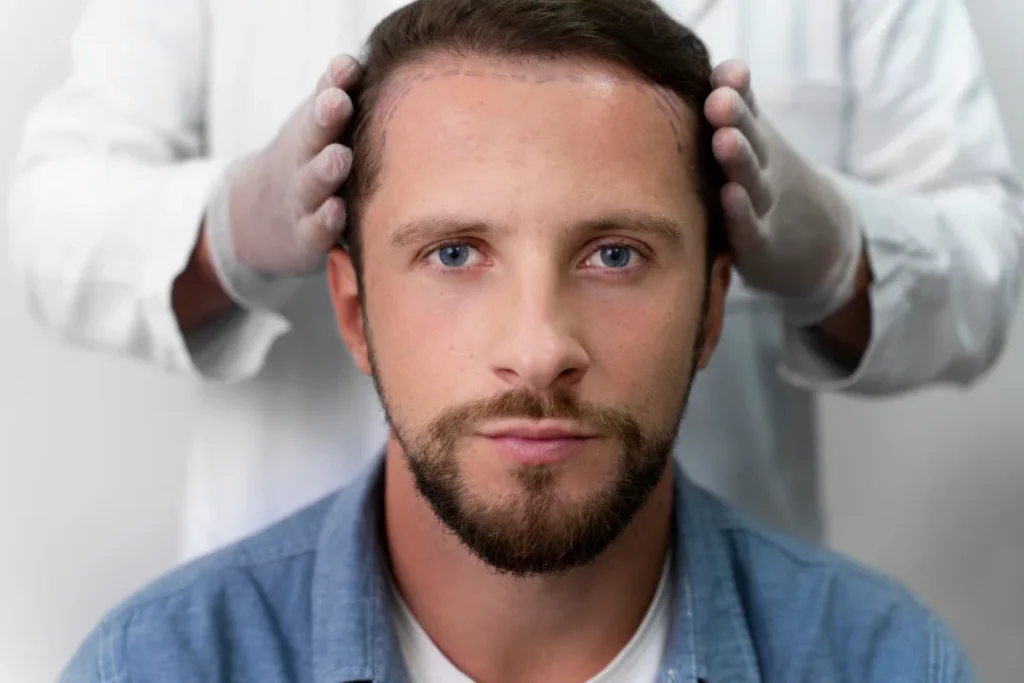
The best medical methods to accelerate transplanted hair growth
There are medical treatments that can enhance the growth of transplanted hair follicles, such as:
- PRP injections (PRP)
This technique involves drawing a blood sample from the patient, separating the platelet-rich plasma, and injecting it back into the scalp. This improves follicle nourishment and stimulates faster growth of transplanted hair. - Mesotherapy treatment
A combination of vitamins, minerals, and hyaluronic acid is injected into the scalp, enhancing follicle nourishment and stimulating their activity. - Taking vitamin supplements
Vitamins such as biotin, zinc, vitamin D, and iron help speed up the growth process and improve the density of transplanted hair. - Low-level laser therapy (LLLT)
Laser therapy stimulates the scalp and increases blood flow to the follicles, helping activate them and accelerate hair growth.
Conclusion
Transplanted hair grows gradually after the procedure and requires good care and a healthy lifestyle to ensure the best results. If growth is delayed, it is best to consult a doctor to identify the cause and take the necessary steps. Treatments such as PRP, laser therapy, and mesotherapy can also be used to accelerate hair growth and achieve satisfactory results in a shorter time.