
Hair transplantation is one of the most effective solutions for treating hair loss and restoring natural density. However, the success of the procedure depends on several factors, most notably the physician’s skill and the clinic’s experience, as well as the patient’s adherence to post-transplant care instructions. At Taj Clinic, we are committed to providing an integrated medical environment to ensure the highest success rates, as our team combines expertise with modern techniques to help patients achieve the best results.
In this article, we will discuss the hair transplant success rate, the signs that indicate success, and the most important guidelines to avoid failure.
What is the hair transplant success rate?
No cosmetic procedure can be guaranteed to succeed 100%, and hair transplantation is no exception. However, when choosing a reputable clinic—where the transplant is performed by specialist physicians using the latest techniques—the success rate can reach 95–100%, especially if the patient follows the post-procedure instructions.
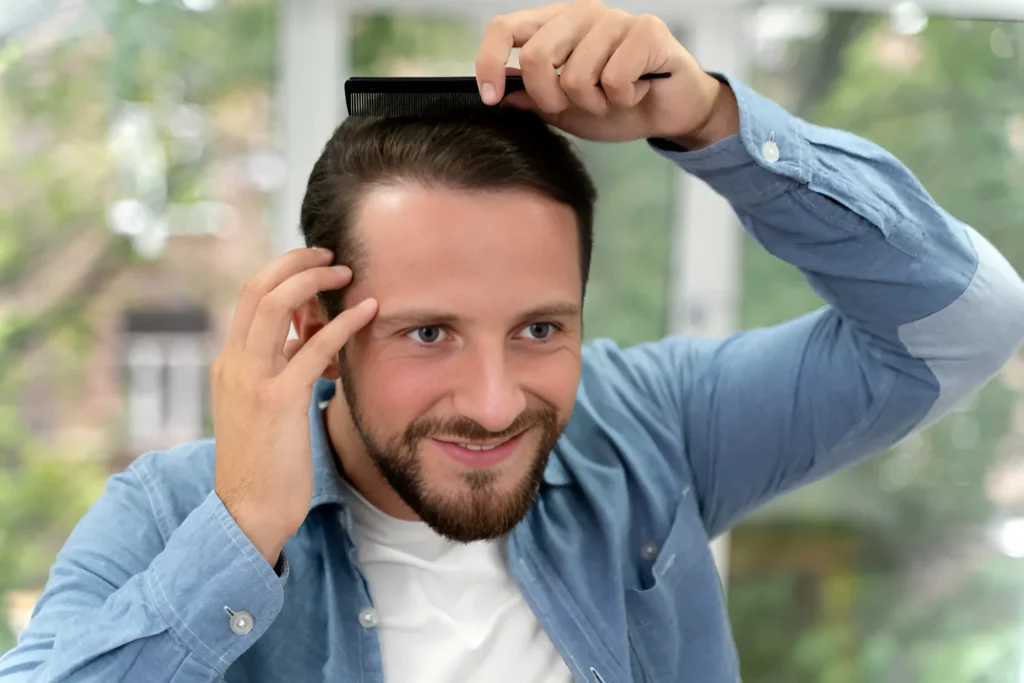
Signs of a successful hair transplant
To assess how successful a hair transplant has been, there are several signs to look for:
- Shedding of transplanted hair: About two weeks after the transplant, the transplanted hair begins to shed. This is normal and indicates the procedure was successful.
- Hair growth cycle: Hair growth temporarily stops after the transplant, then starts again after 3–4 months, while final density is reached after 12–18 months.
- No infections or complications: Proper aftercare helps reduce the likelihood of infection or inflammation, which contributes to the success of the procedure.
Factors affecting hair transplant success
1. Choosing the clinic and physician
The physician’s skill is one of the most important factors affecting transplant success. At Taj Clinic, each case is handled with precision—from diagnosing the main cause of hair loss, to selecting the appropriate technique, to performing the procedure to the highest standards.
2. Post-procedure care
Transplanted hair follicles are like seeds that need the right environment to grow. Therefore, it is essential to follow post-procedure care instructions, such as:
- Taking dietary supplements: It is recommended to take vitamins and supplements that support hair growth, according to the physician’s recommendations.
- Undergoing growth-stimulation treatments: Such as mesotherapy, platelet-rich plasma (PRP), and carboxytherapy, as these treatments nourish and strengthen the new follicles.
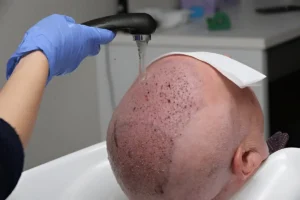
- Avoid washing the hair immediately: Hair should not be washed during the first 48 hours after the transplant; afterward, special cleansers are used gently.
- Following a healthy diet: Proper nutrition promotes hair growth and improves outcomes.
Hair transplant failure rate
Although the failure rate is low, it increases when medical instructions are not followed after the transplant. Factors that may lead to transplant failure include:
- Neglecting post-procedure care, such as washing the hair incorrectly or direct sun exposure.
- Instability of the transplanted follicles due to pressure on the scalp or scratching the transplanted area.
- Choosing an unqualified physician, which leads to poor graft distribution or implantation at inappropriate depths.

Signs of hair transplant failure
If the transplant does not achieve the expected results, it may be due to one of the following reasons:
- No new hair growth after 6 months have passed since the procedure.
- Inflammation or necrosis in the transplanted areas.
- Complete loss of the transplanted follicles without any new growth.
At Taj Clinic, we ensure that patients receive the necessary follow-up after transplantation, and we provide solutions in the event of any complications to ensure the best results.
Hair transplant success in men and women
Success rate in men
Hair transplantation is more common in men, and its success depends on how well the patient follows post-transplant instructions. With adherence to the guidelines, the likelihood of success is very high.
Success rate in women
The success rate in women varies depending on the cause of hair loss. If the cause is due to hormonal imbalances, it is essential to address the issue before transplantation to ensure the transplanted hair does not shed later.
Conclusion
Hair transplantation is considered an effective solution for treating baldness, but its success depends on several factors, including choosing a reputable clinic such as Taj Clinic and the patient’s adherence to post-procedure instructions. Over time, positive results indicating a successful transplant can be observed, as hair reaches its final density within one year at the latest.
If you are considering restoring your hair, do not hesitate to contact the Taj Clinic team to book a free consultation and receive the best hair transplant solutions.