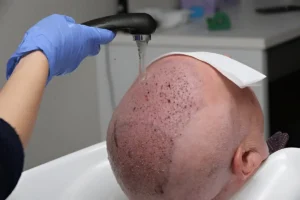
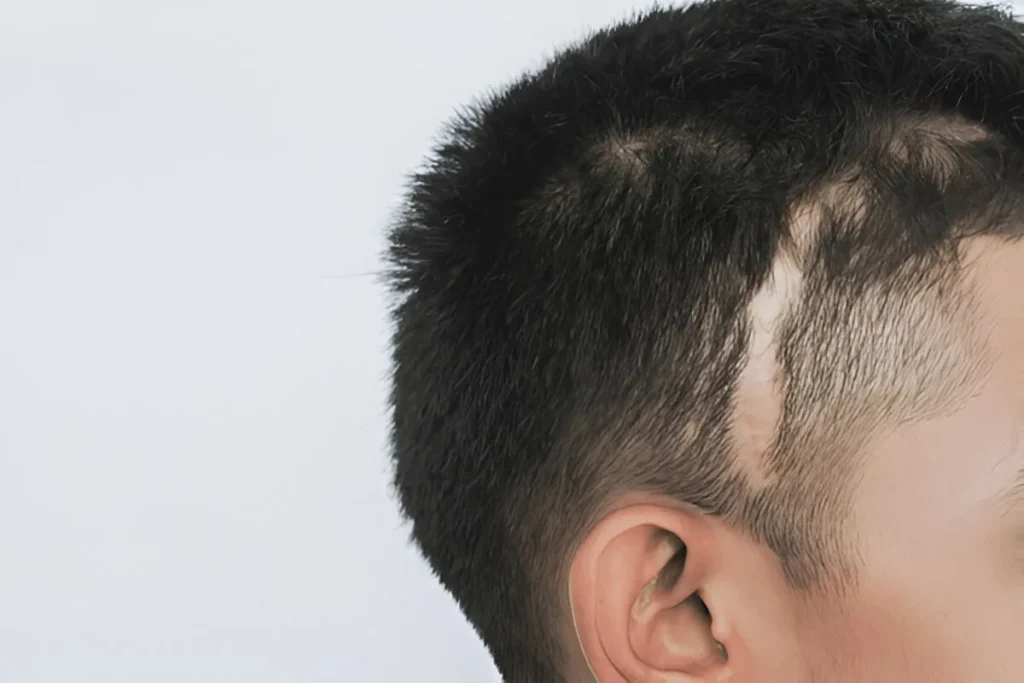
Cosmetic medicine has advanced significantly, making it possible to transplant hair in areas affected by wounds, burns, and scars, regardless of their causes. These developments have helped many people around the world improve their psychological well-being and restore their self-confidence, especially those who have lost their hair due to accidents or injuries. However, the mechanism of hair transplantation in scarred areas differs from transplantation in cases of natural baldness and requires precise techniques to achieve the best results.
Can Hair Be Transplanted in Areas of Scars and Burns?
Typically, hair does not grow in areas affected by wounds or burns due to damage to the hair follicles and roots resulting from the injury those areas sustained. This leads to the appearance of permanent bald patches. However, with modern techniques, it has become possible to transplant hair in these areas and restore a natural appearance.
Hair transplantation in scarred and wounded areas is not limited to the scalp alone; it can also be performed on facial areas such as the eyebrows, beard, and mustache, providing a more harmonious and natural appearance.
Conditions for Hair Transplantation in Scarred Areas
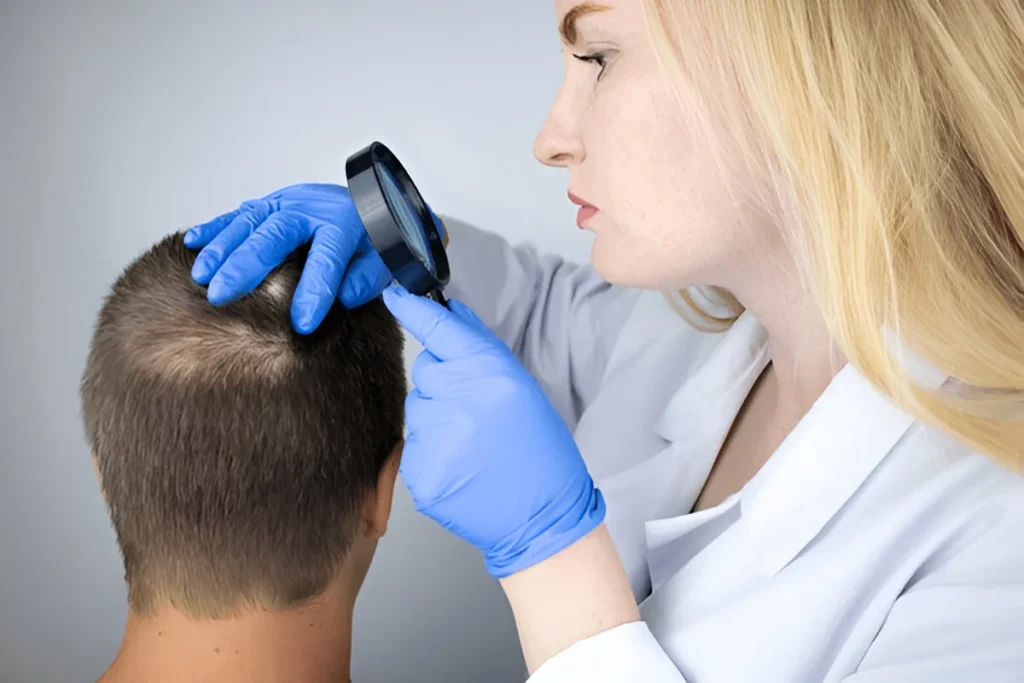
To ensure the success of the procedure, certain conditions must be met in the affected area, including:
- The scar should not be too large to be covered by hair transplantation.
- The wound must be completely healed to avoid any complications during transplantation.
- There should be no scalp conditions that may affect the success of the transplant.
- A sufficient number of follicles must be available in the donor area for use in transplantation.
Advantages of Hair Transplantation in Scarred and Burned Areas
This procedure is an effective solution for restoring patients’ natural appearance, offering many benefits, including:
- Boosting self-confidence after restoring hair in the affected area.
- Concealing the effects of wounds and scars, thereby improving external appearance.
- Achieving completely natural results without the need for additional procedures.
- A short recovery period not exceeding three days, after which daily activities can be resumed.
How Is Hair Transplantation Performed in Scarred Areas?
The process of hair transplantation in scarred areas is similar to traditional hair transplantation, where the physician extracts follicles from the donor area and transplants them into the affected area, helping to revive blood vessels at the scar site and promote new hair growth.
However, the fundamental difference lies in the fact that hair transplantation in scarred areas requires higher precision and professionalism, because the affected area is more sensitive than others, necessitating care during the extraction and transplantation of follicles to avoid any complications.
Best Techniques Used in Hair Transplantation for Scarred Areas
There is no single technique that is best for all cases, as the choice of the appropriate method depends on the nature and location of the scar, but the most common techniques include:
- Direct Hair Implantation (DHI) using Choi pens – This technique is used to provide higher precision and reduce recovery time.
- Follicular Unit Extraction (FUE) – Considered one of the most common methods and suitable for various types of scars.
- Percutaneous technique – Helps transplant follicles at an appropriate angle to achieve a natural appearance.
After Hair Transplantation in Scarred and Burned Areas
To ensure the success of the procedure and obtain the best results, the physician’s instructions must be followed, which include:
- Avoid touching or scratching the transplanted area to prevent damage to the new follicles.
- Refrain from washing or styling the hair for at least three weeks after the procedure.
- Take prescribed medications and antibiotics to ensure rapid recovery.
- Wear loose clothing and avoid placing any covering on the head in the first days after the procedure.
What Is the Cost of Hair Transplantation in Scarred and Burned Areas?
The cost of hair transplantation varies based on several factors, such as the country where the procedure is performed, the cosmetic center, and the technique used. A fixed price cannot be determined, as the case is evaluated by the specialist physician, and then the cost is determined according to the complexity of the case and the number of follicles required.
Frequently Asked Questions About Hair Transplantation in Scarred Areas
1. Does Hair Grow Again in Scarred Areas?
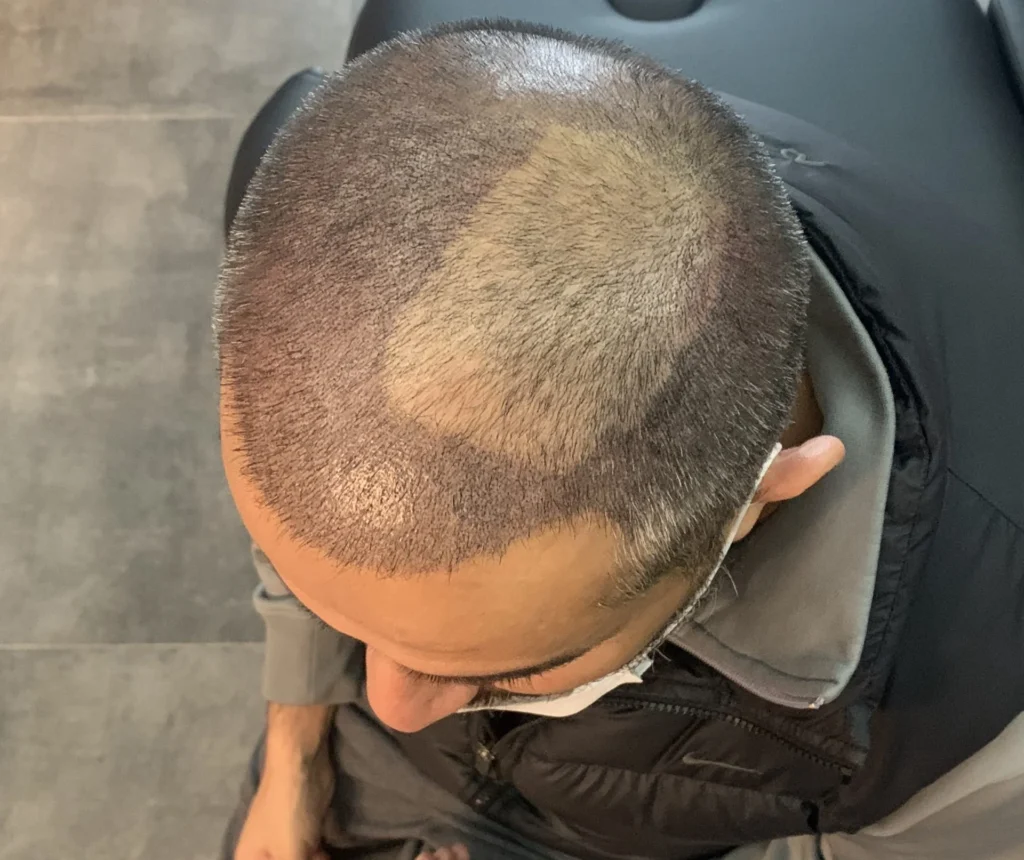
This depends on the depth of the wound and the extent of damage to the hair follicles. If the wound is superficial, hair may grow back naturally. However, if the wound is deep and has caused follicle damage, hair will not grow naturally except through transplantation.
2. How Long Does It Take for Hair to Grow After Transplantation in Scarred Areas?
The time for results to appear varies from person to person, but typically transplanted hair begins to grow between 6 months and one year after the procedure.
3. What Is the Success Rate of Hair Transplantation in Scarred Areas?
The success rate is very high, with studies confirming that approximately 80% of individuals who underwent this procedure achieved satisfactory results, with natural and dense hair growth in areas that were previously damaged.
Conclusion
There is no longer any need to feel embarrassed because of scars or burns that have affected your appearance, as it has become possible to restore your natural look through hair transplantation in scarred and wounded areas with Taj Clinic. Regain your self-confidence and begin your journey toward a more beautiful and confident appearance.