
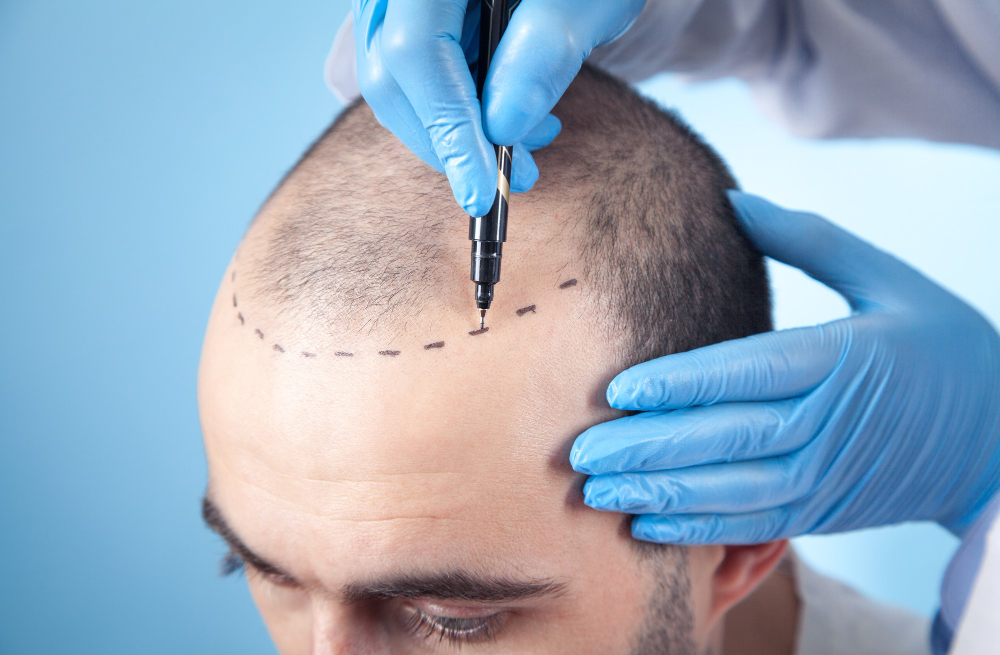
Description Hair transplantation using FUE technique
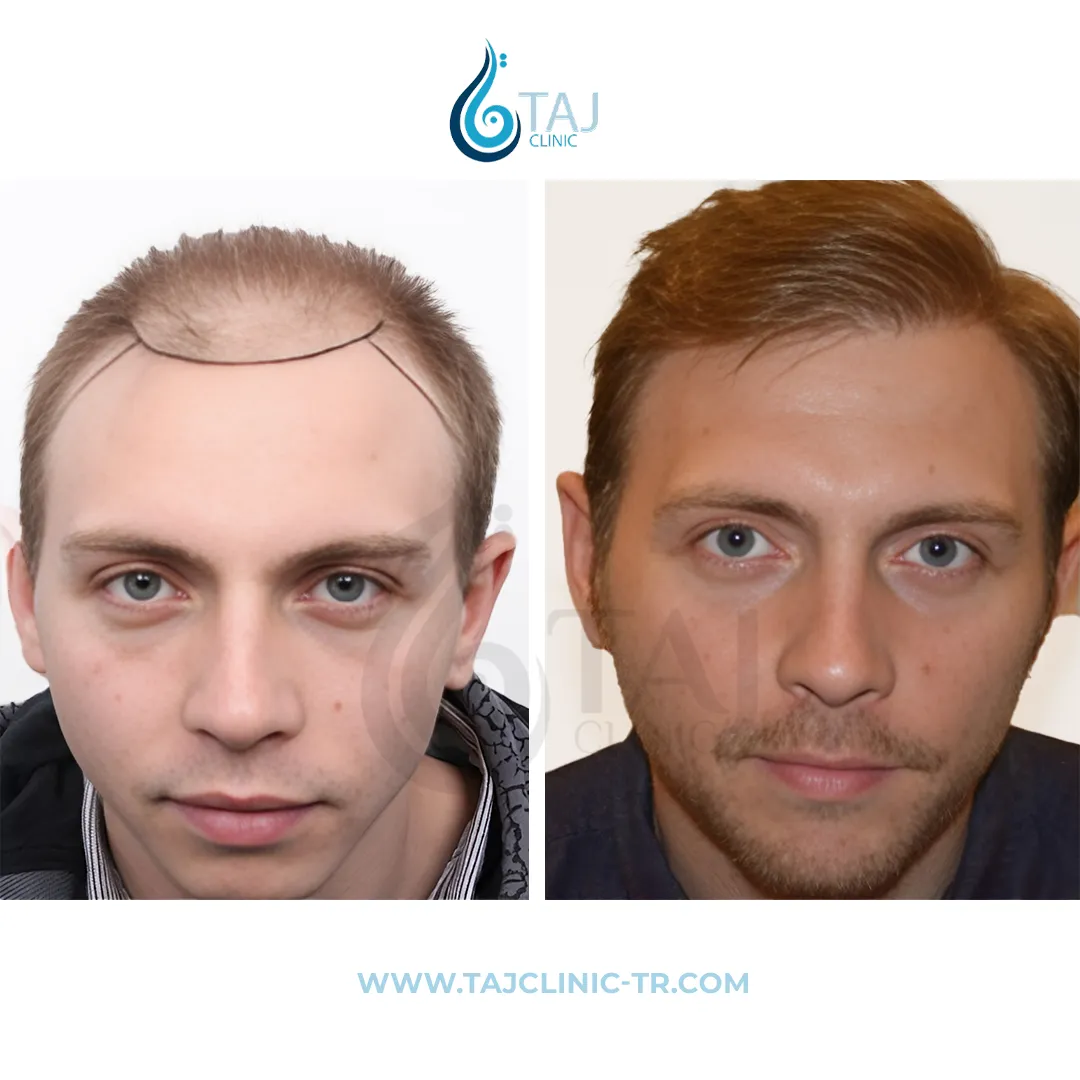
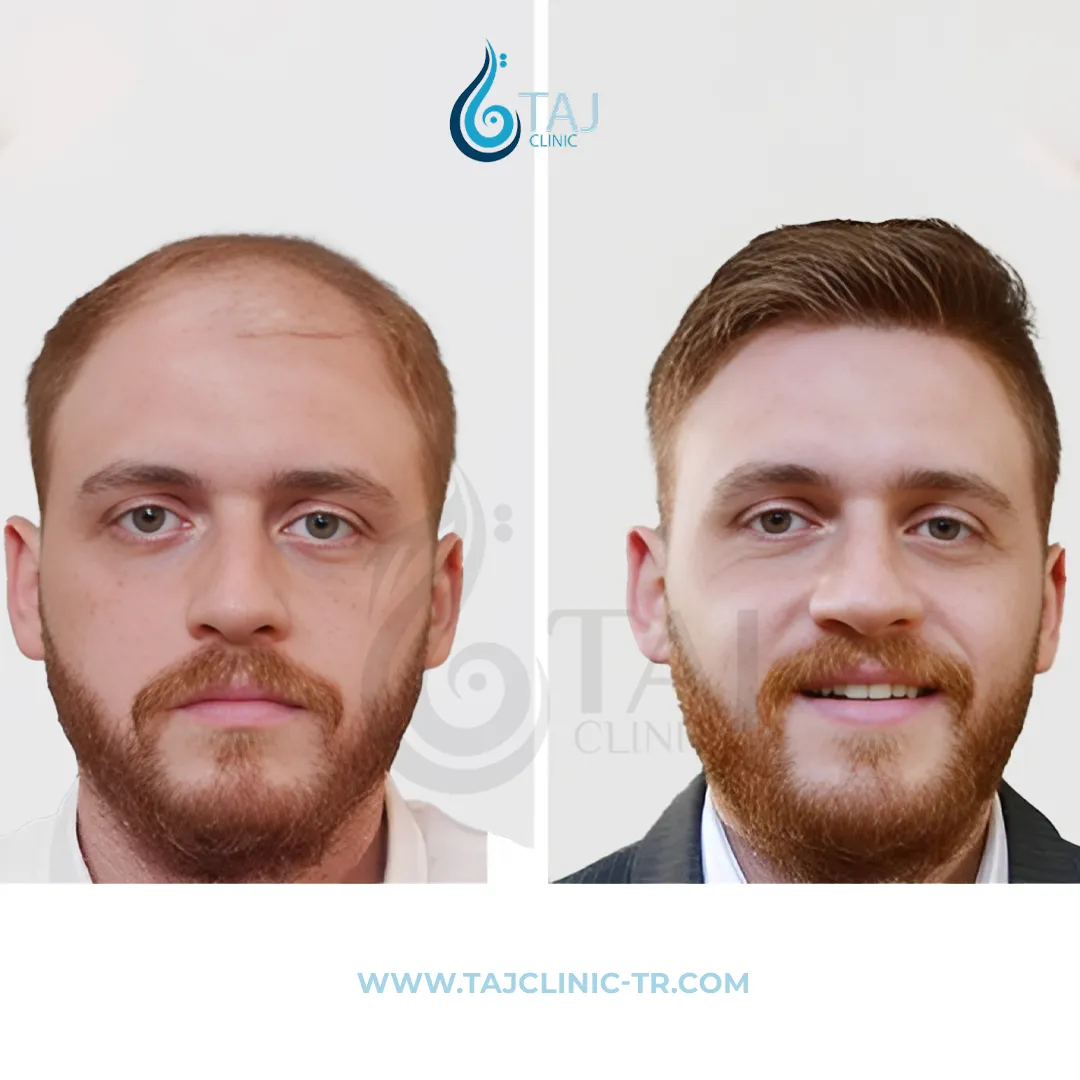
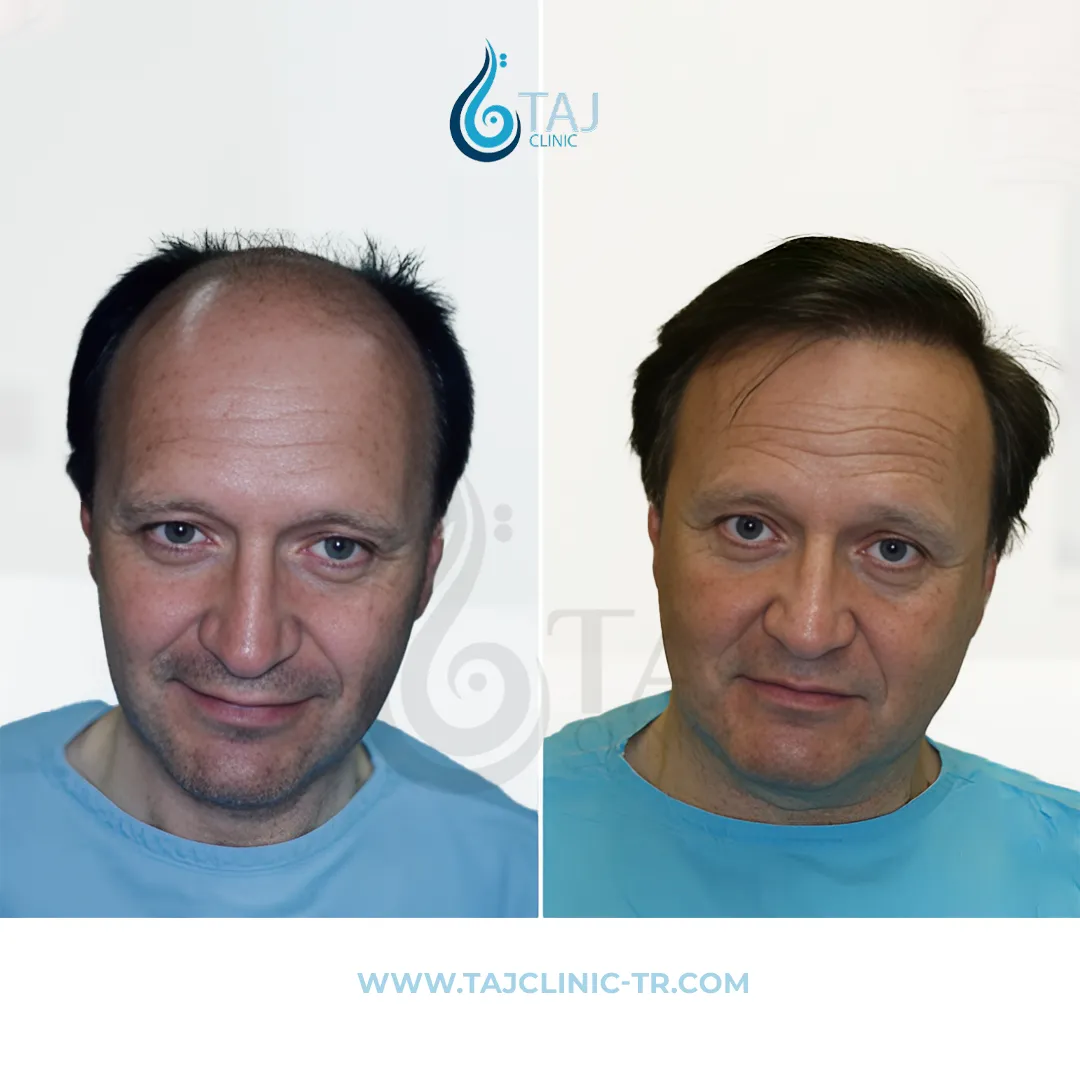
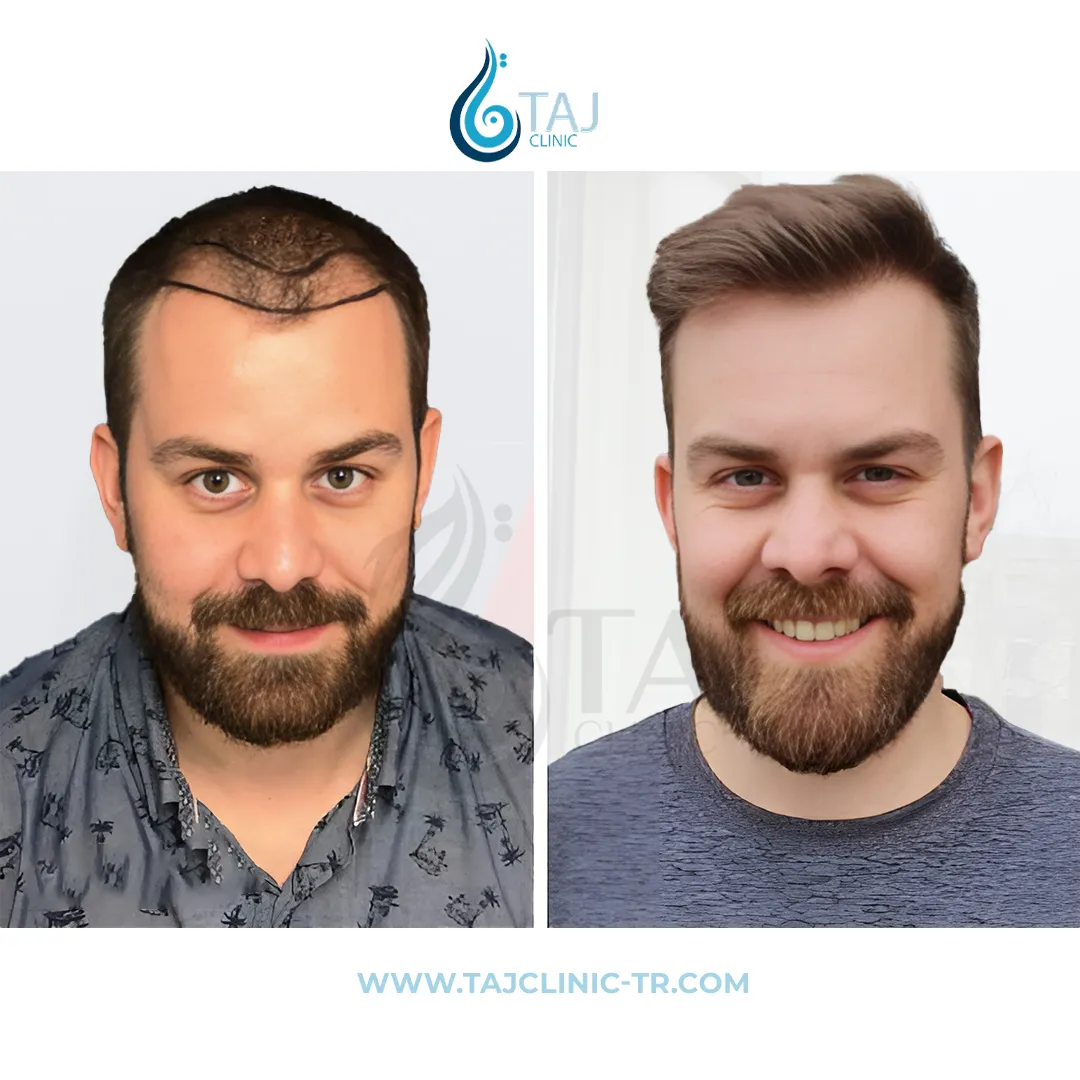
The Sapphire FUE technique has become the preferred choice in hair transplantation for several reasons. The (Sapphire FUE) technique boasts a success rate of up to 99% because it preserves tissue integrity and minimizes inflammation resulting from transplantation. It is considered the best and most suitable option for hair transplantation in men, including beard and chin hair transplants.
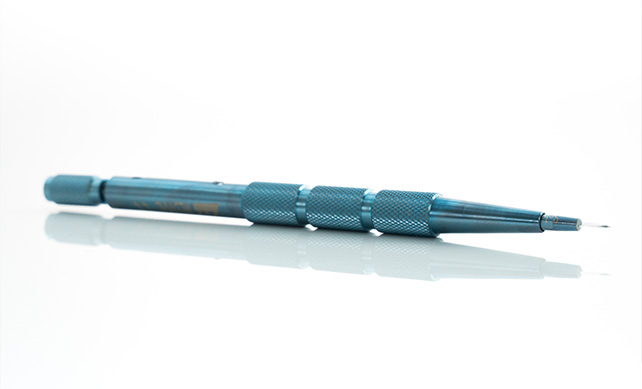
The (Sapphire FUE) technique is known for “harvesting individual hair follicle units.” In this method, hair follicles are harvested one by one from the donor area to the recipient area or the area intended for transplantation, using a scalpel made of blue sapphire stone.
It is worth noting the importance of choosing the treating physician and the medical center where this procedure will be performed because making the right choice will result in a wonderful experience and distinctive results. If the choice is not made carefully, it can lead to serious consequences, as hair transplantation is a highly precise cosmetic procedure.
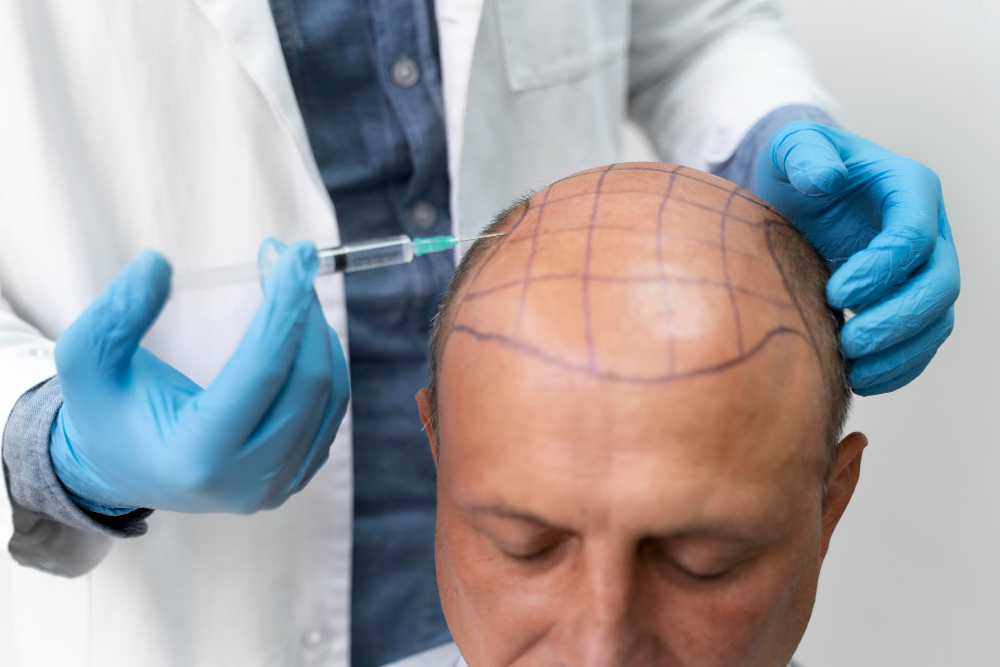
Who are the candidatesHair transplantation using FUE technique؟
Hair loss is a common issue for both men and women due to various reasons, but it varies from person to person. It can be caused by genetic factors, hormonal changes, certain medications, hair care products, and the major contributors are stress and psychological factors. Candidates for hair transplantation among all these include:
- Those experiencing severe hair loss.
- Individuals above the age of twenty-five.
- Men facing significant beard hair loss.
- Those in good overall health.
- Individuals with a high-quality and dense donor area.
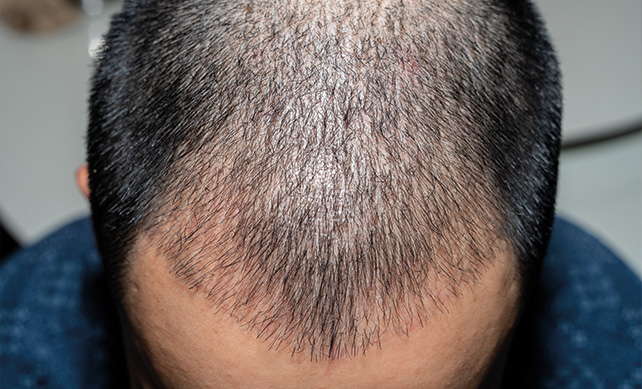
Tips before proceeding Hair transplantation using FUE technique
During the initial consultation between the patient and the medical consultant, some important tips are provided to ensure the success of the procedure, with a focus on avoiding side effects. These tips include:
- Quit smoking at least two weeks before the hair transplantation procedure, as smoking negatively impacts hair follicle growth.
- Refrain from alcohol consumption for at least one week before the operation, as alcohol can adversely affect anesthesia.
- Avoid consuming natural blood thinners like green tea, as they may cause severe bleeding during and after the operation, potentially leading to the failure of the hair transplant.
- Avoid caffeine intake in general, especially coffee, for at least four days before the hair transplantation procedure, as it can affect the anesthesia process.
- Maintain a healthy and balanced diet overall to prevent any complications later on.
- Stop taking blood-thinning medications such as aspirin and ibuprofen.
- If you are on specific medications, consult your doctor to ensure your suitability for the transplantation process. Obtain the doctor’s approval before undergoing the procedure. Also, inform the cosmetic surgeon about your health condition and medical history before the transplantation.</
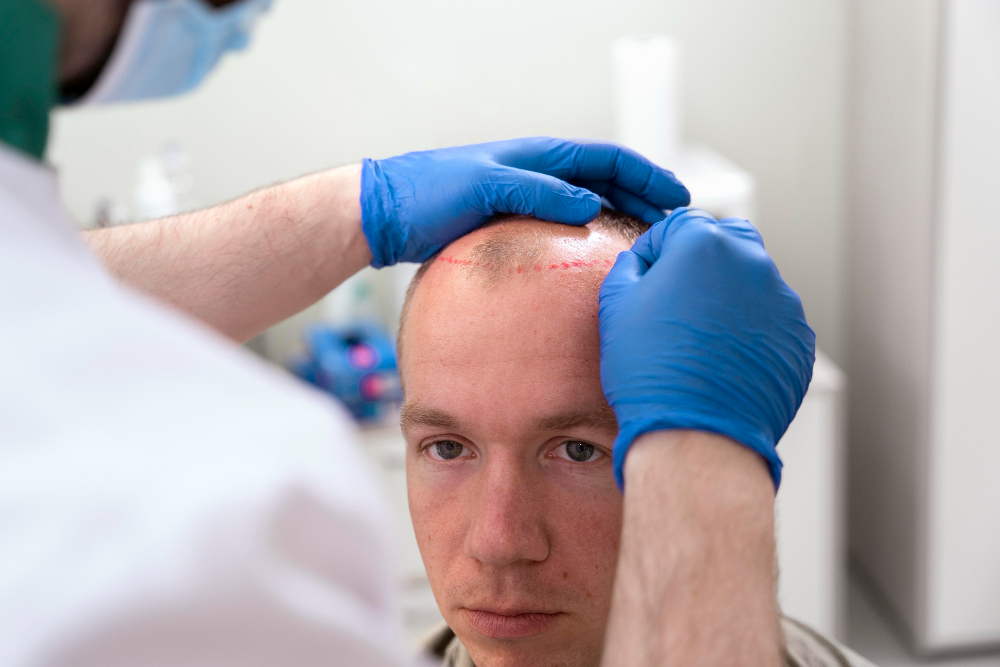
What are the stages Hair transplantation using FUE technique؟
- Hair and Scalp Examination:
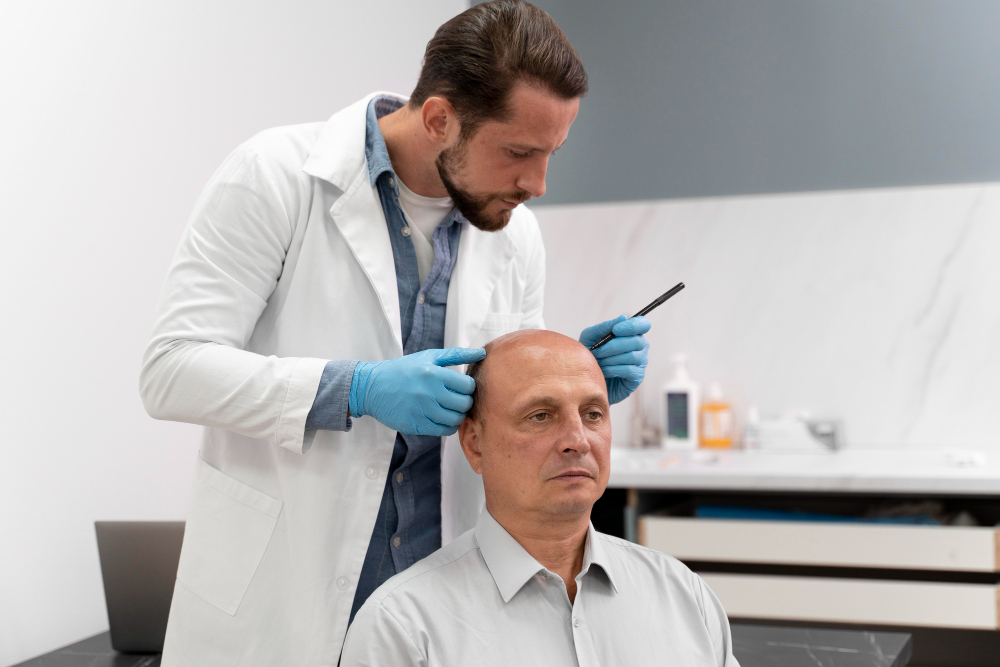
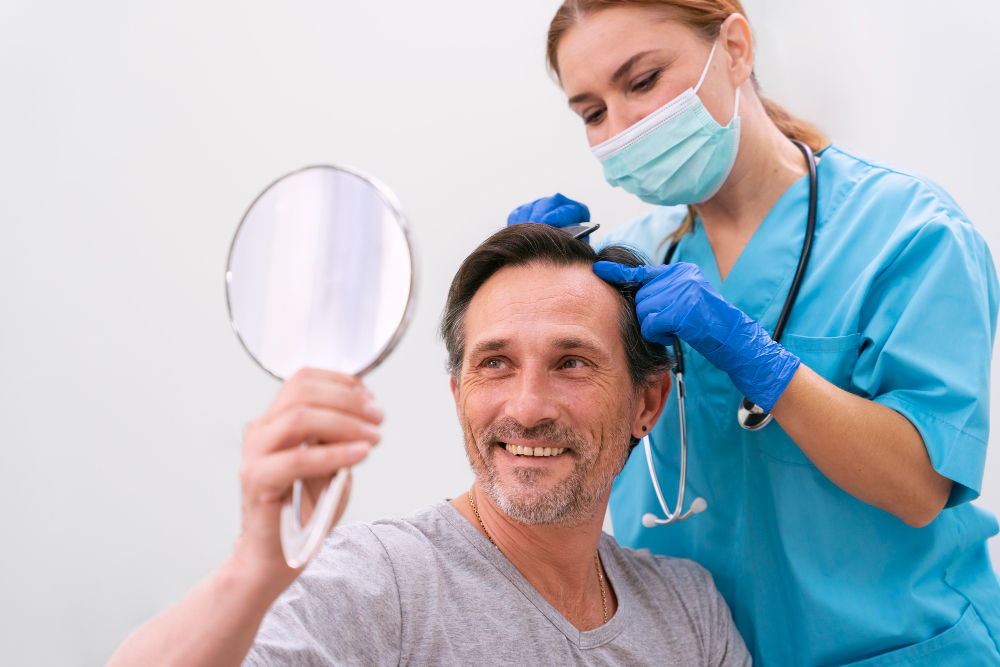
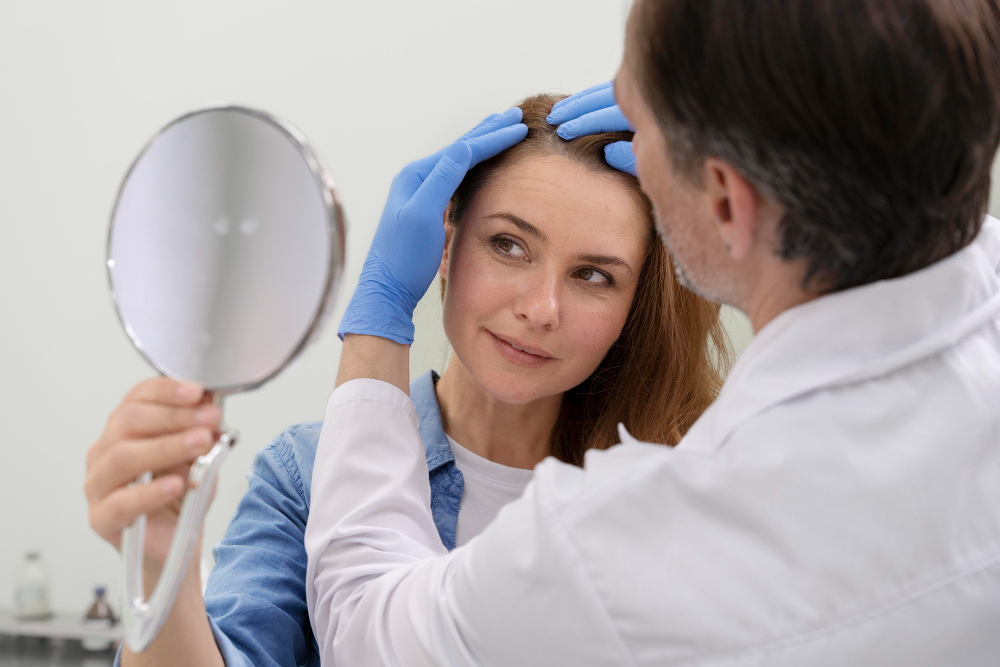
The first step in the hair transplantation process is crucial; during this step, the surgeon identifies the follicles to be harvested for re-implantation. In this phase, the surgeon thoroughly examines the hair using a specialized device to get a better view of its condition. It helps determine the quality and density of the hair in the donor area, hair loss rate, and the number of grafts to be transplanted from the donor area to the target area.
- Frontal Hairline Design:
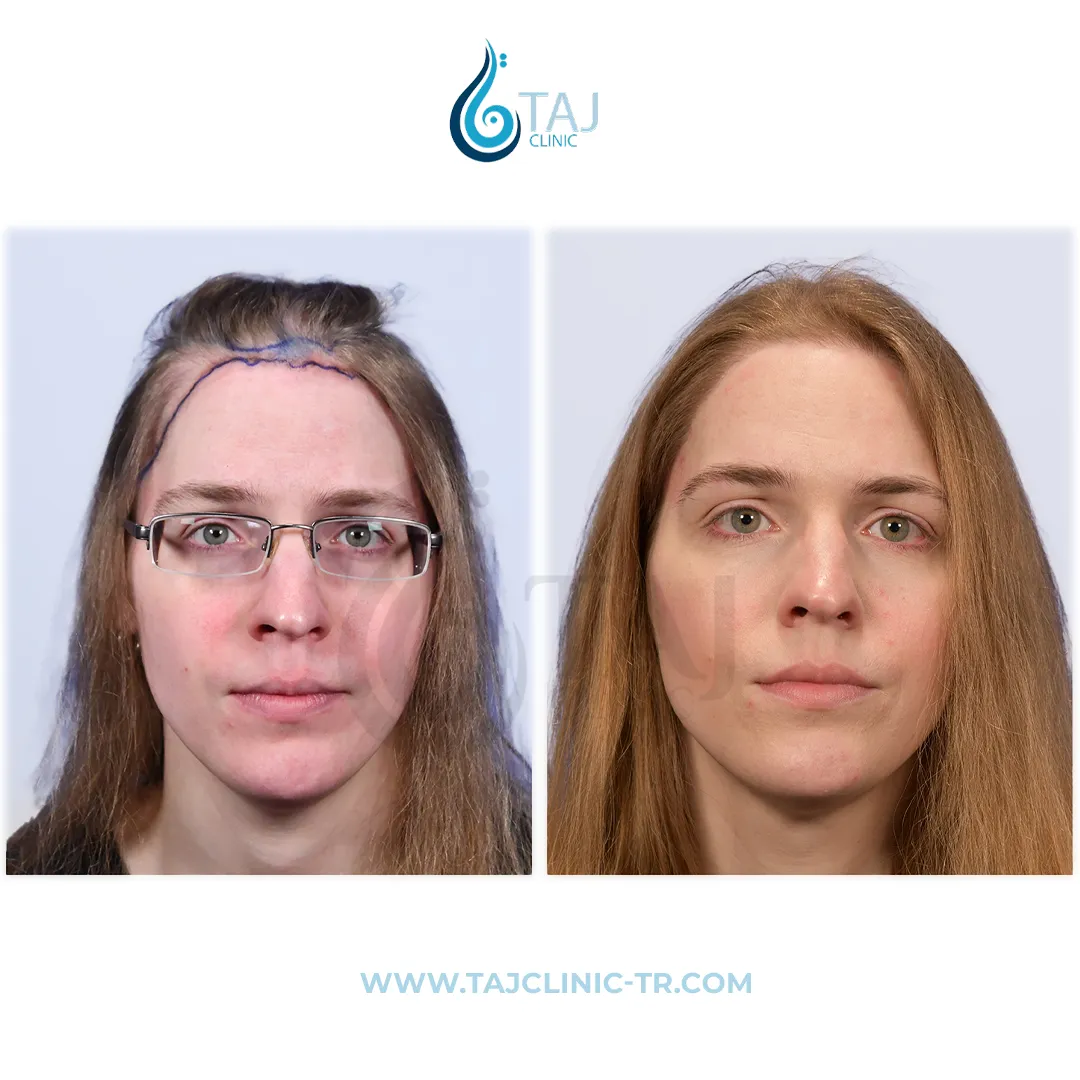
In this step, the surgeon determines the frontal hairline and the final appearance of the hair, illustrating the overall and final image for the patient. The final design is then adopted in accordance with the patient’s preference and the doctor’s opinion.
- Hair Shaving Phase:
Using the Sapphire FUE technique for hair transplantation, the hair is shaved completely to facilitate the extraction of follicles from the donor area and their proper transplantation into the targeted areas for treatment.
- Local Anesthesia Phase:
The donor area is locally anesthetized to initiate the follicle extraction process. Using a precise motor without resorting to surgical incisions, the surgeon extracts individual hair follicles one by one, placing them in a saline solution to preserve their quality until transplantation in the recipient areas.
- Transplantation Phase:
Afterward, the target area for transplantation is locally anesthetized, and the surgeon creates very precise incisions with a specified depth, angle, and direction that align with the patient’s natural hair direction. Subsequently, the grafts are implanted into those incisions.
What to expect next of Hair transplantation using FUE technique؟
The changes in hair growth after transplantation can be observed as follows:
- After five or six days, a peeling and shedding process occurs for these scabs.
- Within 15-21 days after Sapphire hair transplantation, the temporary shock period begins, also known as shock loss. The transplanted hair starts to shed, which is normal. In fact, hair shock loss is considered a good sign of the procedure’s success.
- After three months, hair follicles begin to grow.
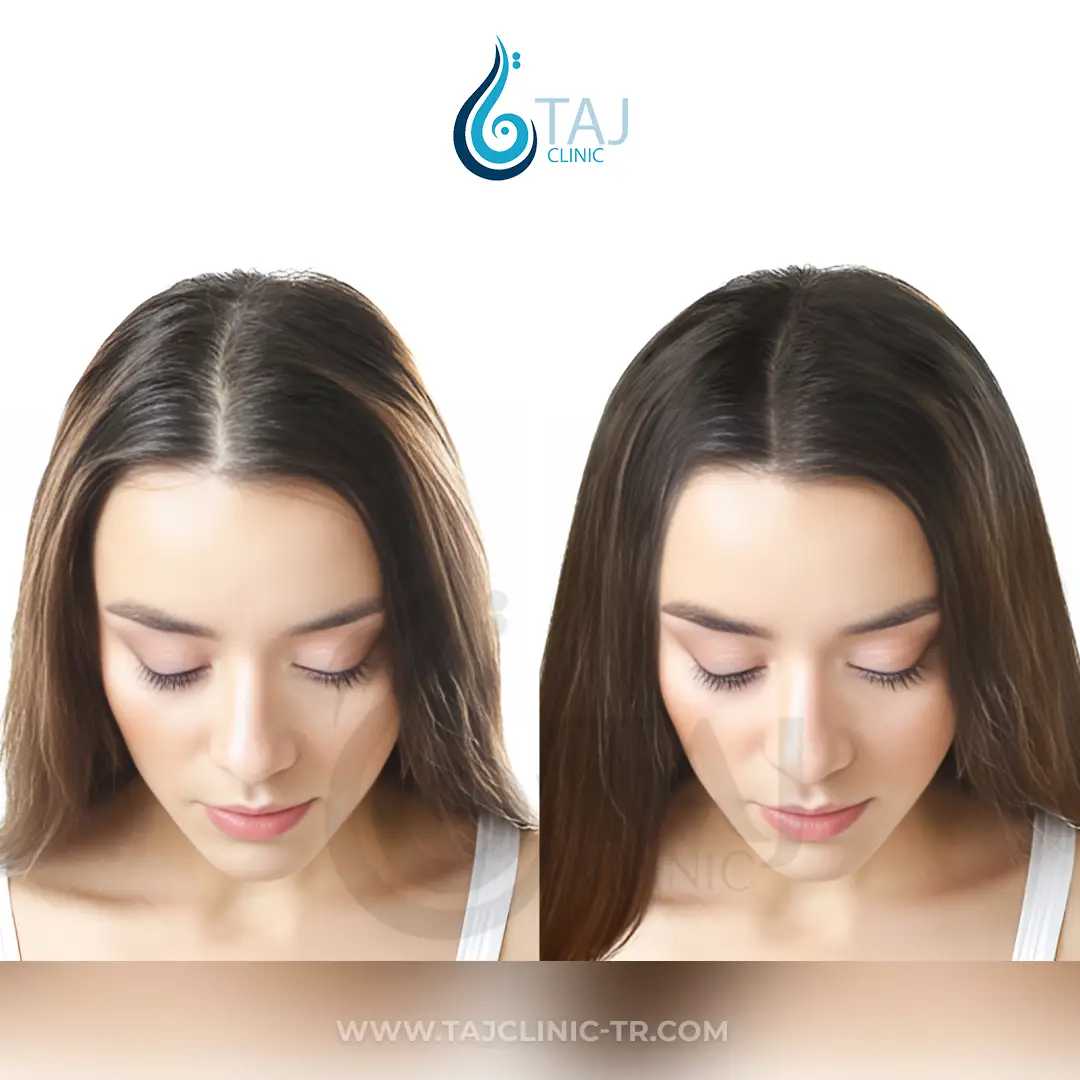
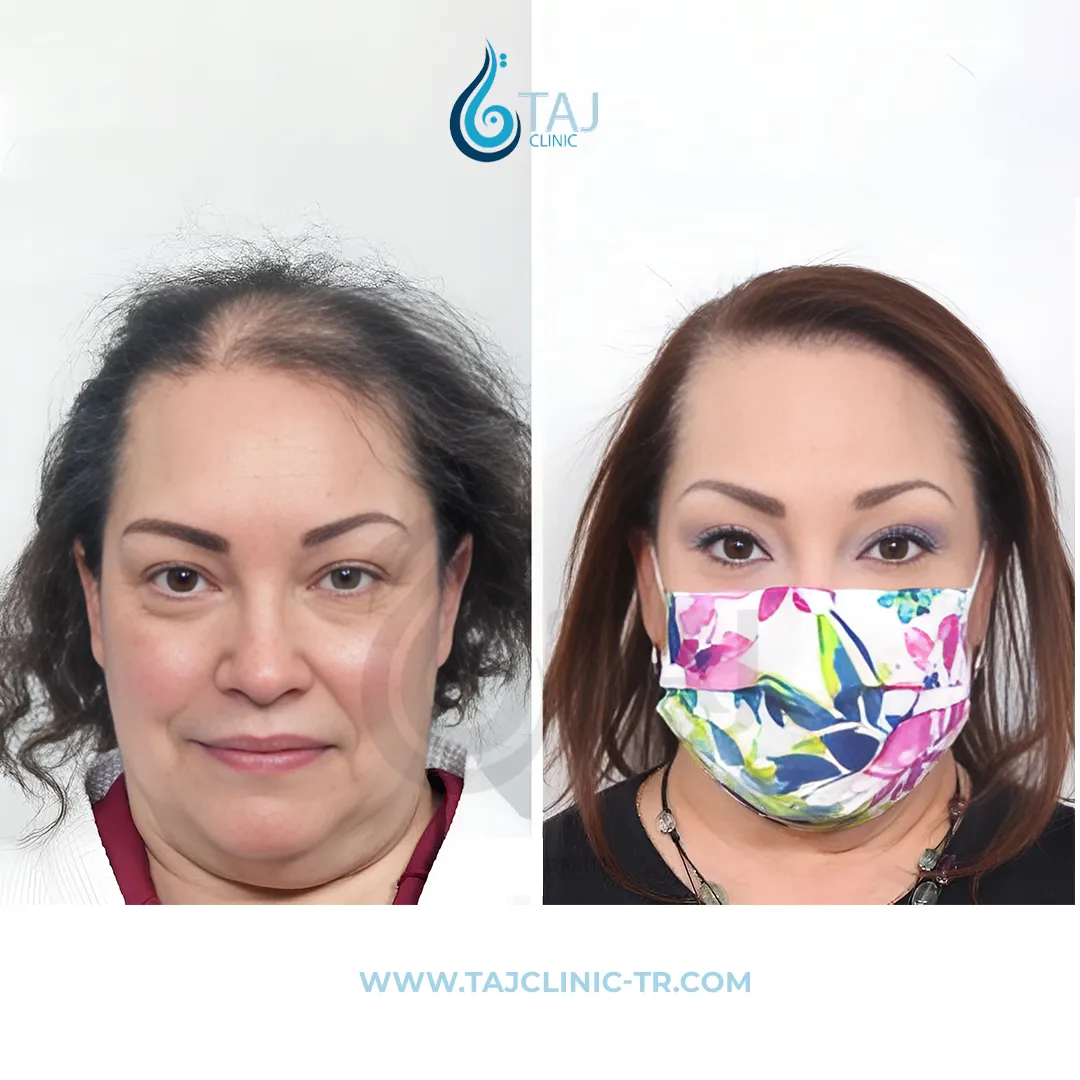
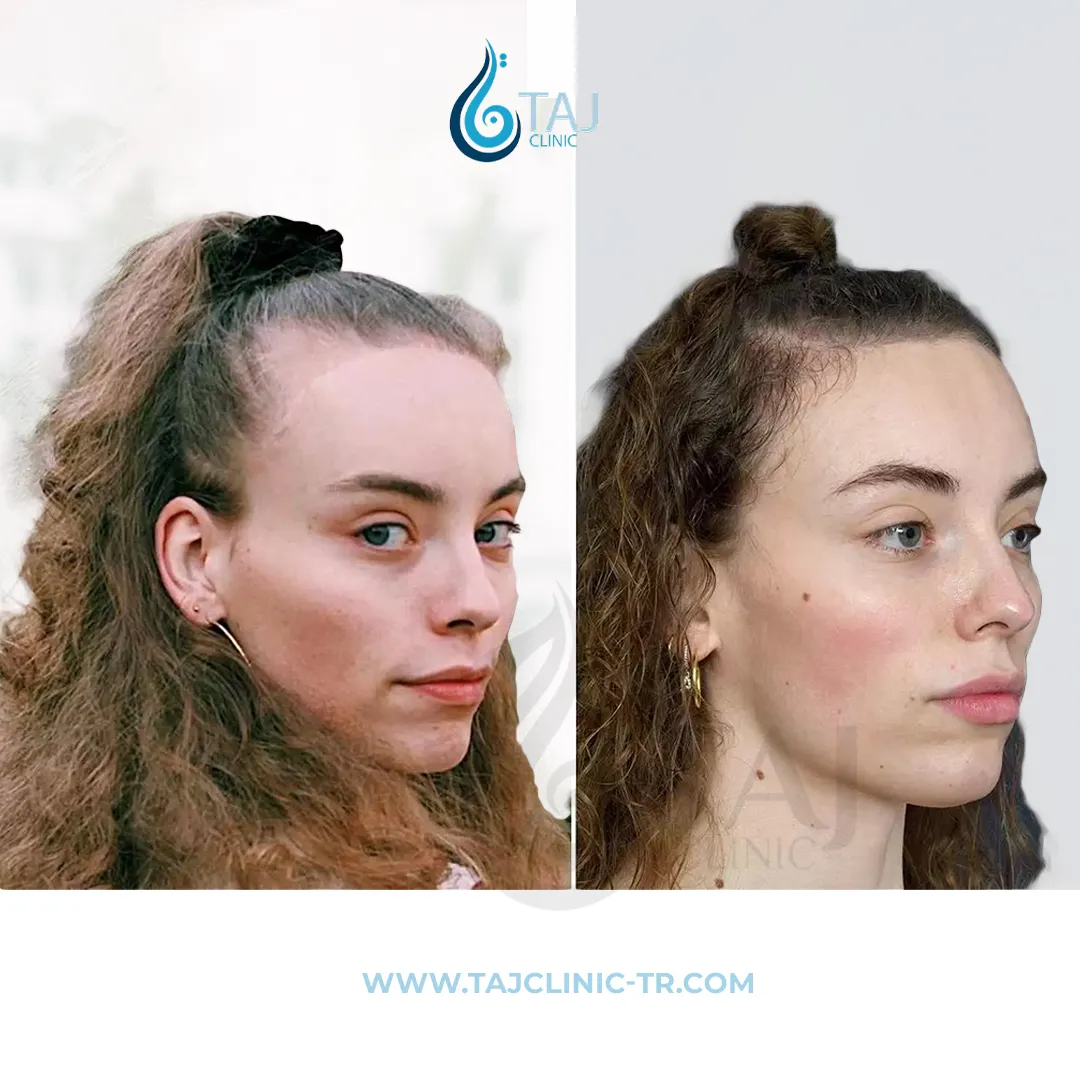
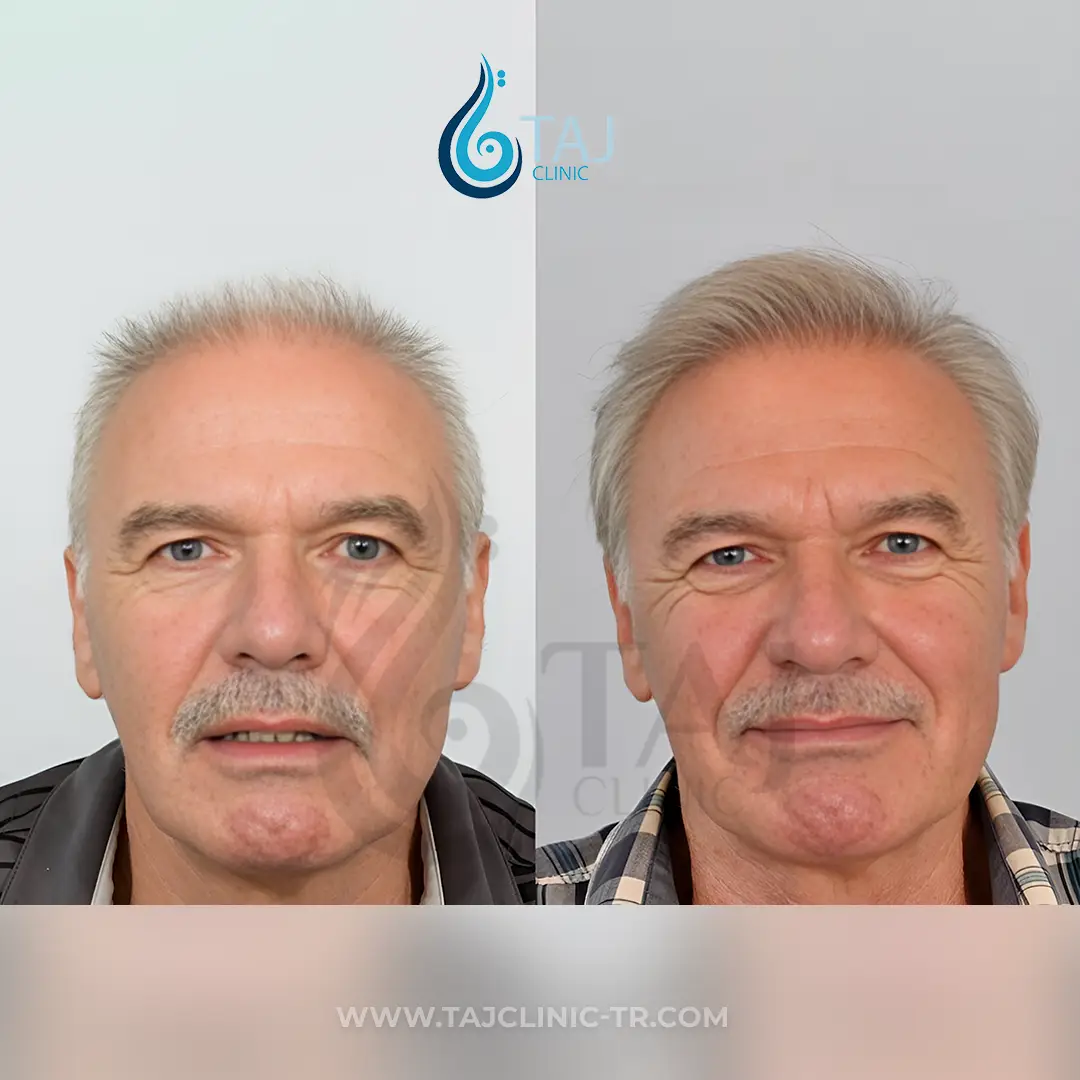
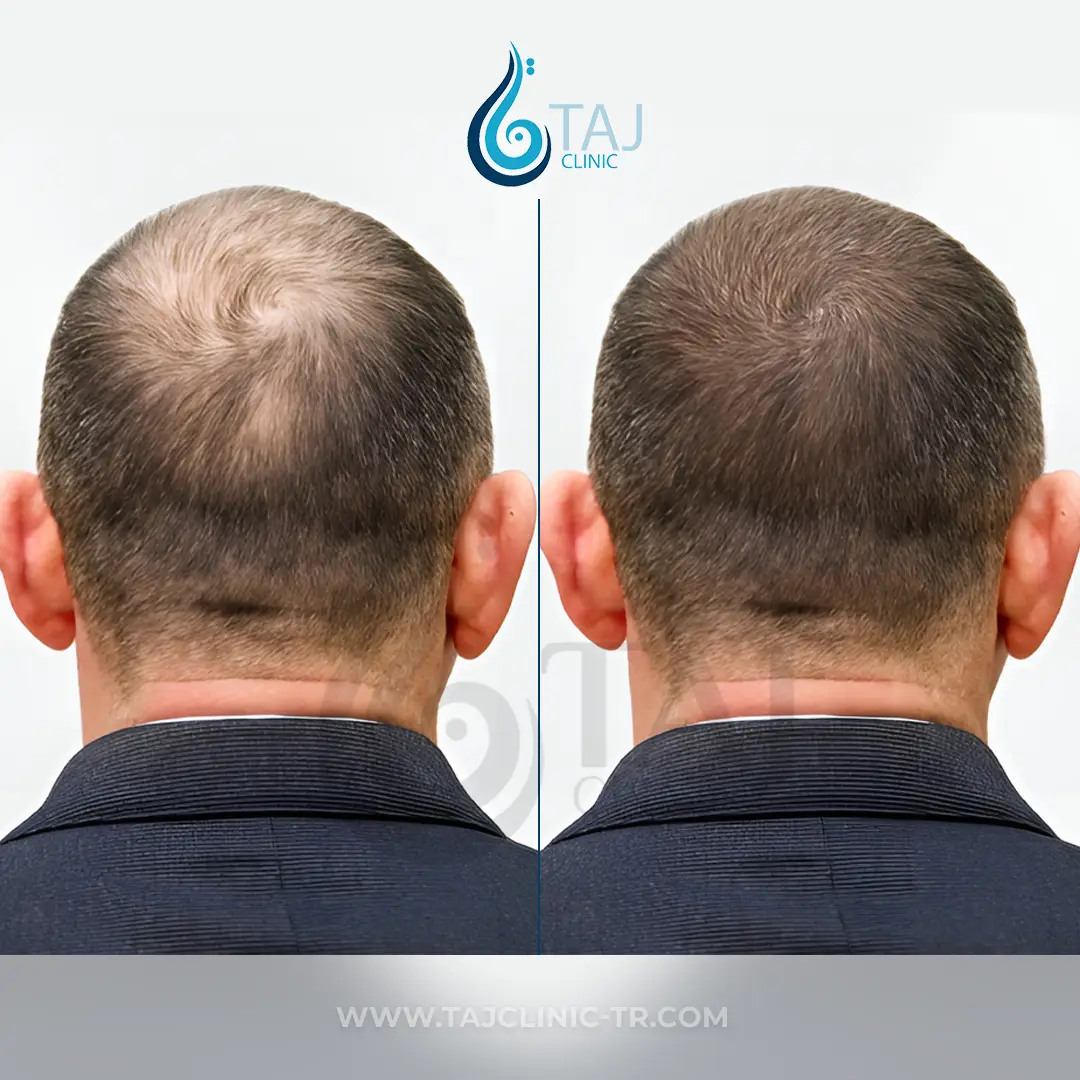
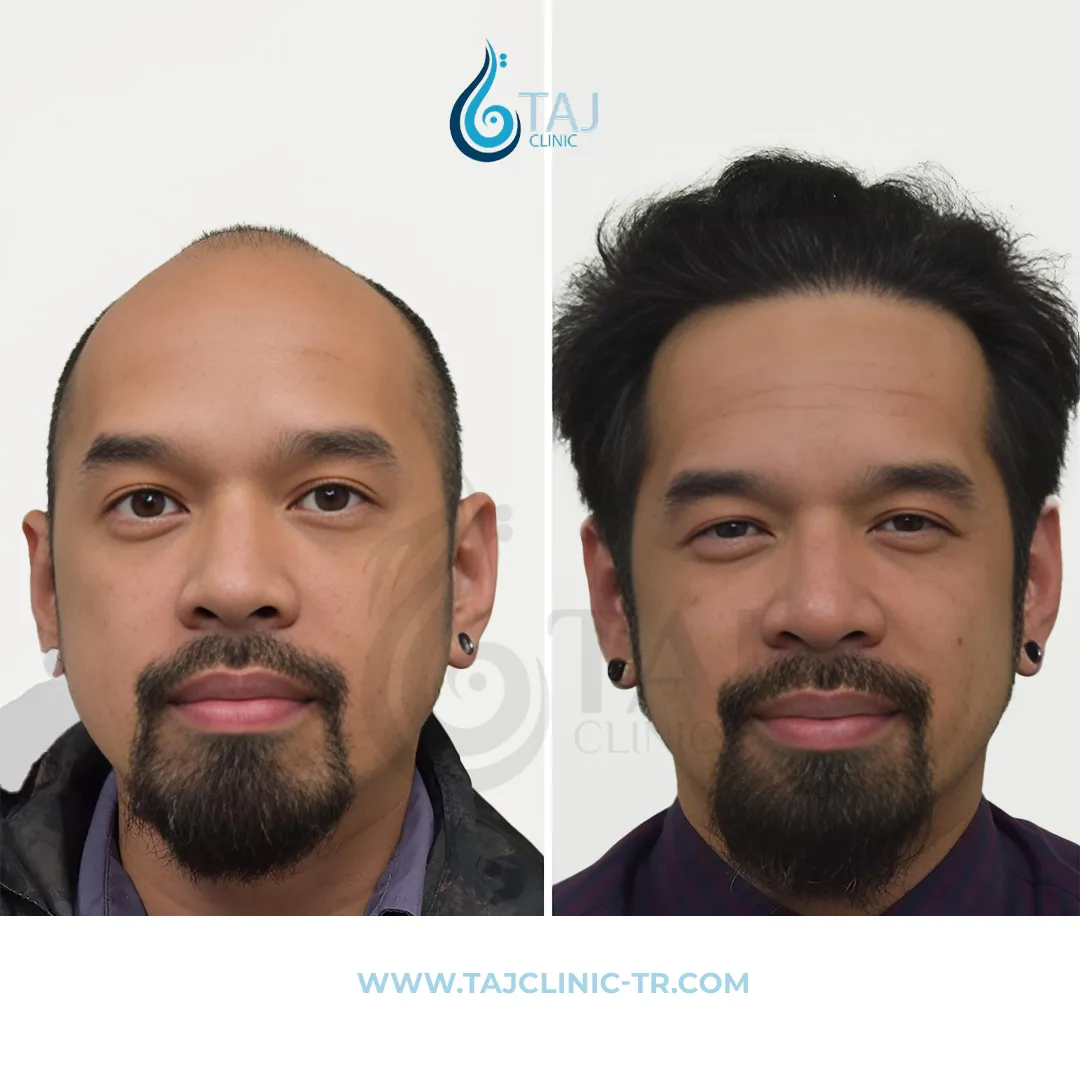
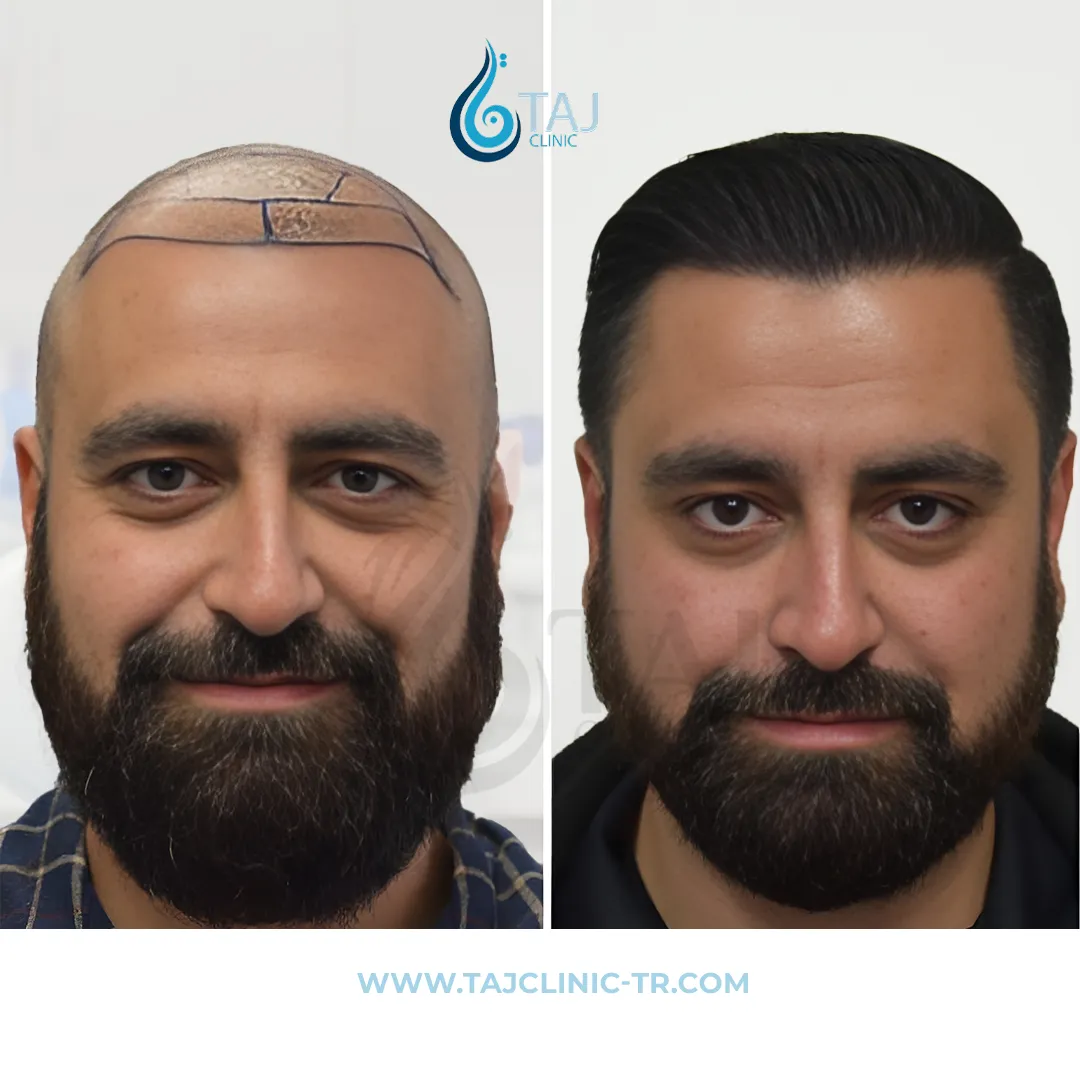
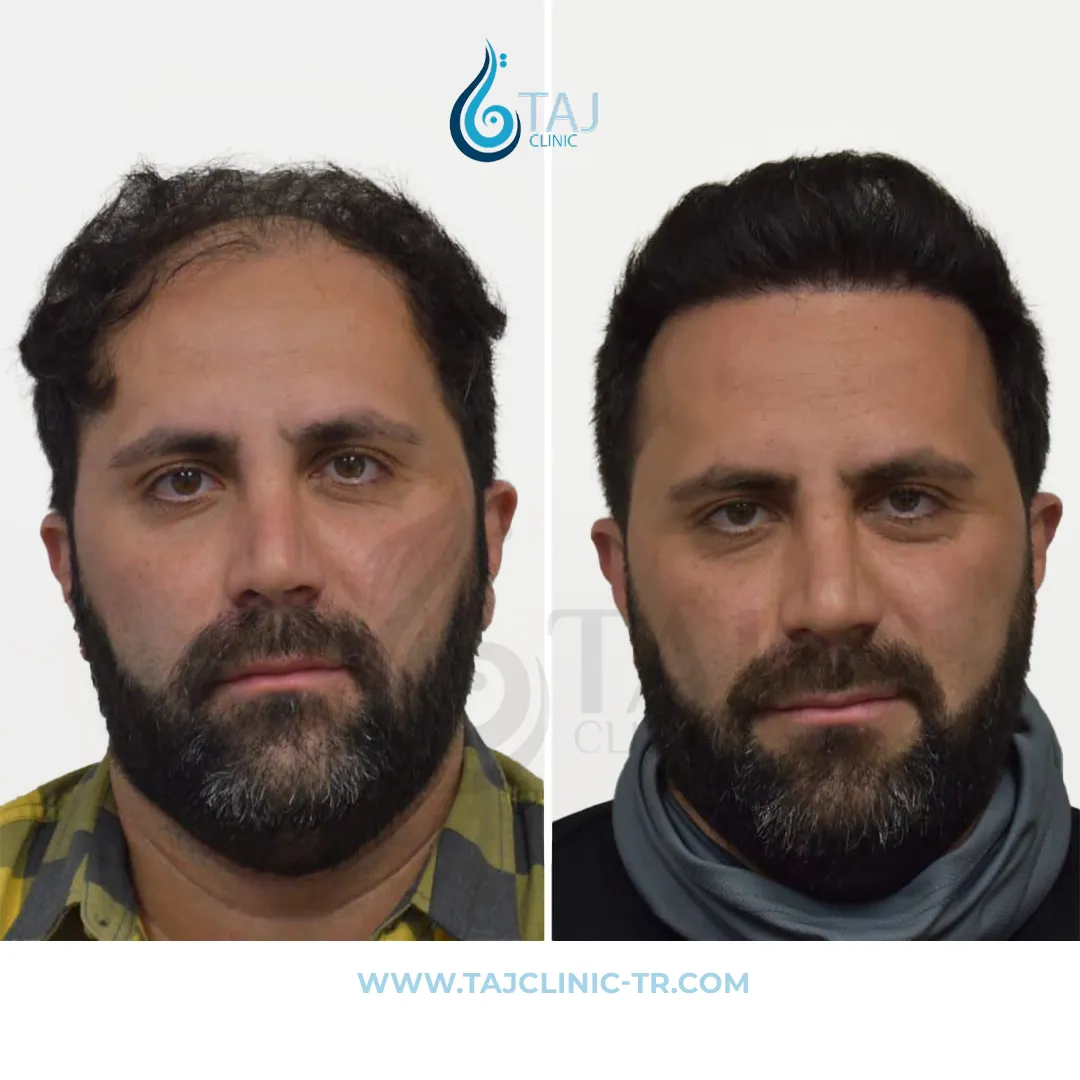
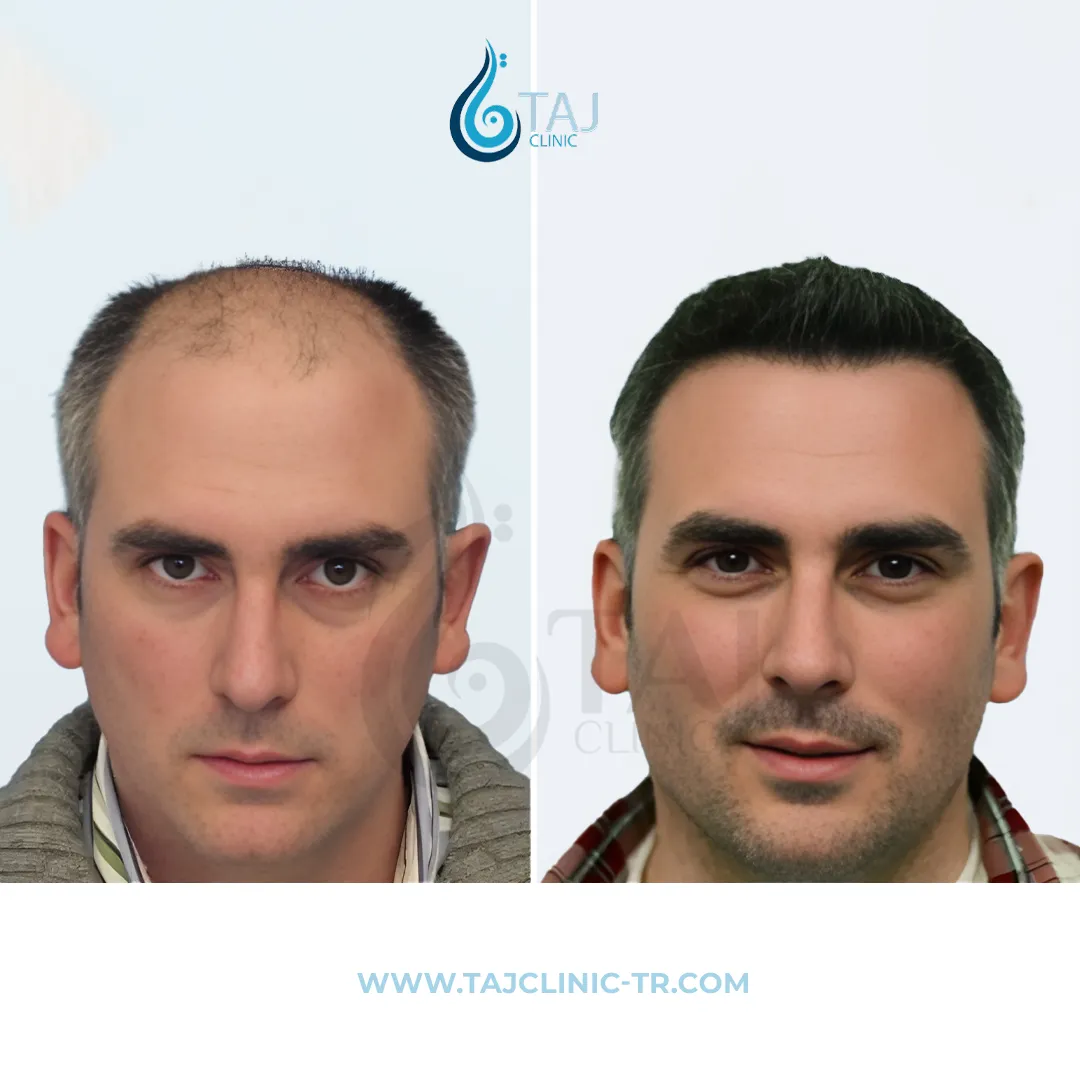
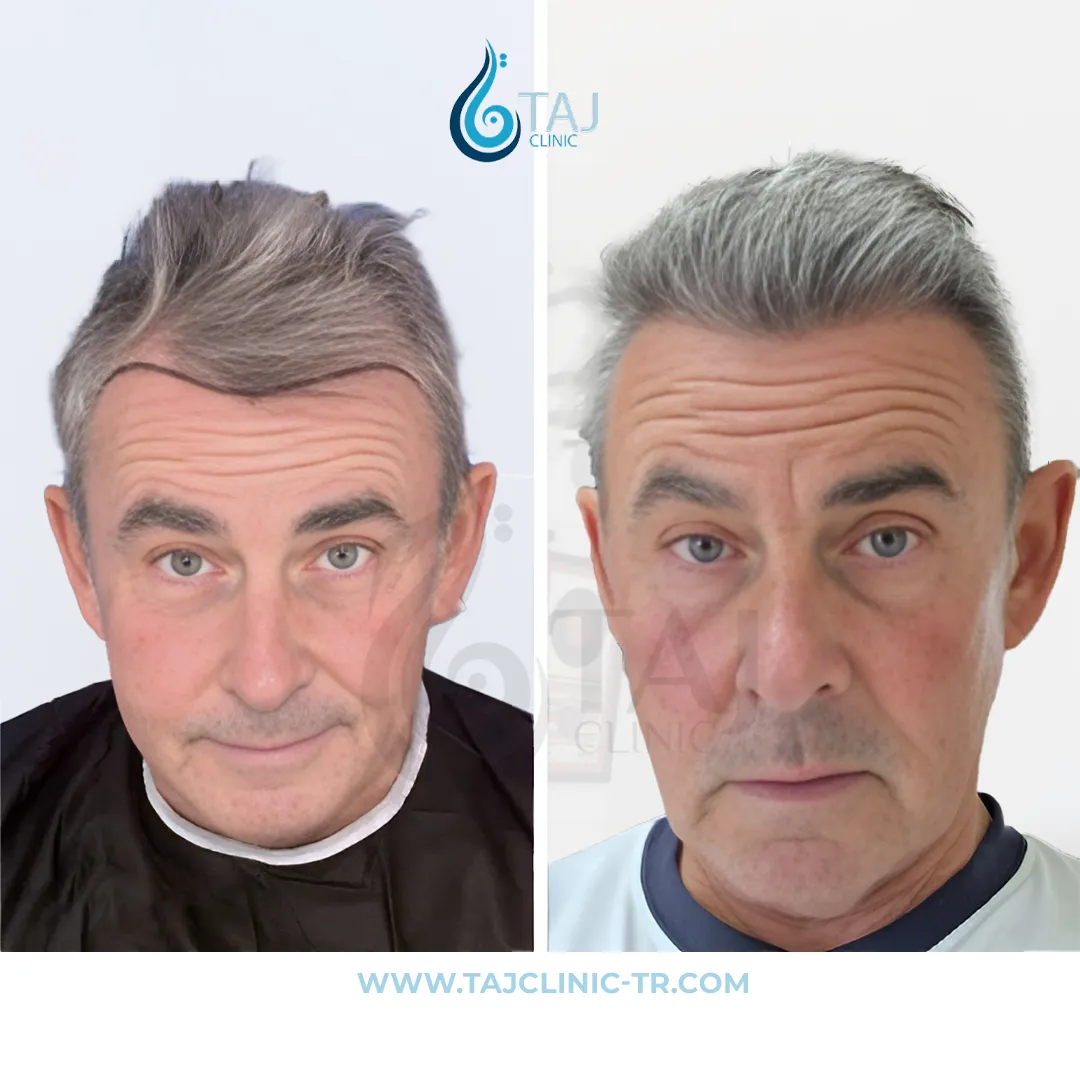
- After six months, the patient begins to notice significant growth of the transplanted hair follicles, around 60-70%.
Before & After
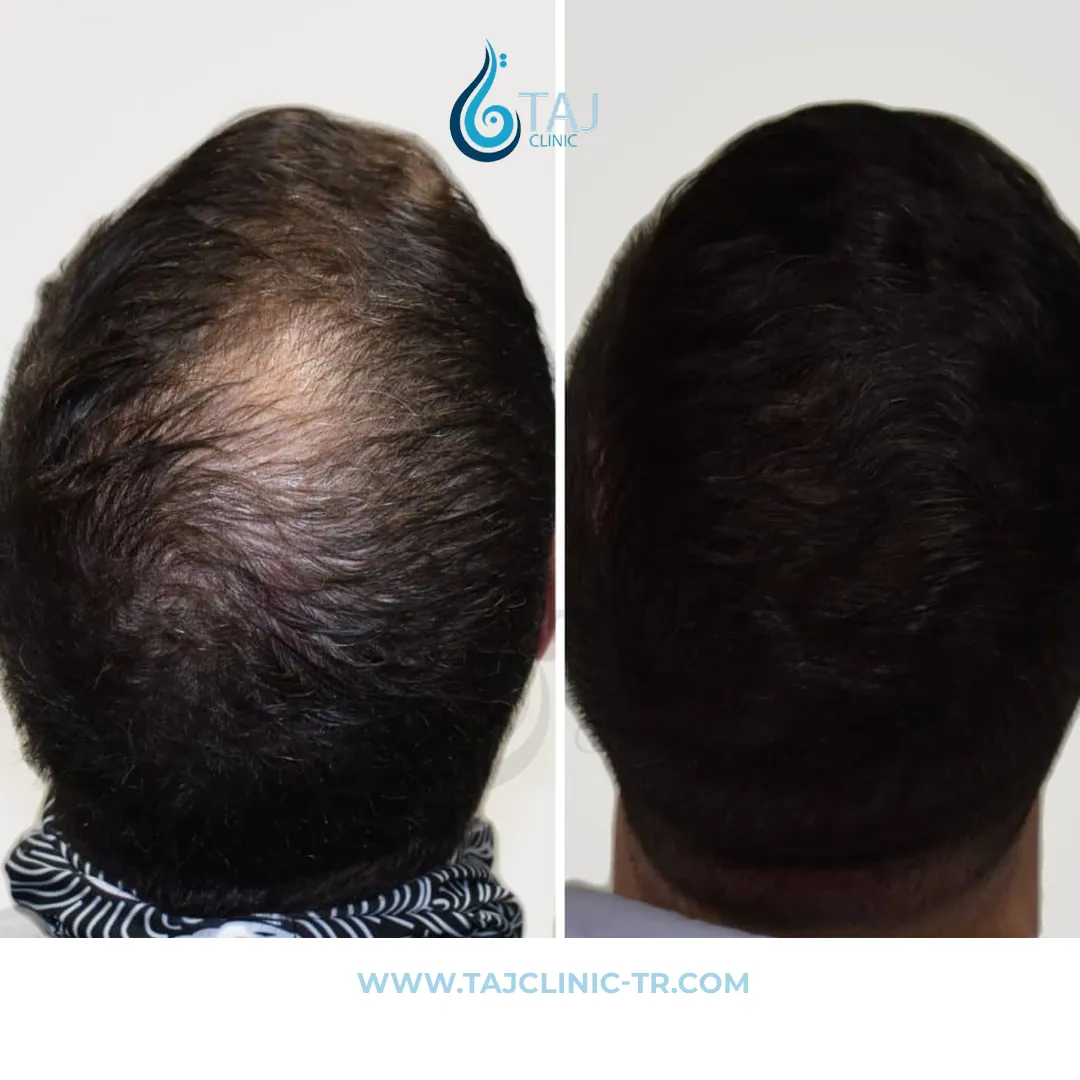
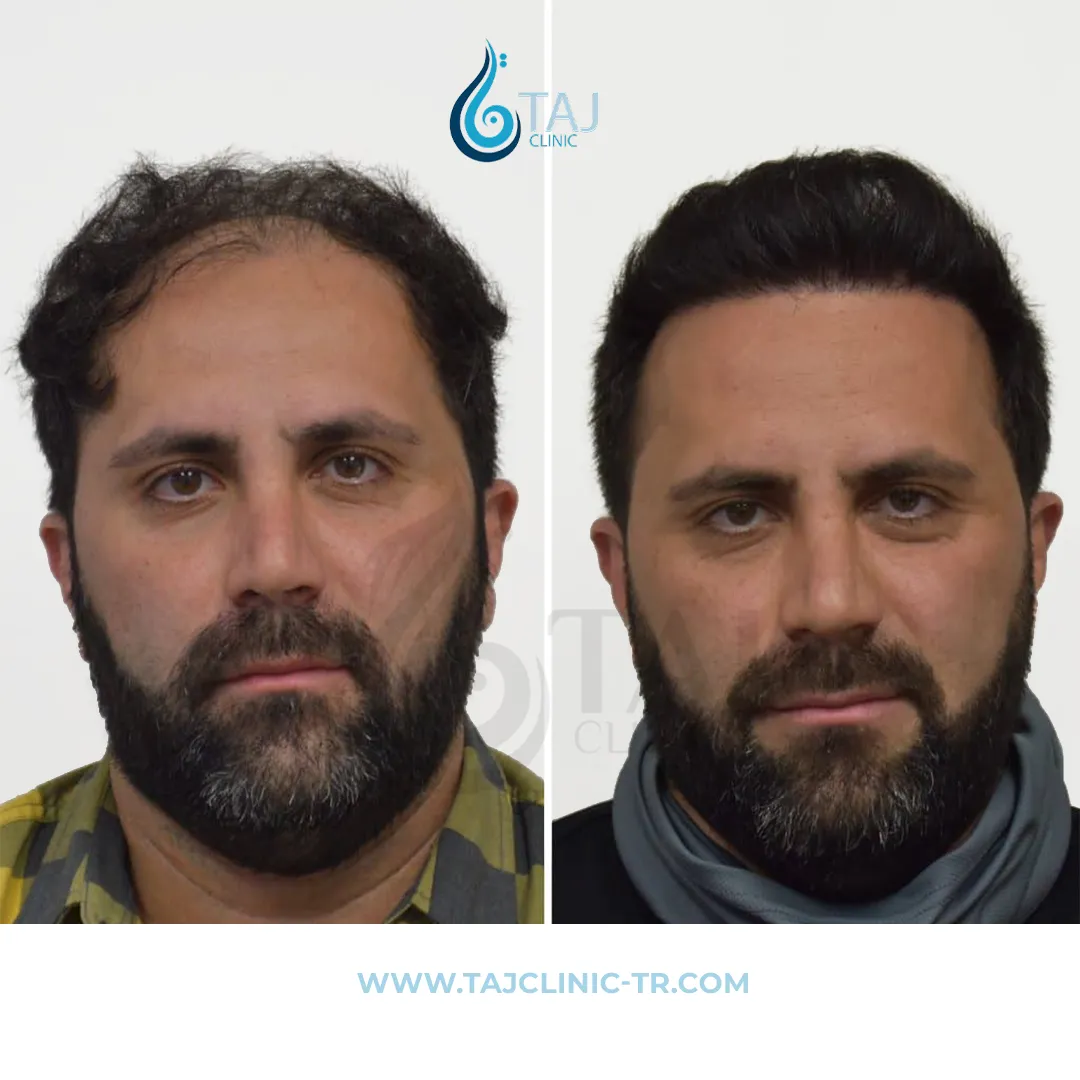
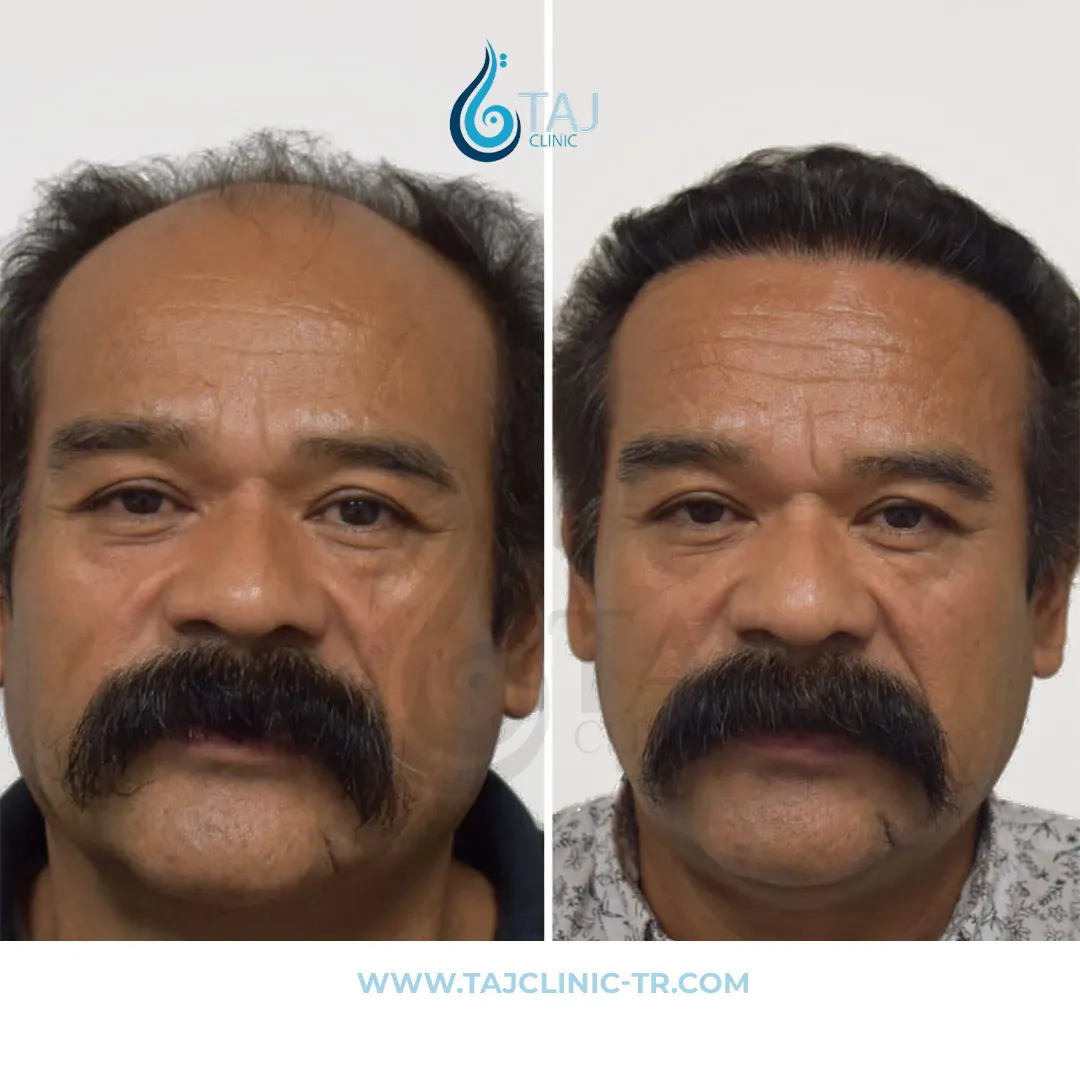
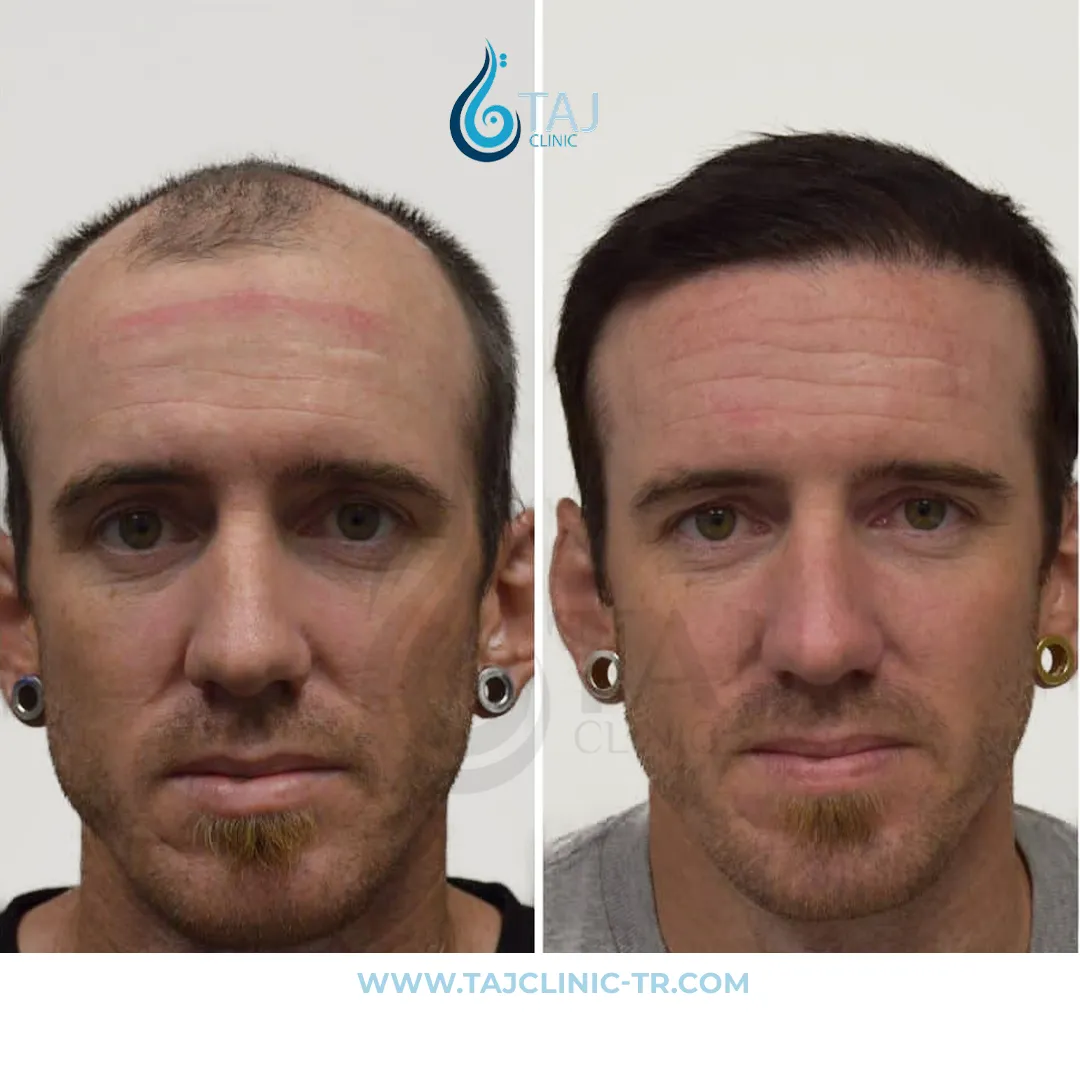


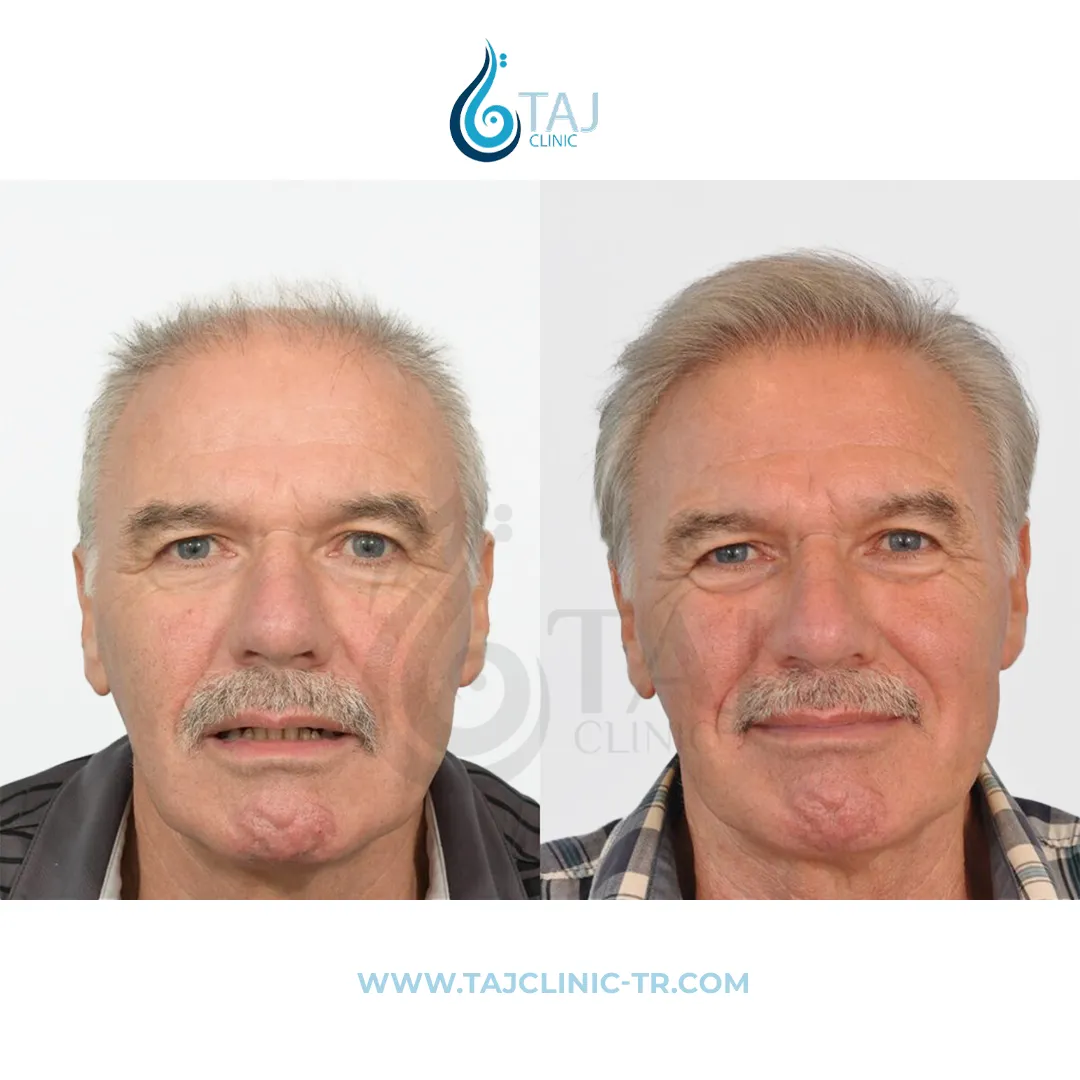
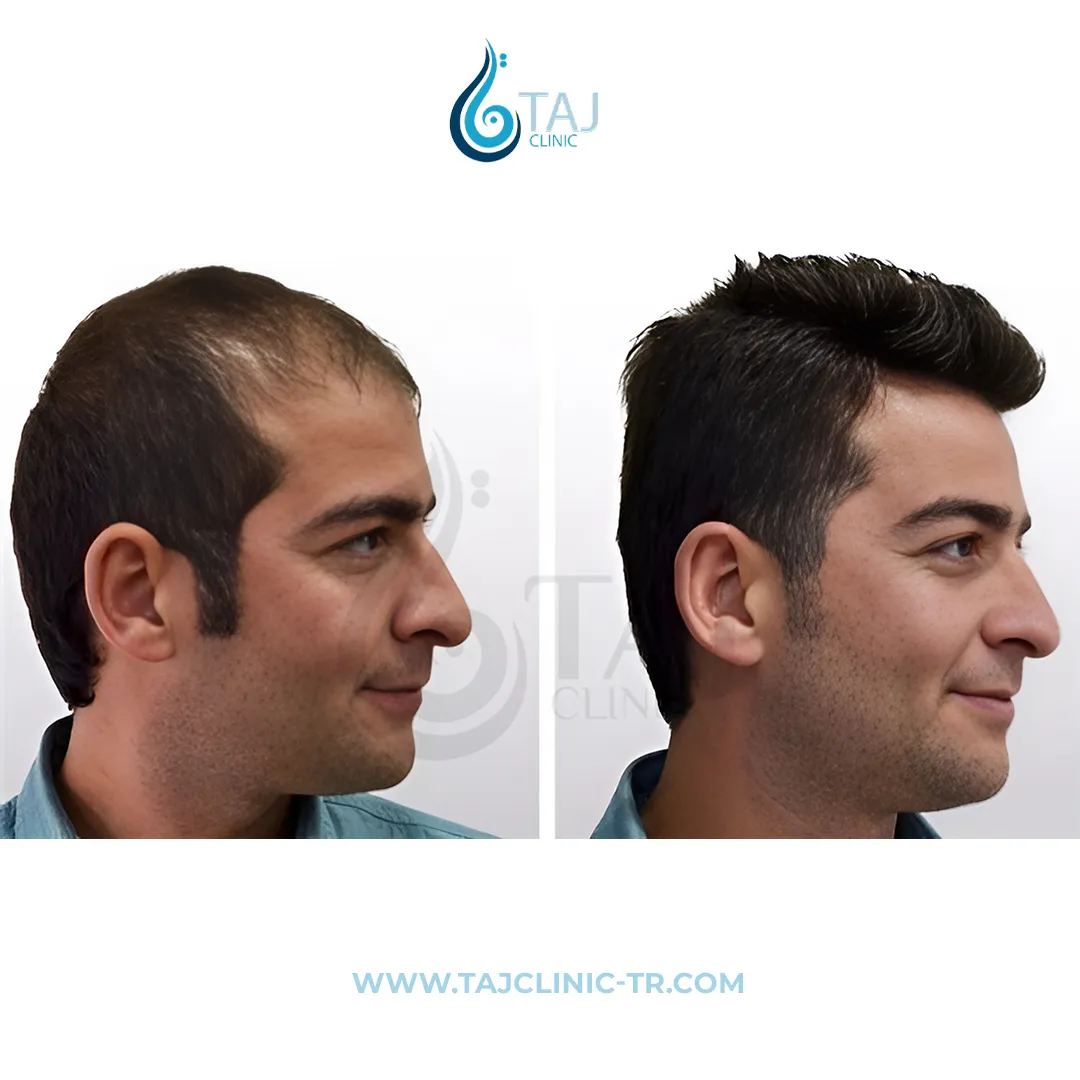
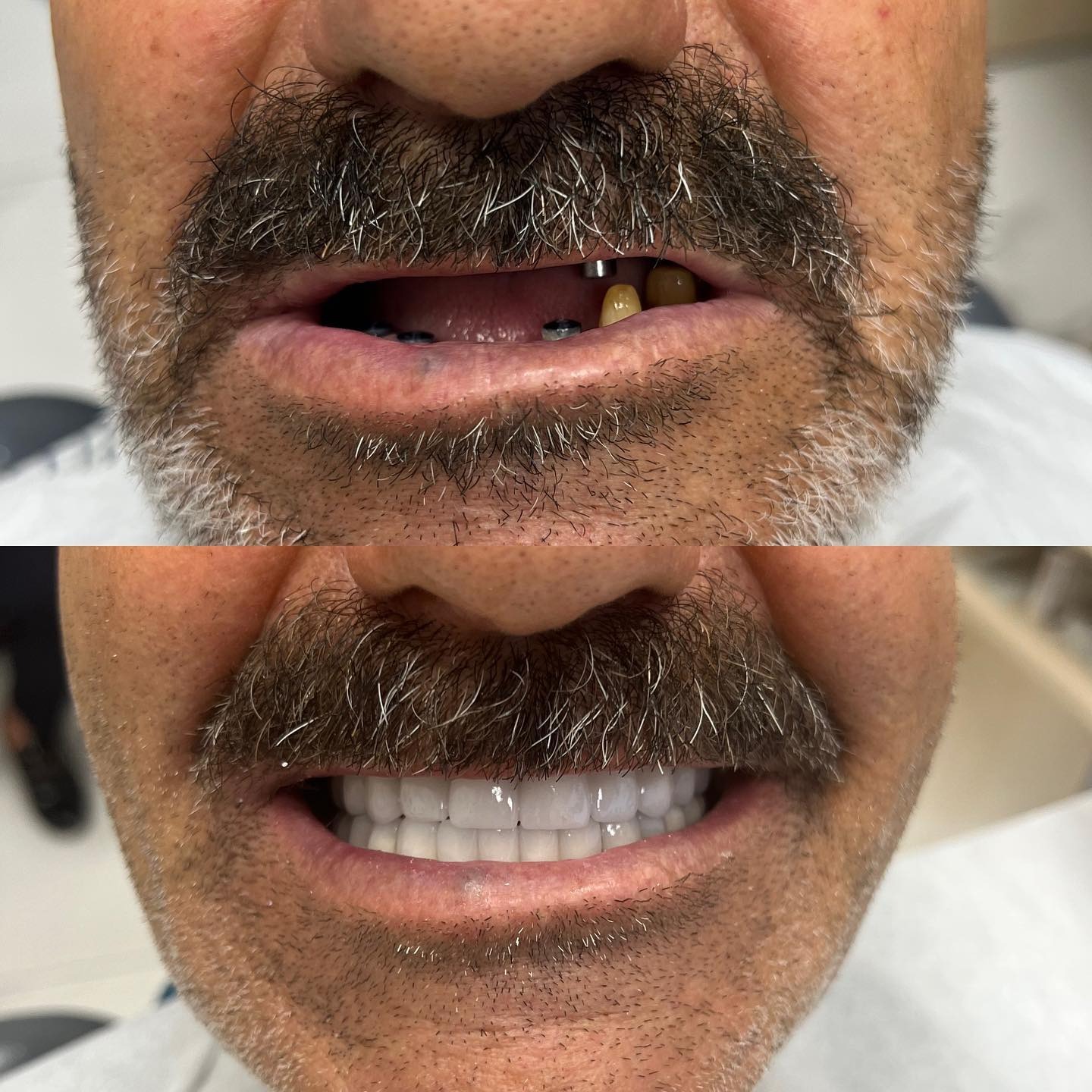
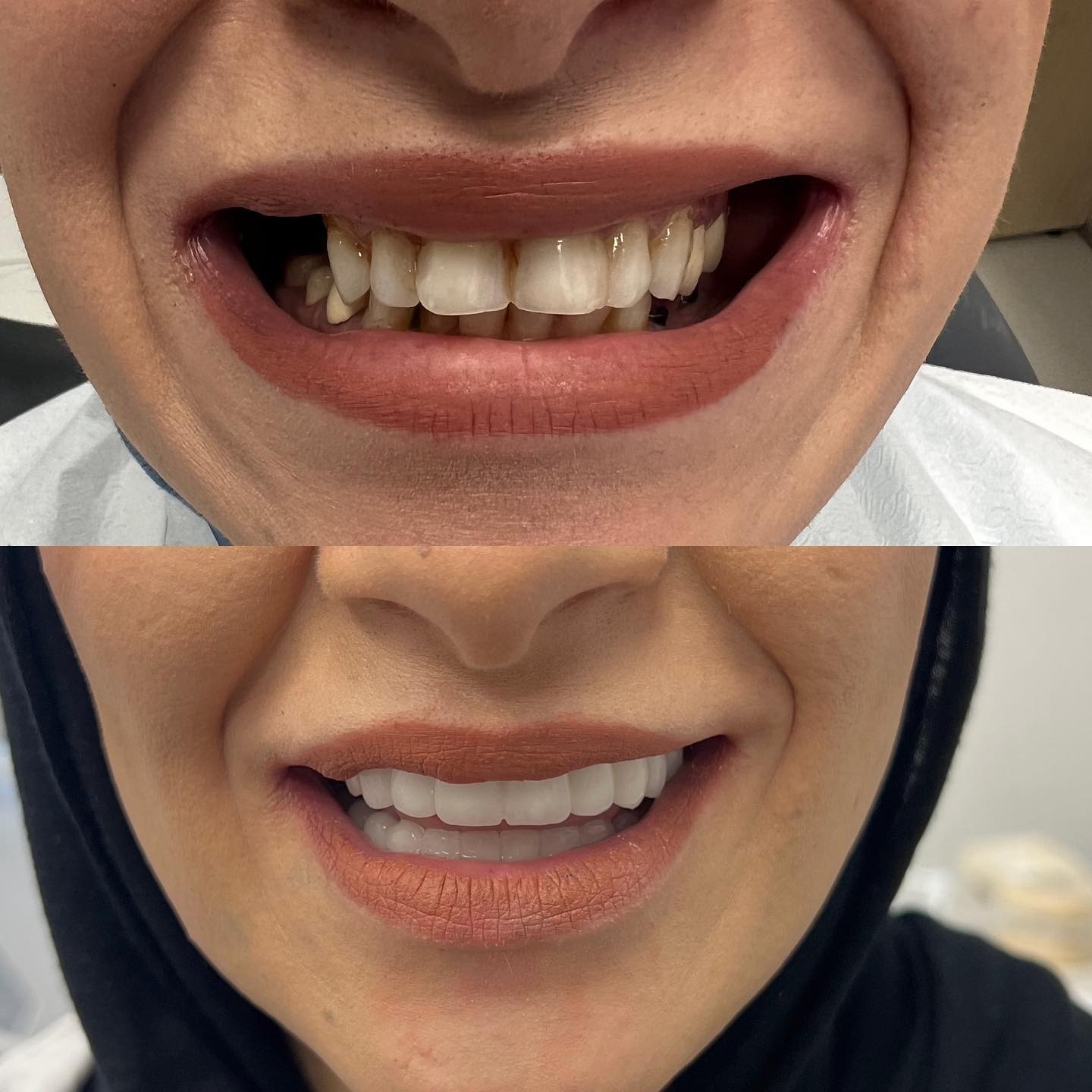
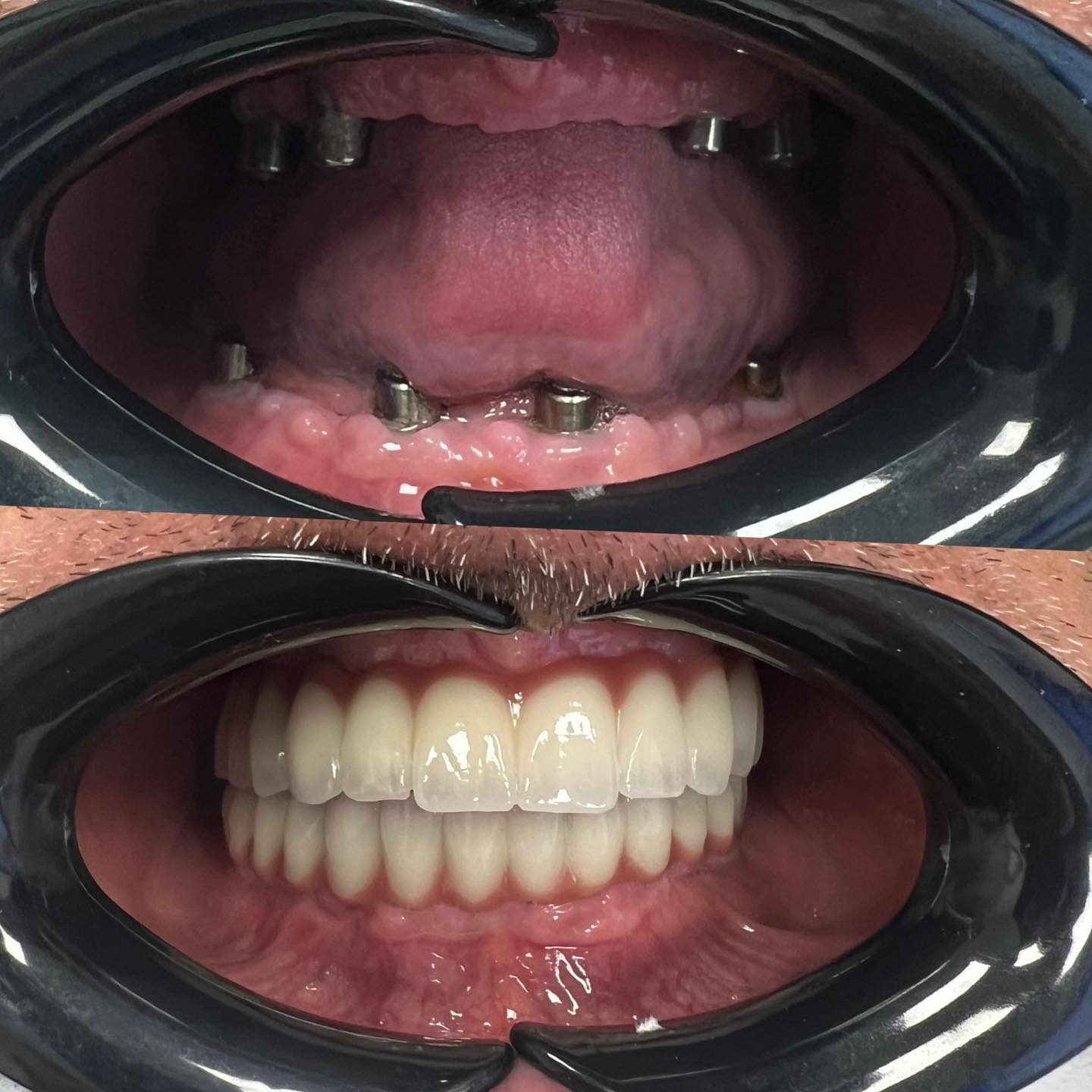
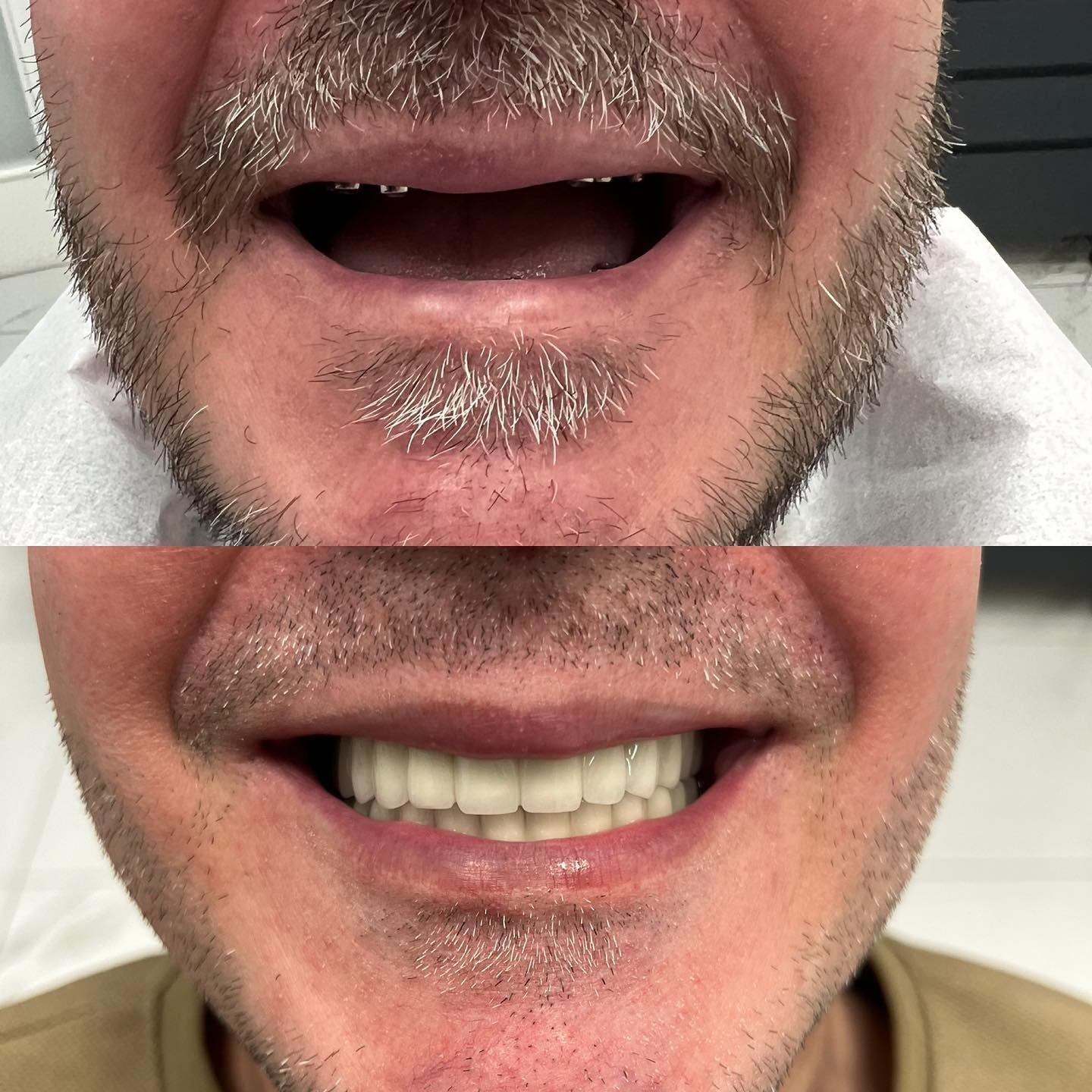
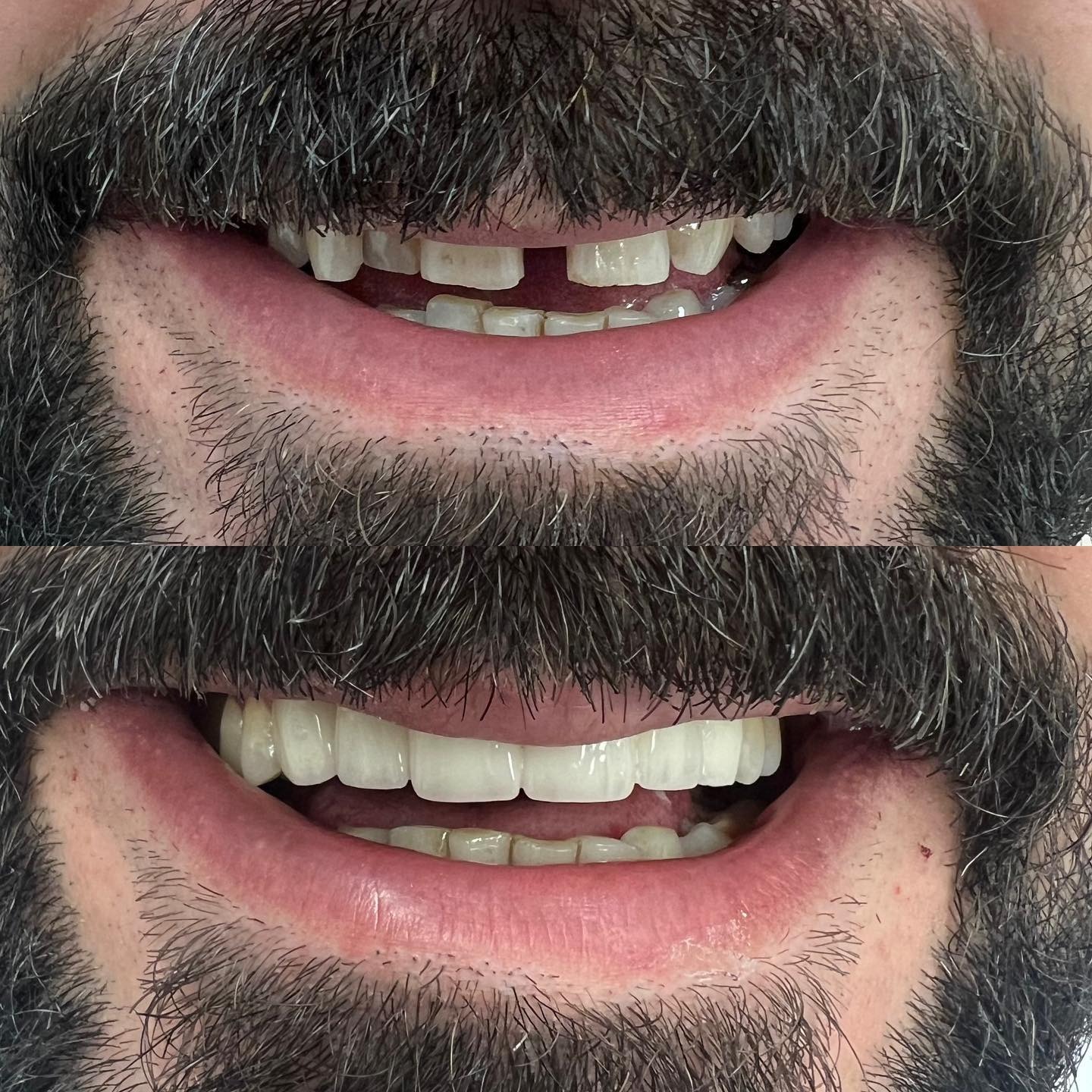
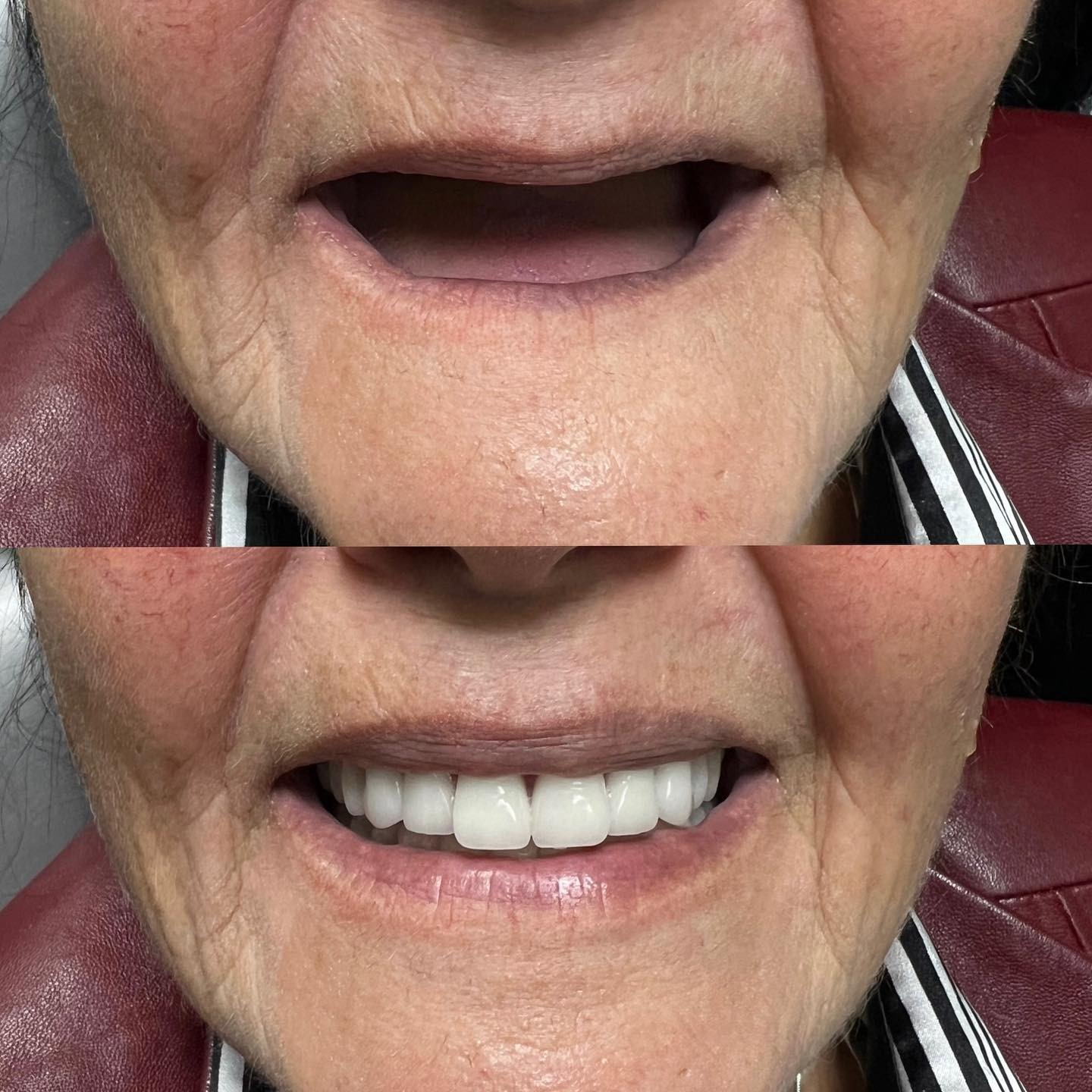
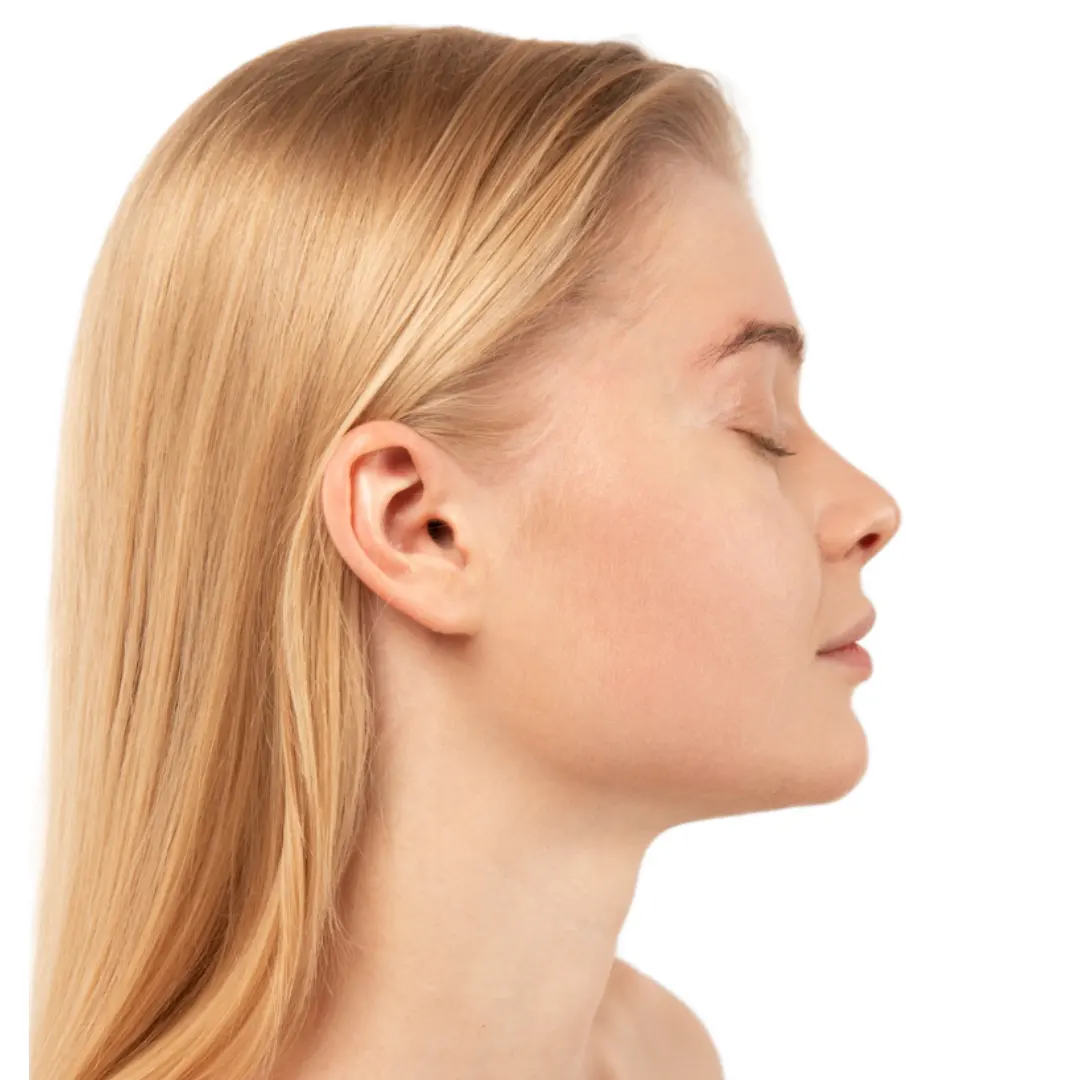
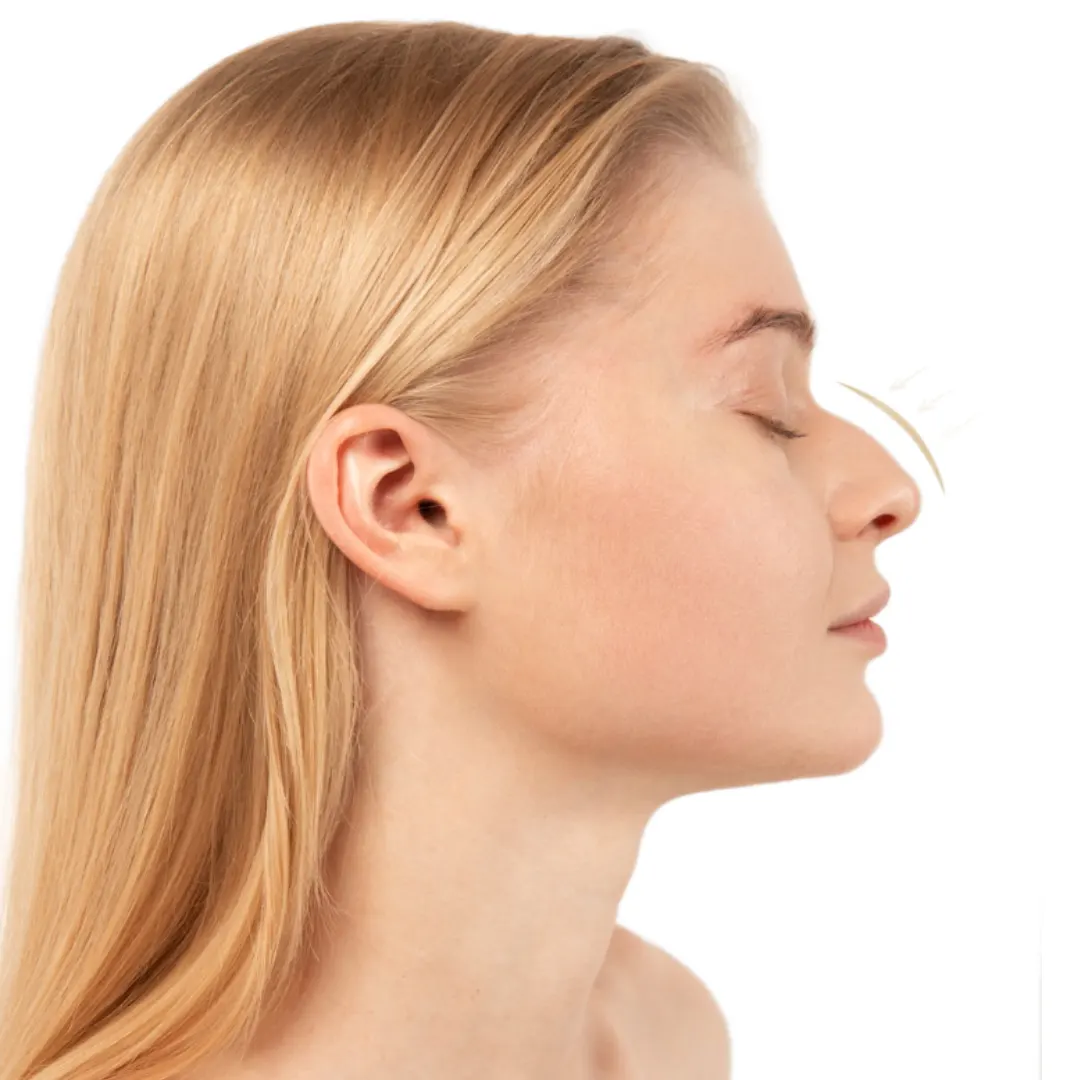


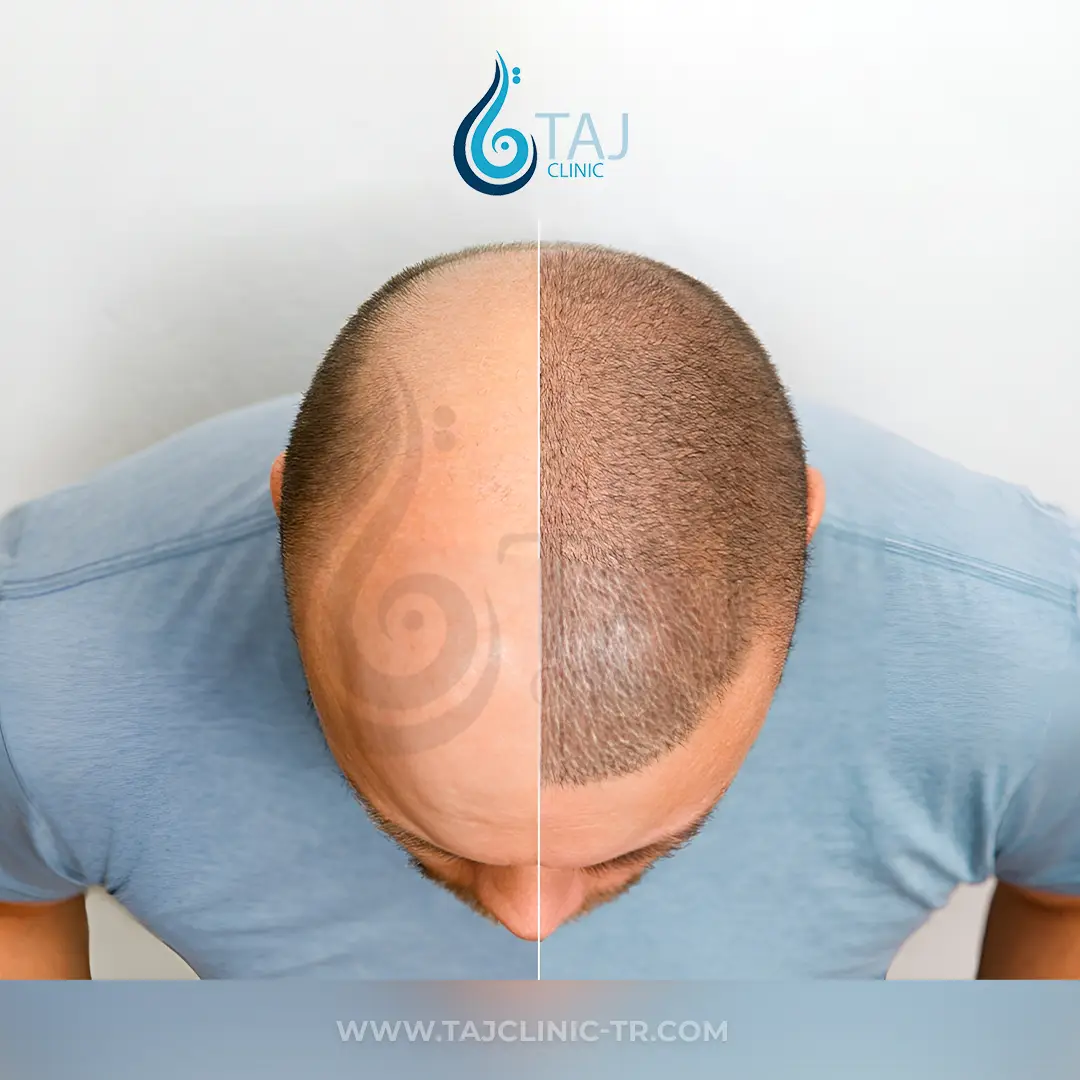
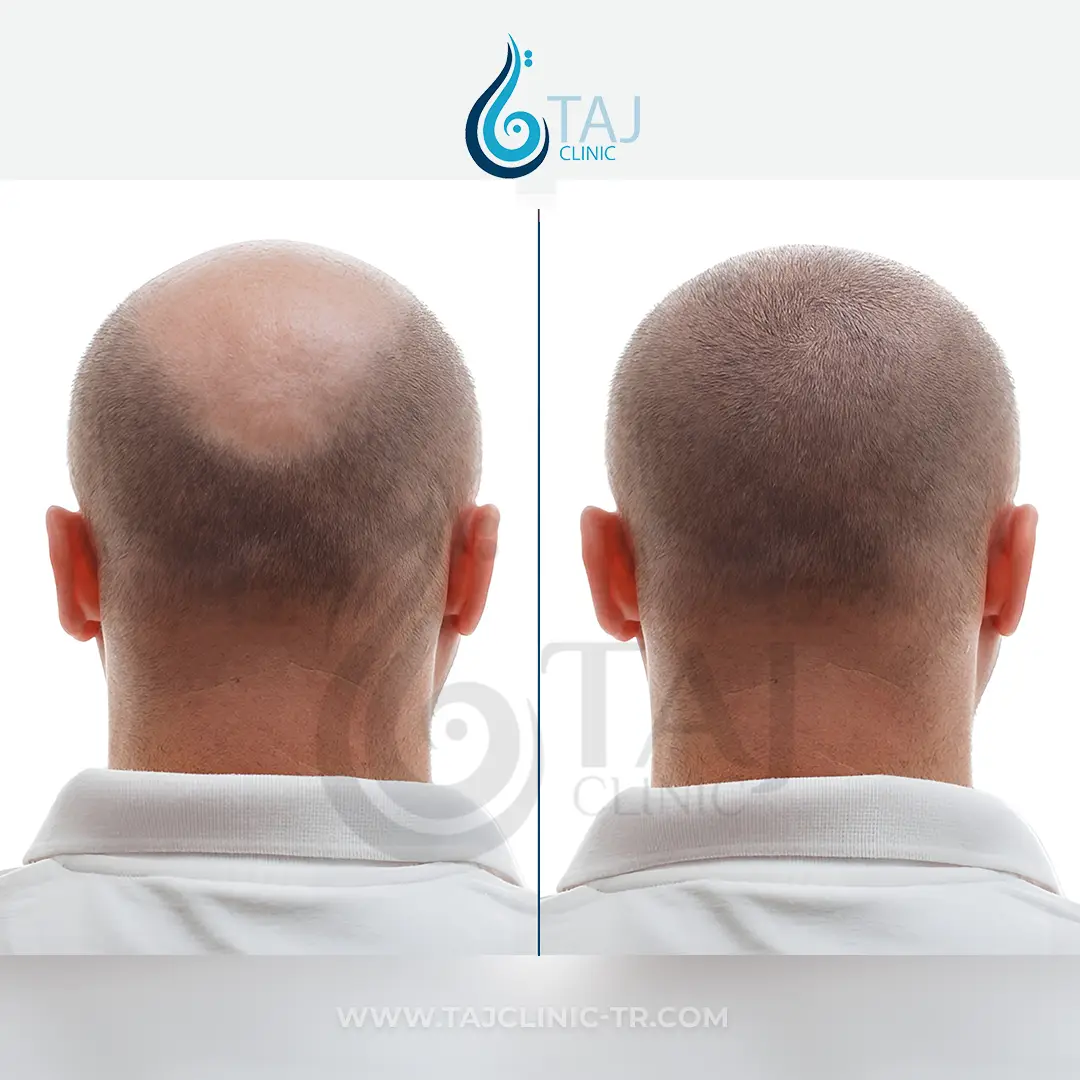
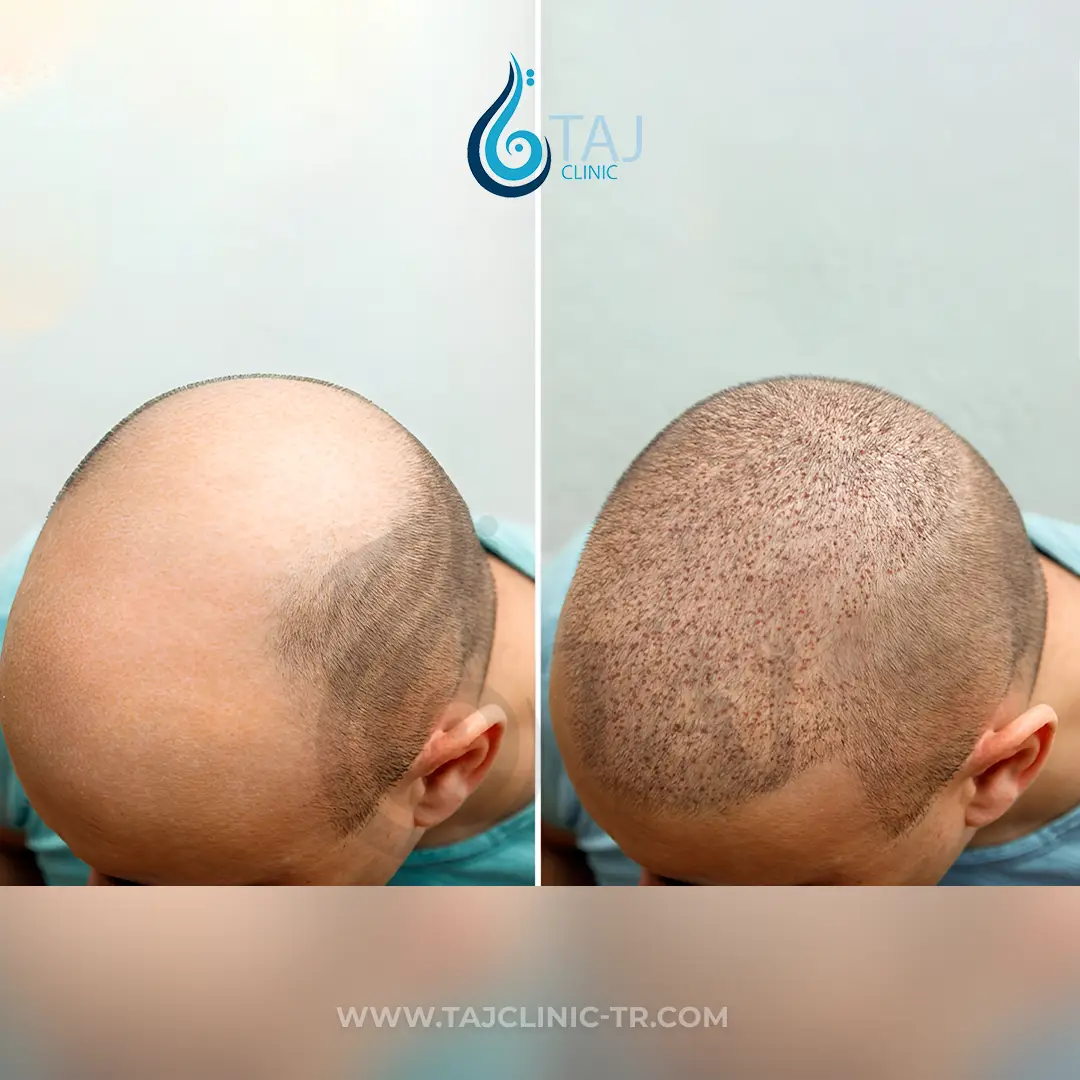
Frequently Asked Questions
In most cases, body sculpting surgery is considered a cosmetic procedure and is not covered by insurance. However, in some cases where the procedure is considered medically necessary due to a medical condition or injury, insurance may cover the cost of surgery.
Body contouring surgery refers to a variety of surgical procedures designed to reshape and contour the body. These procedures may include removing excess skin and fat, tightening muscles or changing the shape and size of certain parts of the body, such as; Abdomen and thighs, or arms and buttocks.
The cost of body sculpting surgery varies depending on the extent of the procedure, the surgeon’s experience, the location of the surgery, and the clinic’s prices. In general, the cost of body contouring surgery can range from $4,000 to $15,000 or more.
Non-surgical body sculpting refers to non-surgical or minimally invasive cosmetic procedures that can help reshape and define the body without the need for surgical intervention. Examples of non-surgical body sculpting procedures include CoolSculpting and SculpSure.
After rhinoplasty, patients are usually advised to avoid strenuous physical activities, lift heavy objects, blow their nose, and wear eyeglasses or sunglasses for several weeks to allow for proper healing.
Rhinoplasty is usually performed under general anesthesia, so the procedure itself is not painful. Some people may experience mild discomfort, swelling, and bruising after the procedure, but these symptoms can be managed with medications and cold compresses.
The duration of rhinoplasty can vary depending on several factors such as: The extent of the operation and the experience of the surgeon. On average, it can take 1-3 hours to complete.
Recovery time after rhinoplasty can vary depending on several factors such as the extent of the procedure, the patient’s general health, and adherence to post-operative instructions. On average, it may take 2-3 weeks for initial recovery and several months for the final results to be fully visible.
Rhinoplasty is a cosmetic or reconstructive surgical procedure that involves reshaping the bone and cartilage of the nose to improve its appearance or function.
Rhinoplasty, also known as rhinoplasty, is a surgical procedure aimed at improving the appearance and/or function of the nose by reshaping bone and cartilage.
The cost of rhinoplasty varies depending on several factors, such as the surgeon’s experience, location, and extent of the procedure. On average, it can range from $5,000 to $10,000 in the United States
Dental veneers can last between 5 to 15 years, depending on the materials used, the individual’s oral hygiene habits, and other factors. Regular dental checkups and proper care can help extend the life of veneers.
If teeth are not kept clean, decay can occur around or under the edges of the veneer, leading to further dental problems. It is important to continue brushing, flossing, and having regular dental checkups to prevent cavities and other dental problems.
Dental veneers are used to improve the appearance of teeth that are discolored, cracked, or have other cosmetic problems. However, other dental treatments may be necessary before veneers are placed if the teeth have significant decay or structural damage.
When placed correctly and taken good care of, veneers will not damage your teeth. However, if the veneer is not placed correctly, or when the underlying tooth structure is damaged during preparation, it can lead to problems such as sensitivity or cavities.