
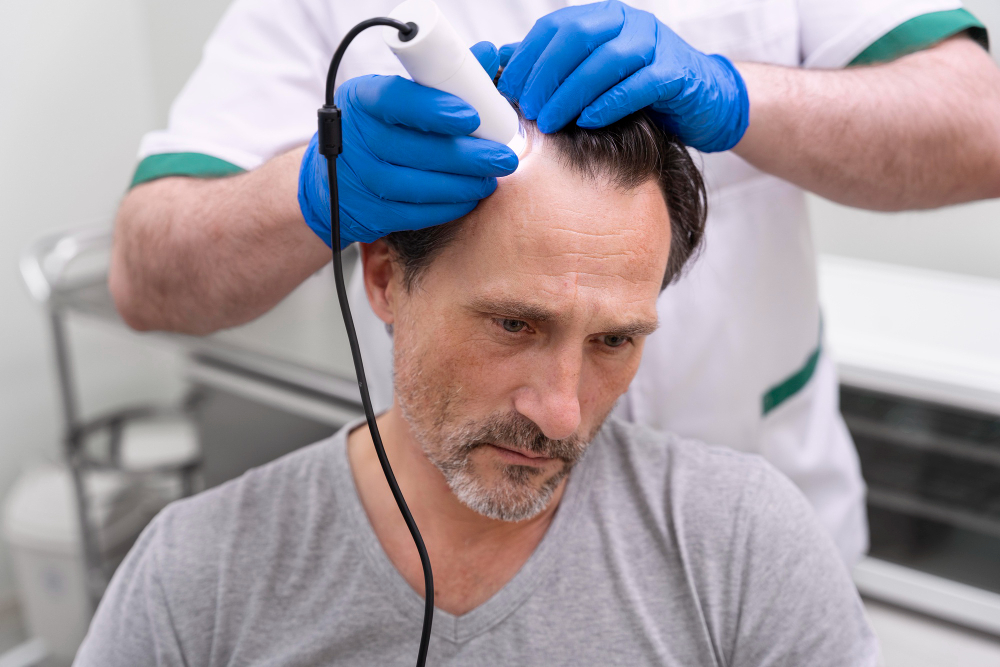
Description Hair transplantation DHI
Hair loss is a very common problem for many people. More than 85% of men suffer from hair loss by the age of 50, compared to 50% of women. Multiple solutions and techniques have been discovered over the past few years, and one of the latest and most effective techniques is the direct hair transplantation method, known as DHI.
Hair transplant surgery is mainly done by transferring hair follicles from the donor area to the recipient area (bald area). The doctor extracts hair follicles from the back of the head, which is called the donor area, and then transplants them in the bald areas to grow new hair.
The direct hair transplantation technique – DHI – is the advanced technique that followed the technique – FUE – which is the “follicular unit hair” technique and follows the same procedure. But, of course, there are some fundamental differences between these two technologies. One fundamental difference is that in the FUE technique, the doctor first needs to open the capillary ducts, and then transplant the hair follicles sequentially, one after the other. In the direct hair transplantation (DHI) technique, channels are opened and transplanted into the hair simultaneously, relying on its advanced device, the “Choi Pen.”

Who are the candidatesHair transplantation DHI؟
DHI hair transplantation technique is suitable for some cases only, it is not suitable for everyone. Men and women who suffer from androgenetic alopecia, also known as male or female pattern hair loss, are generally the best candidates for DHI hair transplantation.
To be a suitable candidate for DHI hair transplantation, you must meet the following criteria:
Age: The candidate must be over 25 years old; It is rare for hair loss to occur before this age.
General Health: A candidate for transplantation must have good general health.
Hair density: The patient’s donor area must contain enough follicles per square centimeter to suit hair transplantation.
Hair diameter: In general, people with thick hair achieve better results than people with thin hair.

Tips before proceeding Hair transplantation DHI
Like other operations, DHI hair transplantation requires some preparations to ensure a successful hair transplantation and to avoid any side effects. Here are some basic instructions that the patient must follow carefully:
- Refrain from drinking alcohol at least a week before hair transplantation, as it weakens the effect of anesthesia.
- Stop smoking for at least two weeks before hair transplantation.
- Refrain from drinking natural blood thinners such as green tea and pineapple juice.
- Stop taking blood thinning painkillers such as; Aspirin and ibuprofen components.
- Follow a healthy and balanced diet before hair transplantation with the DHI technique to avoid any complications that may occur during or after the procedure.
What are the stages Hair transplantation DHI؟
The DHI hair transplant process goes through several stages:
The first stage: In this stage, the density of the donor area, the baldness area, and the number of follicles to be harvested are determined. Then the expert draws a new, natural hairline.
The second stage: The patient undergoes some necessary examinations and tests, such as blood and skin tests.
The third stage: In the DHI technique, only the donor area is shaved for easy extraction of the follicles. Then the patient is given local anesthesia to avoid pain.
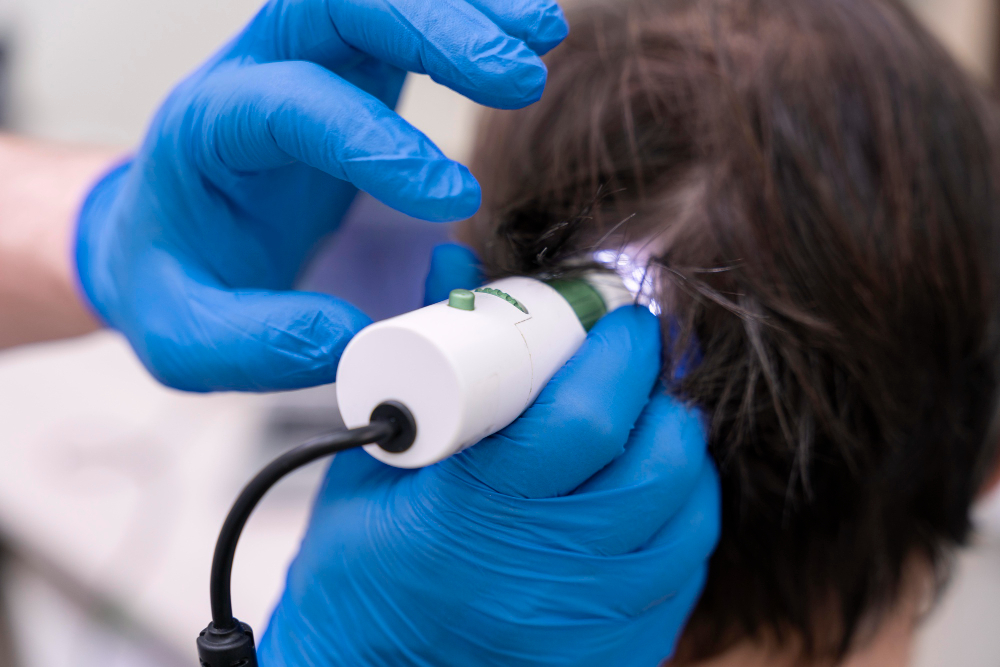
The fourth stage: During this stage, the doctor begins to extract the hair follicles from the donor area using a micromotor. The hair follicles are then placed in a saline solution called Hypo Thermosol to keep them alive for as long as possible after being extracted from the scalp.
The fifth stage: The final stage is hair transplantation. When using the DHI technique, hair follicles are placed in Choi pens that open the channels and implant the grafts simultaneously, with just one click.

What to expect next of Hair transplantation DHI؟
- It is recommended to use plasma needles, known as PRP, to strengthen the transplanted follicles.
- Cold laser sessions are also recommended to stimulate blood circulation, restore hair vitality, and strengthen the transplanted hair follicles.
- Hair vitamins help promote hair growth, so it is highly recommended to take some after a hair transplant.
Patients can notice hair growth and see results over some time. After six months, the patient can begin to see the growth of hair follicles. The complete final result will be completed after a full year.
When you decide to undergo a hair transplant, make sure you choose your hair transplant clinic wisely and carefully. Despite the simplicity of the process, if it is not carried out by specialists and with high-quality techniques, it may lead to undesirable results.
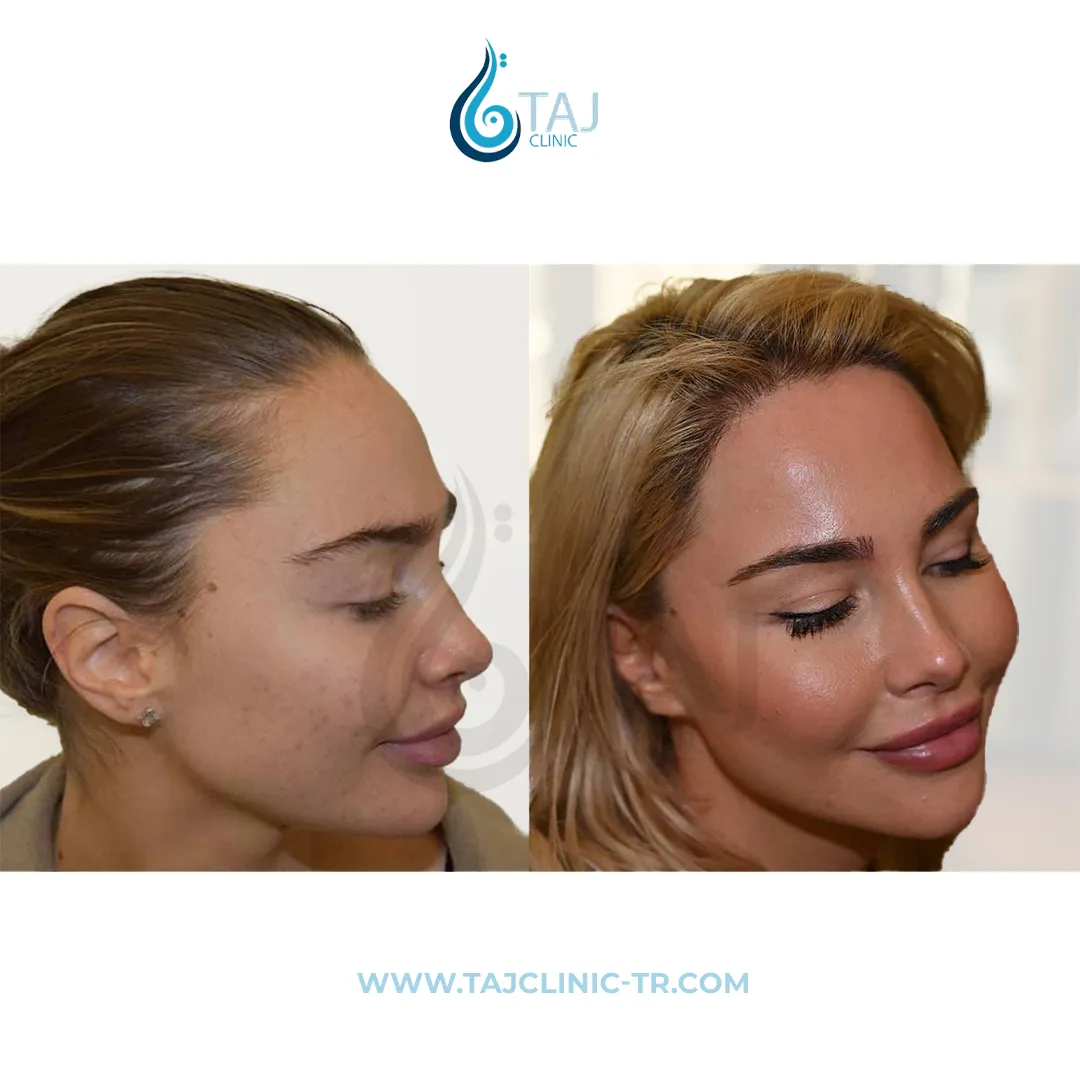
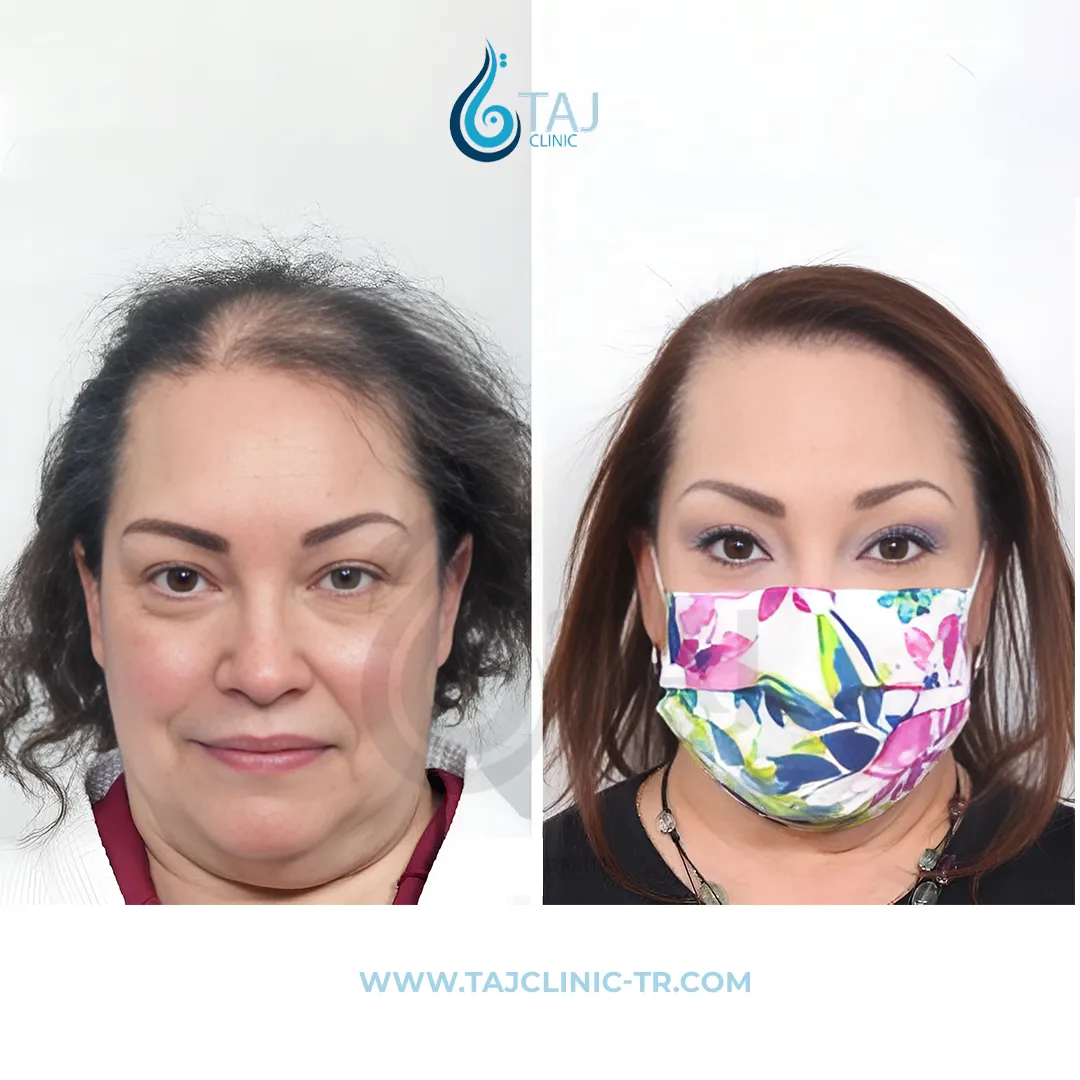
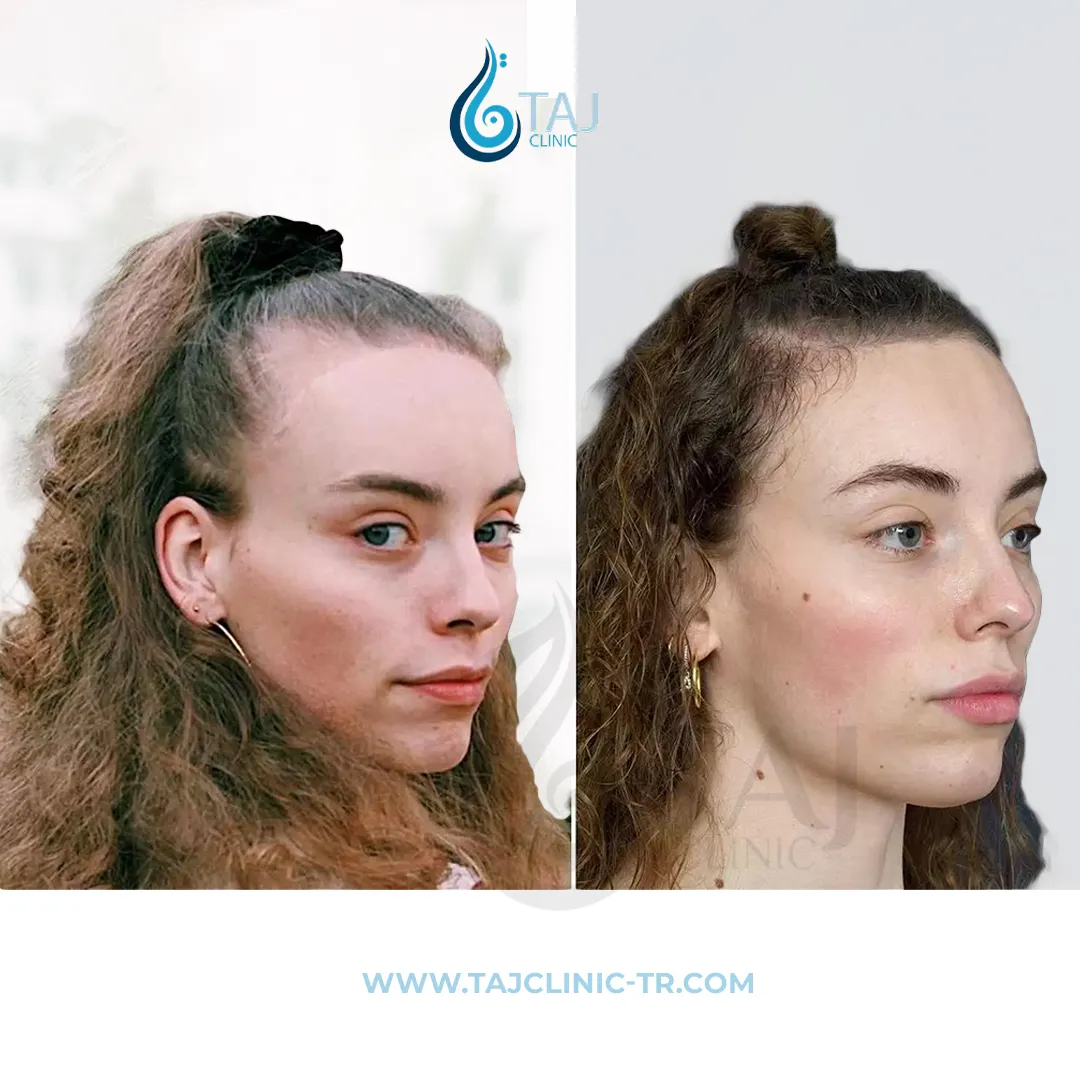
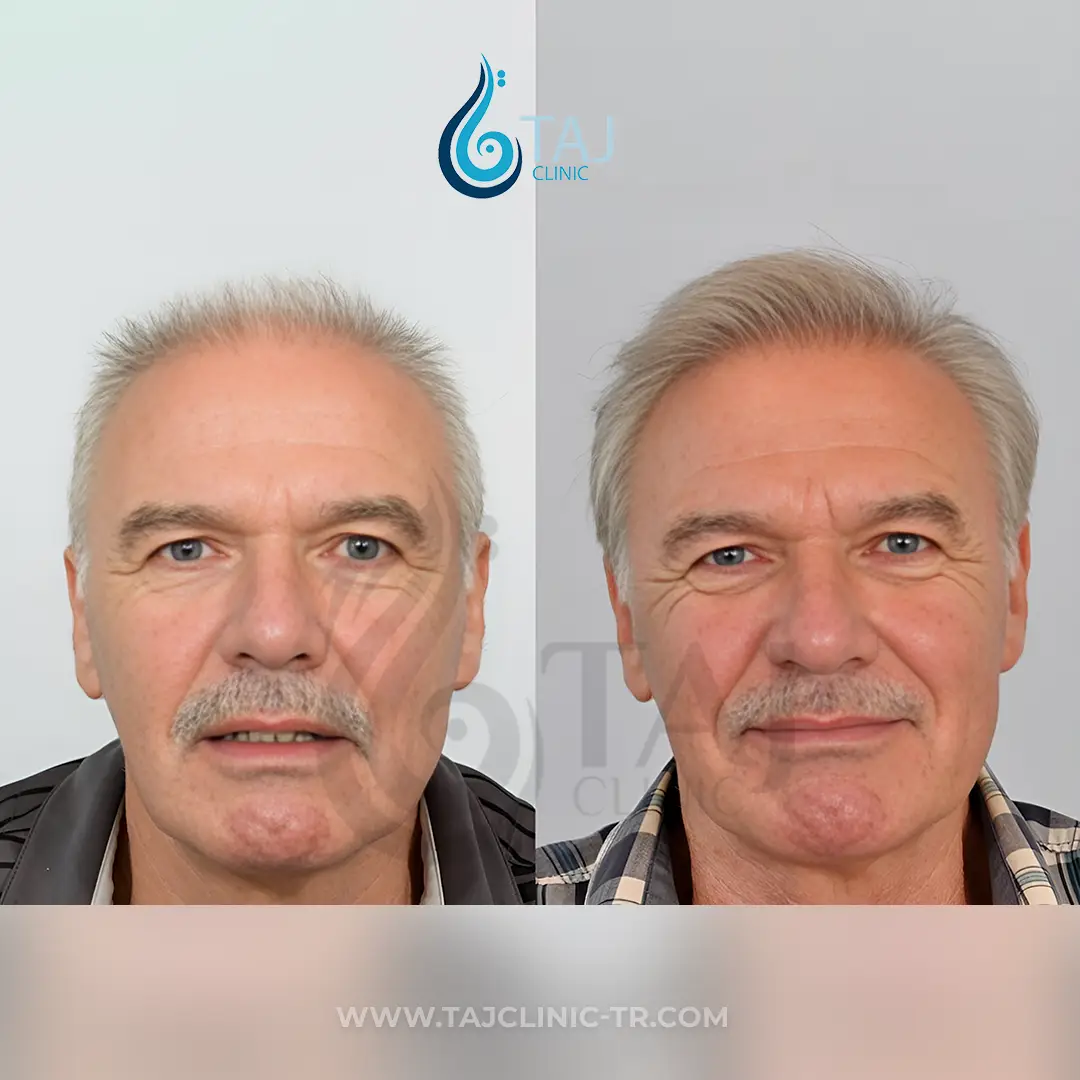
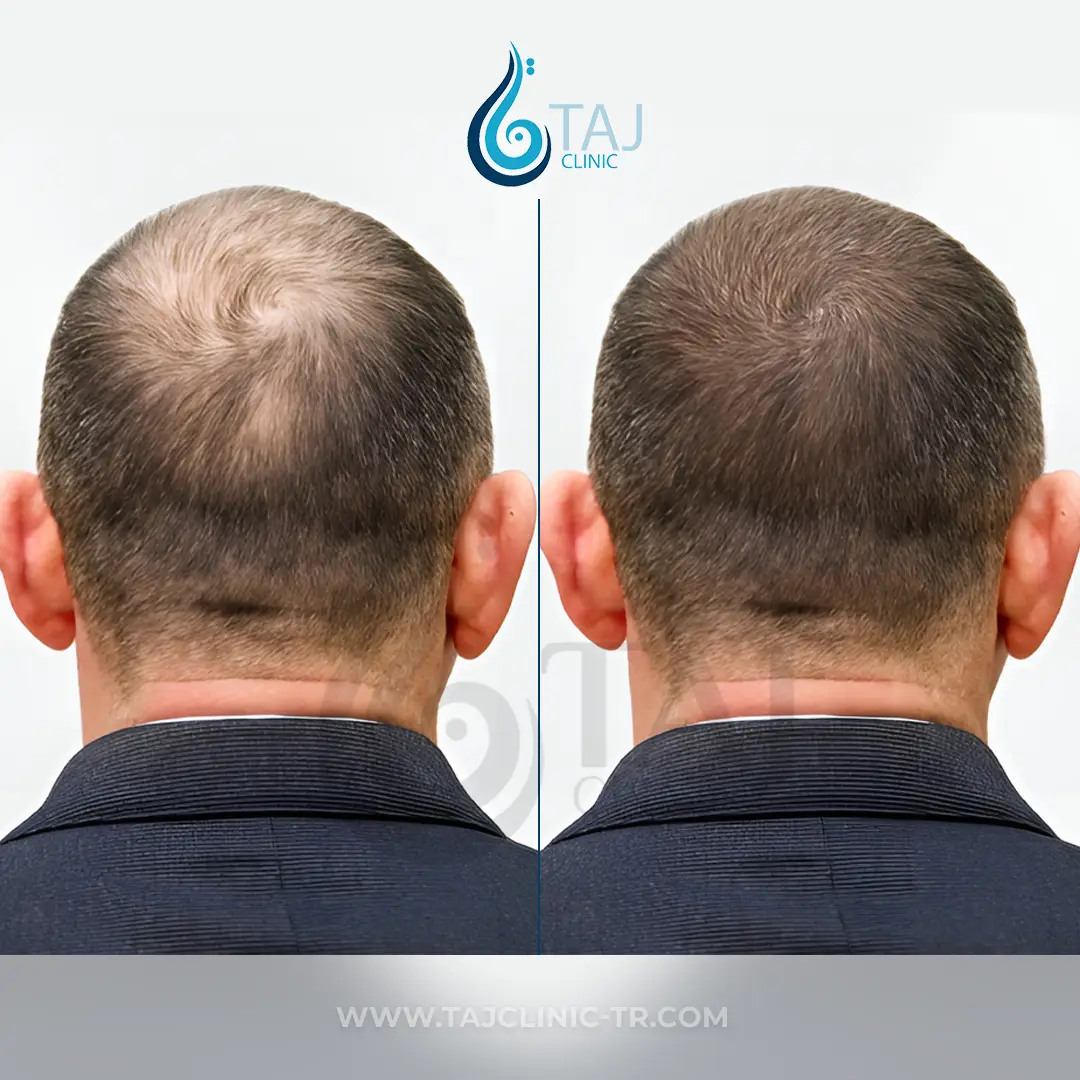
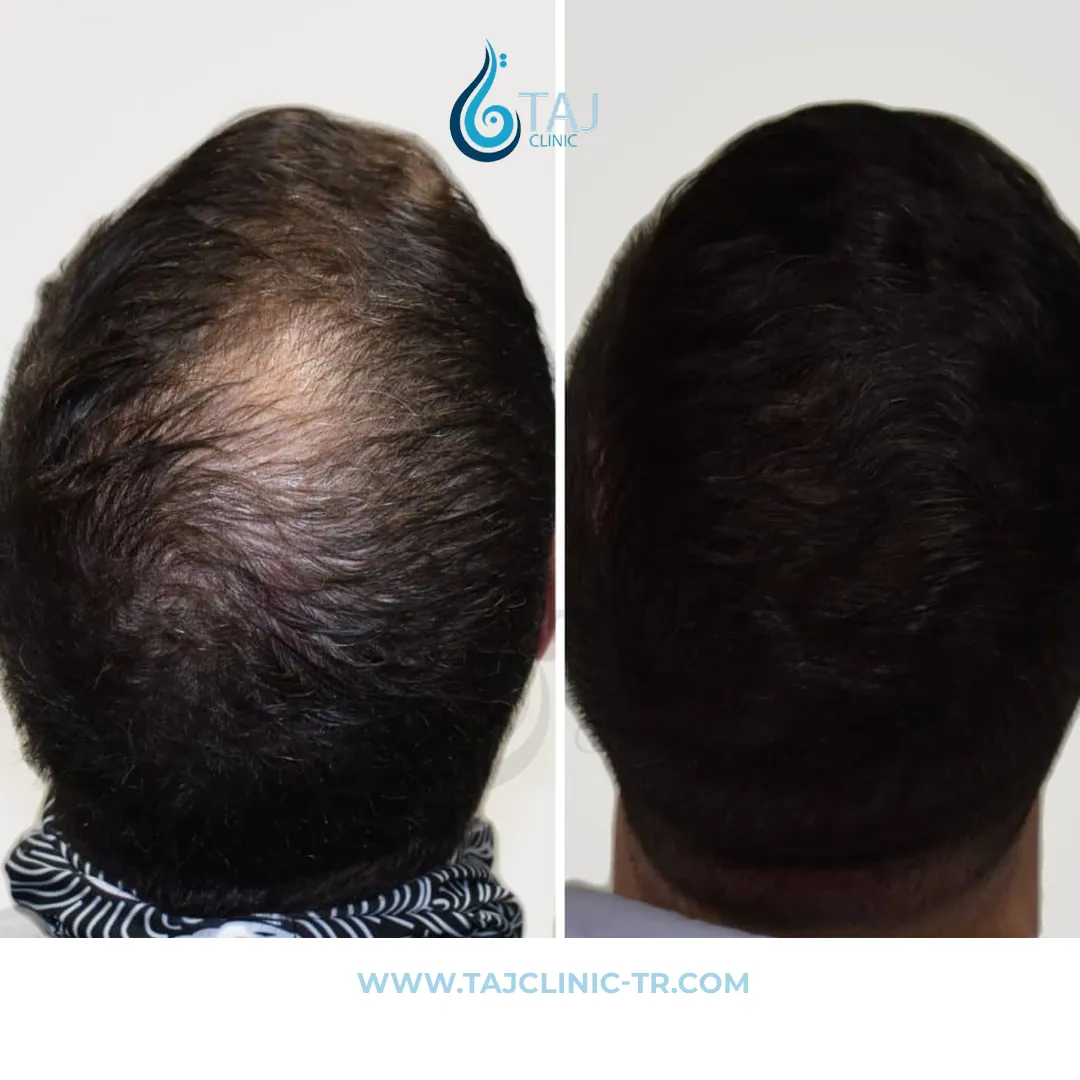
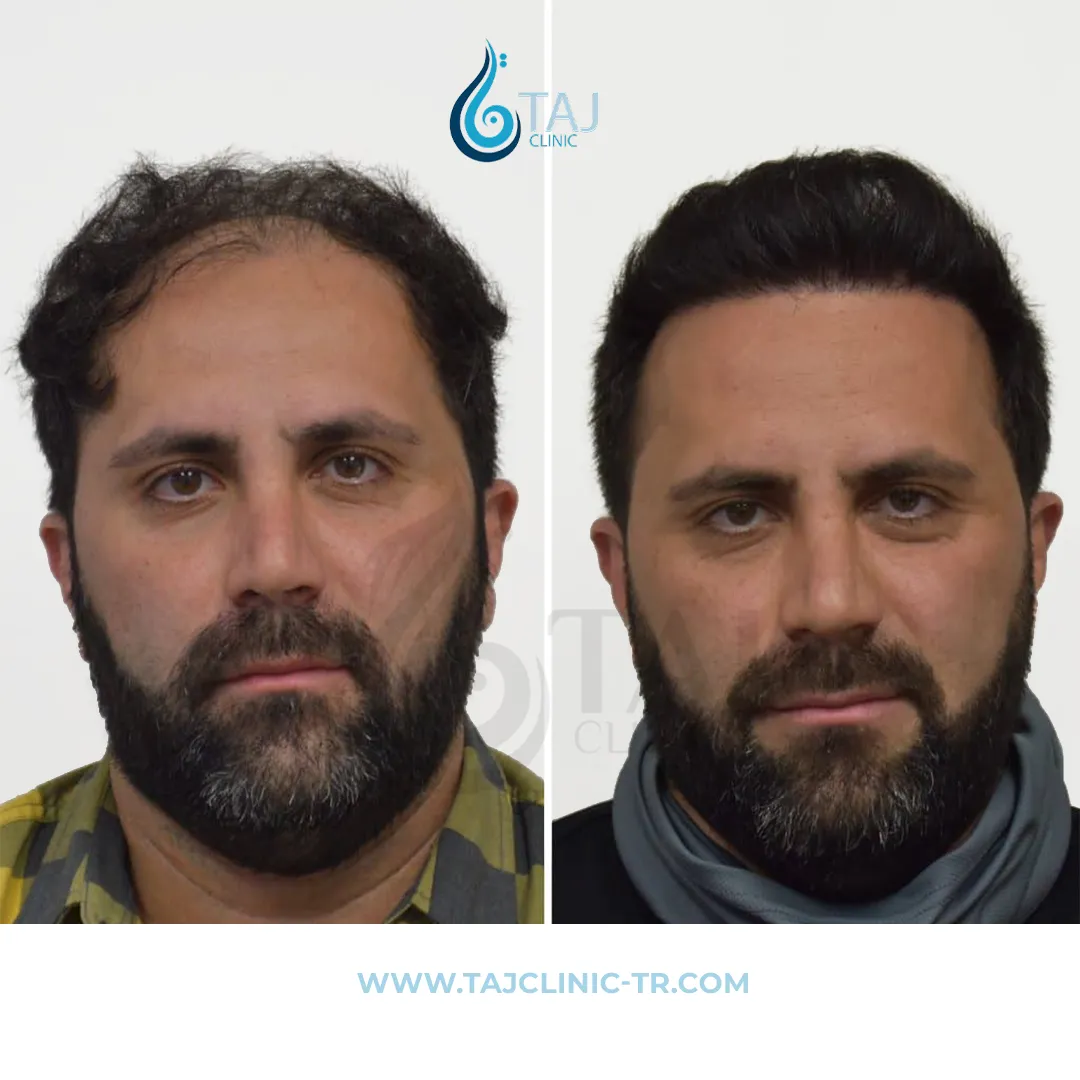
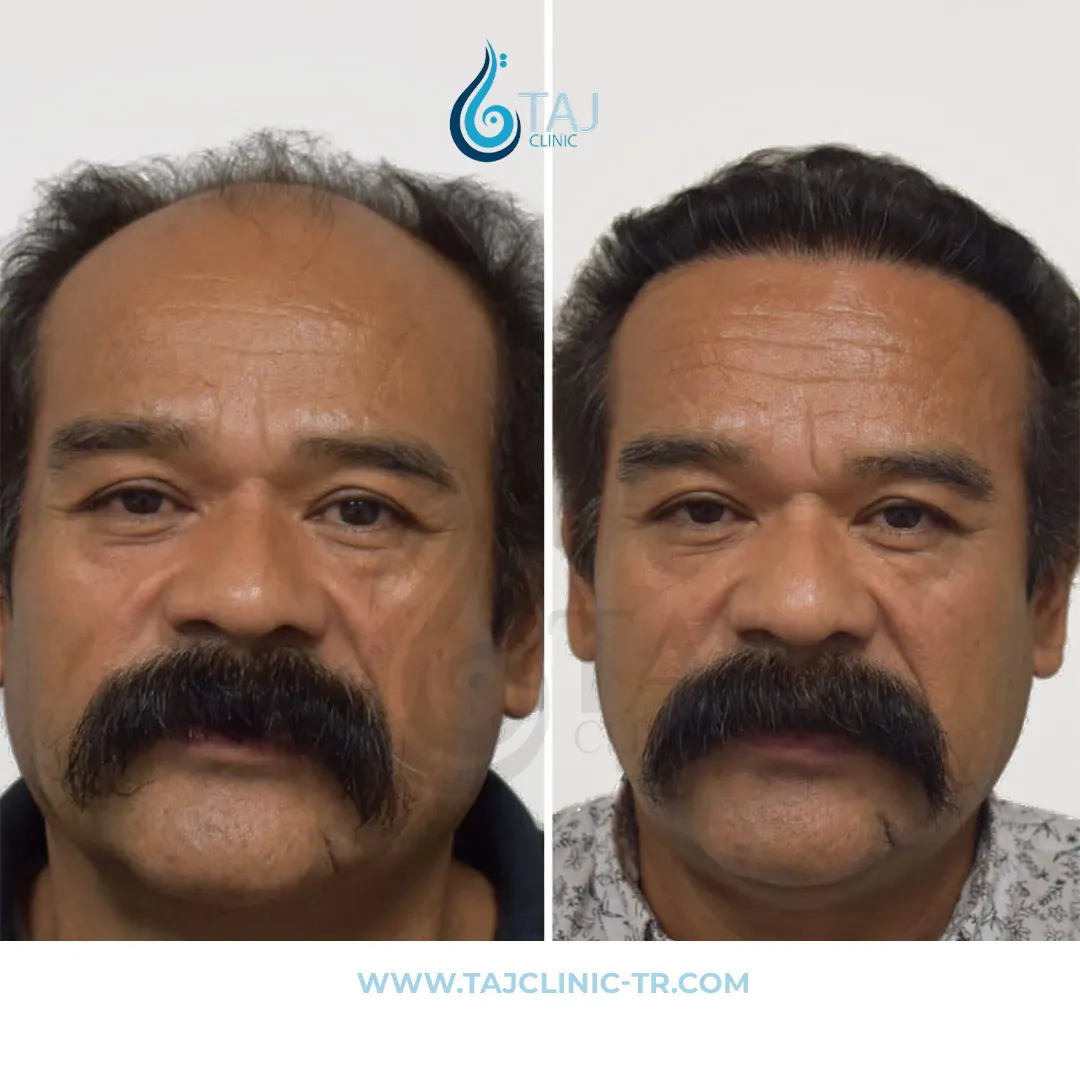
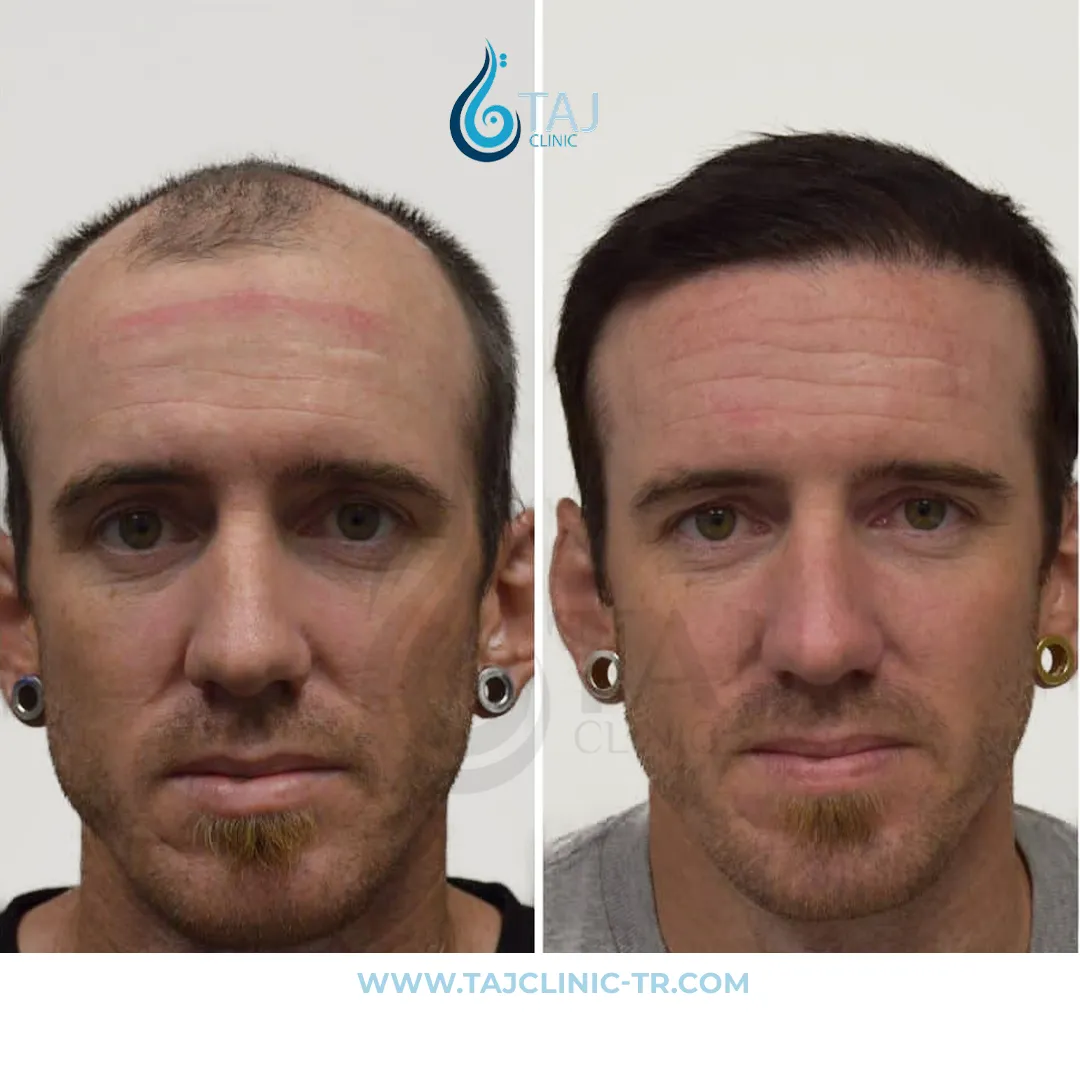
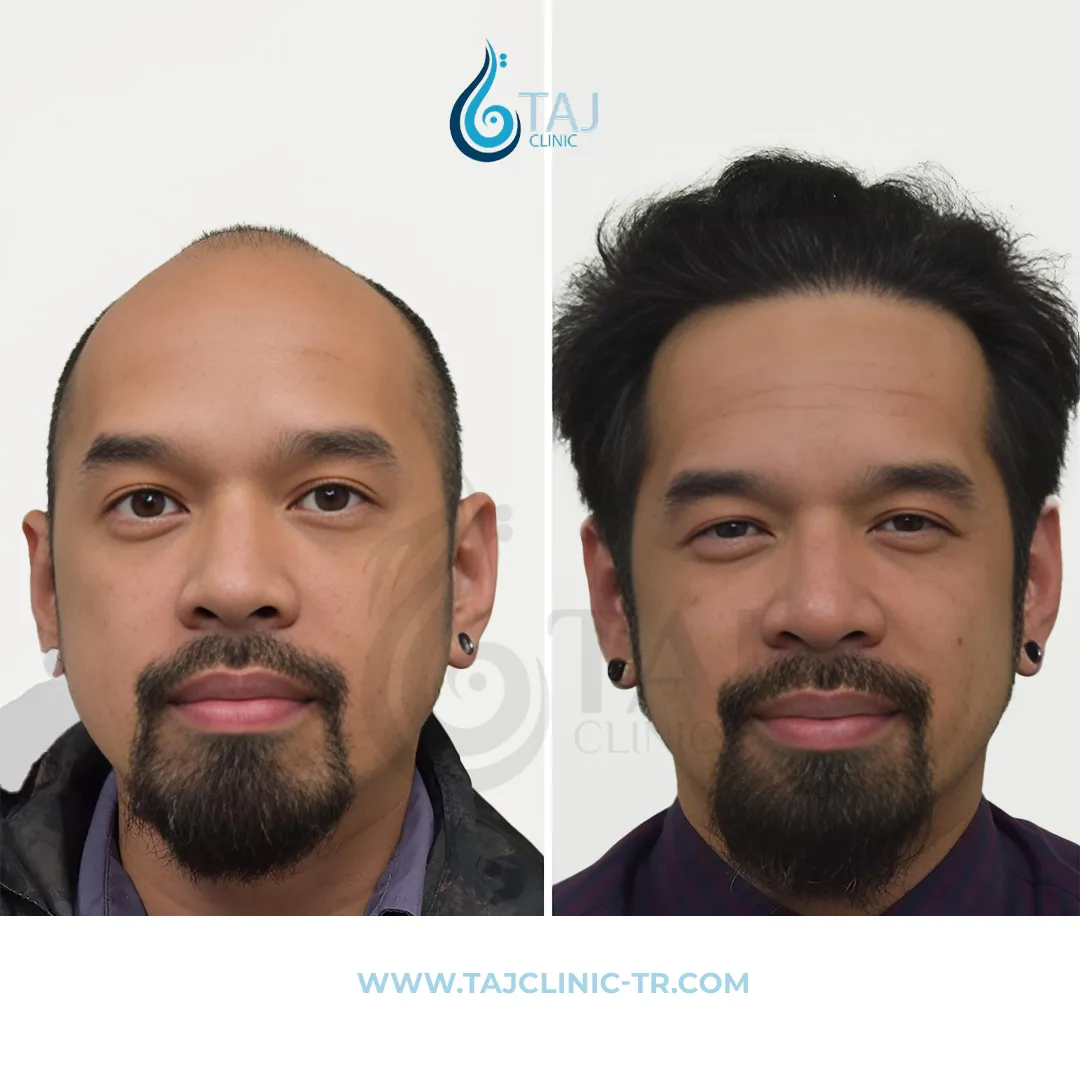
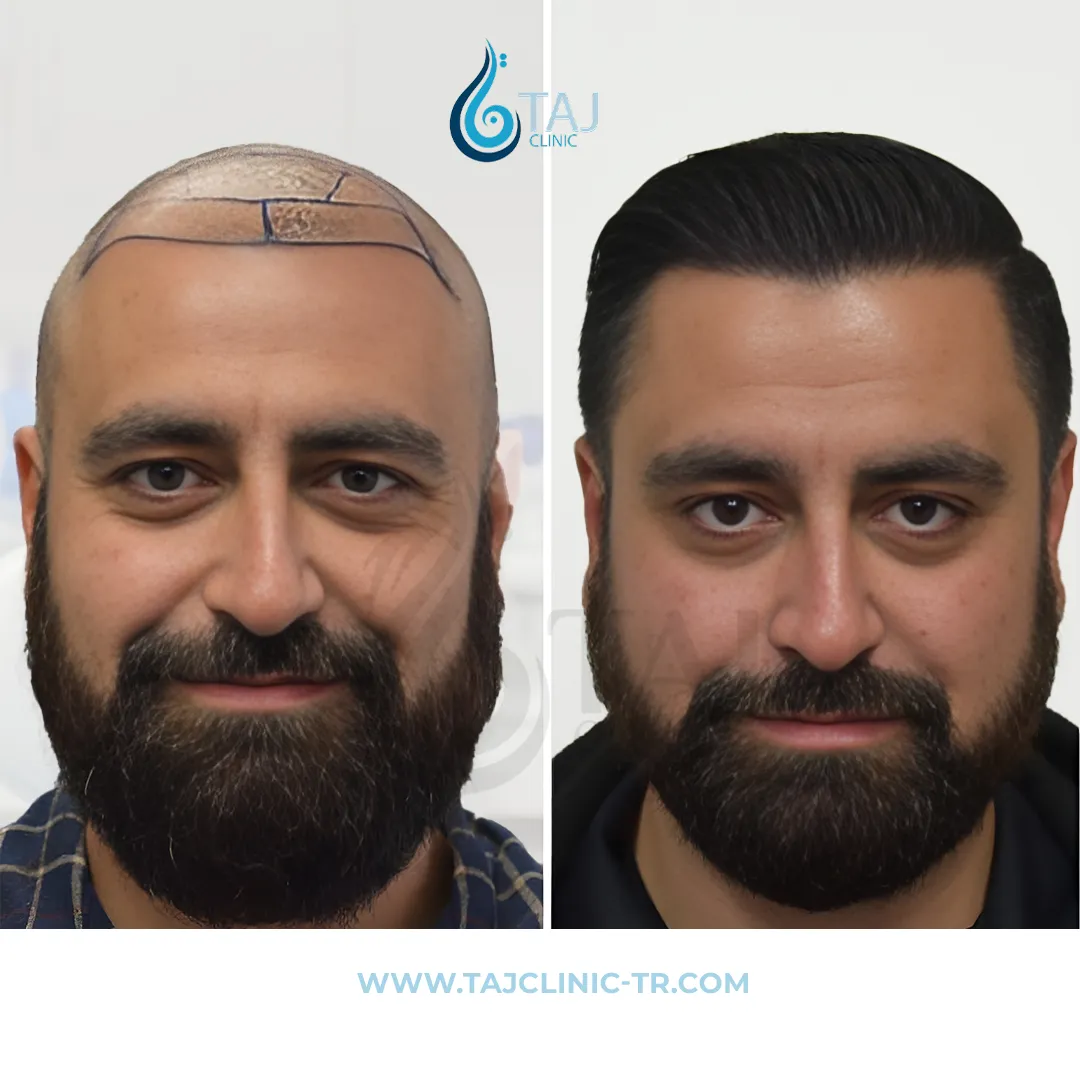
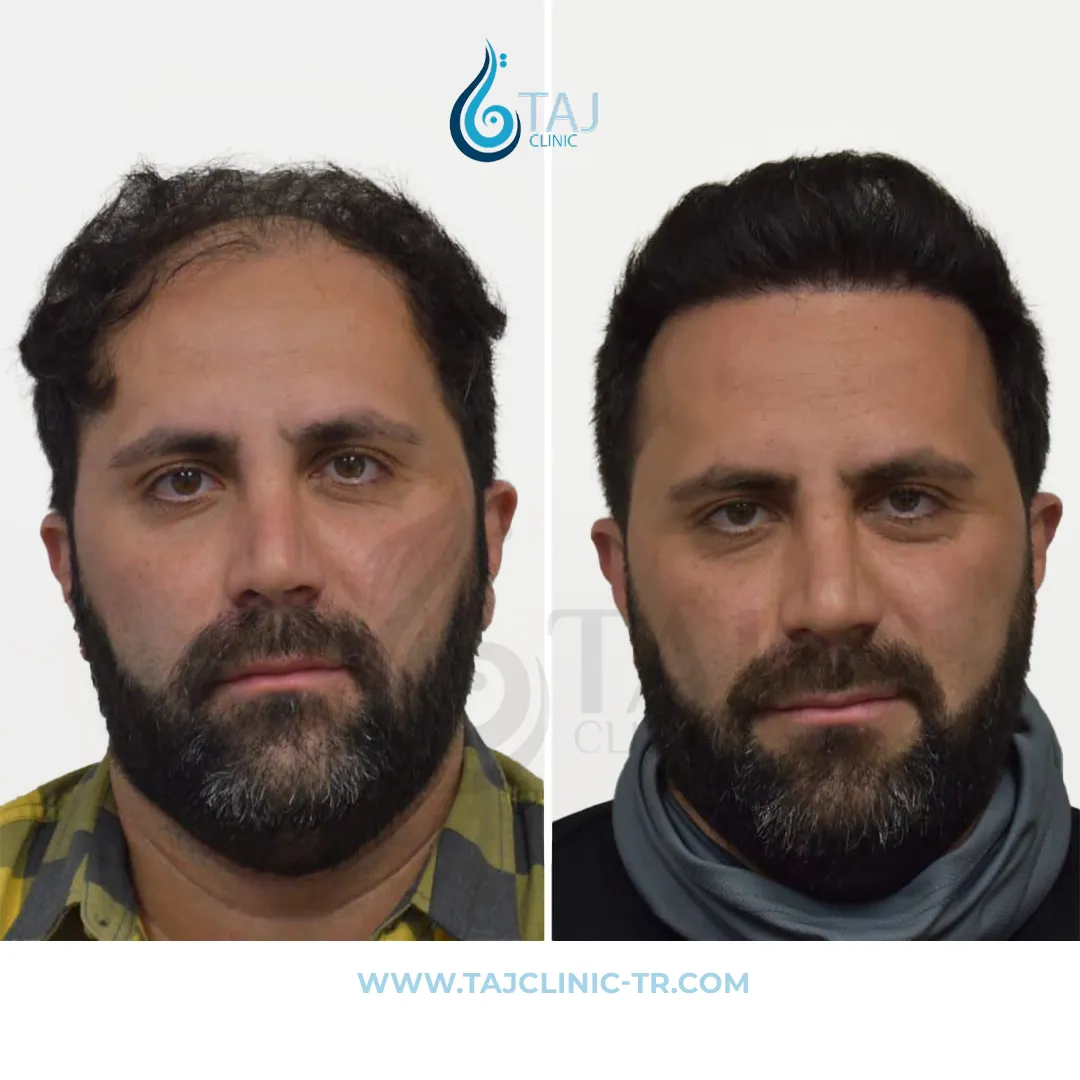
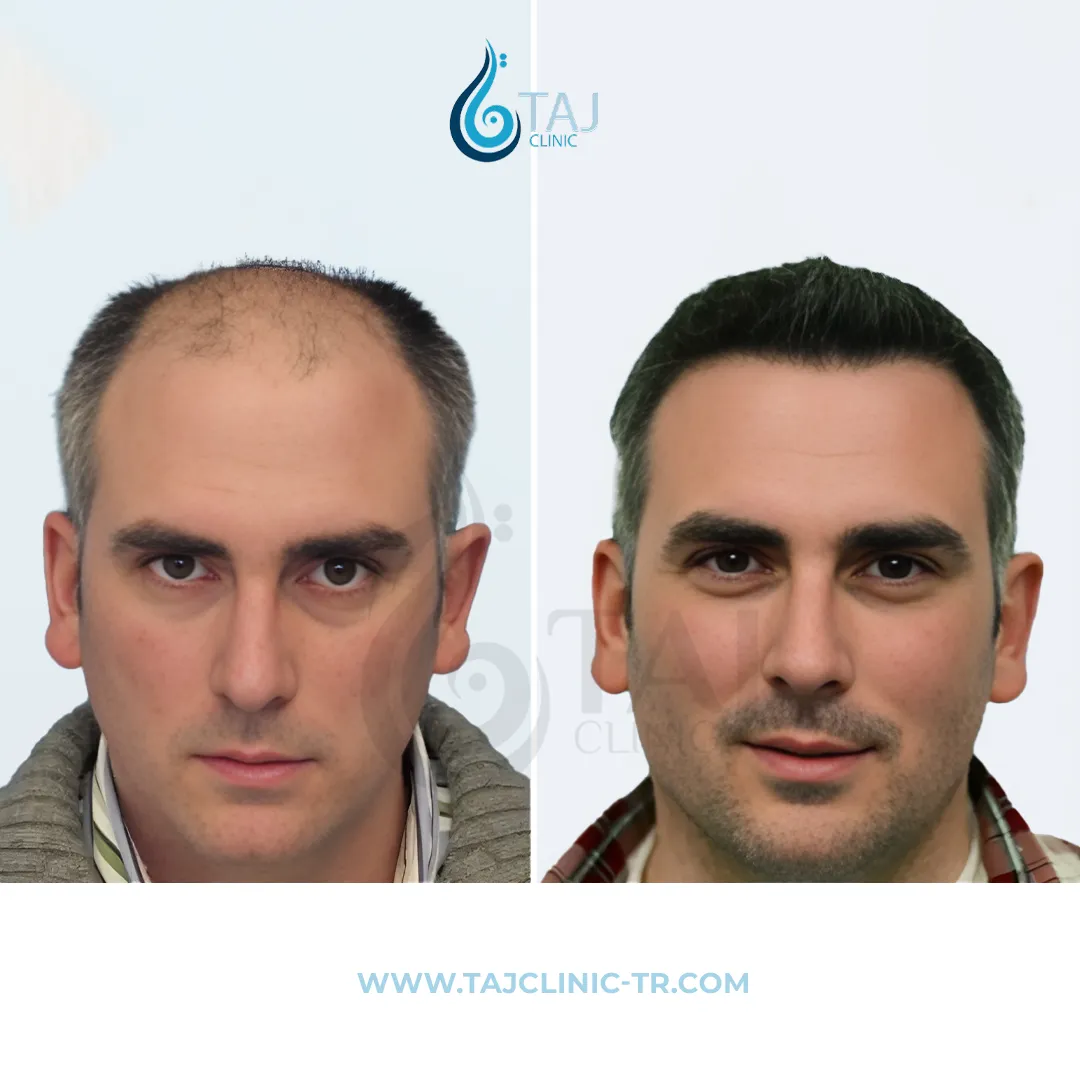
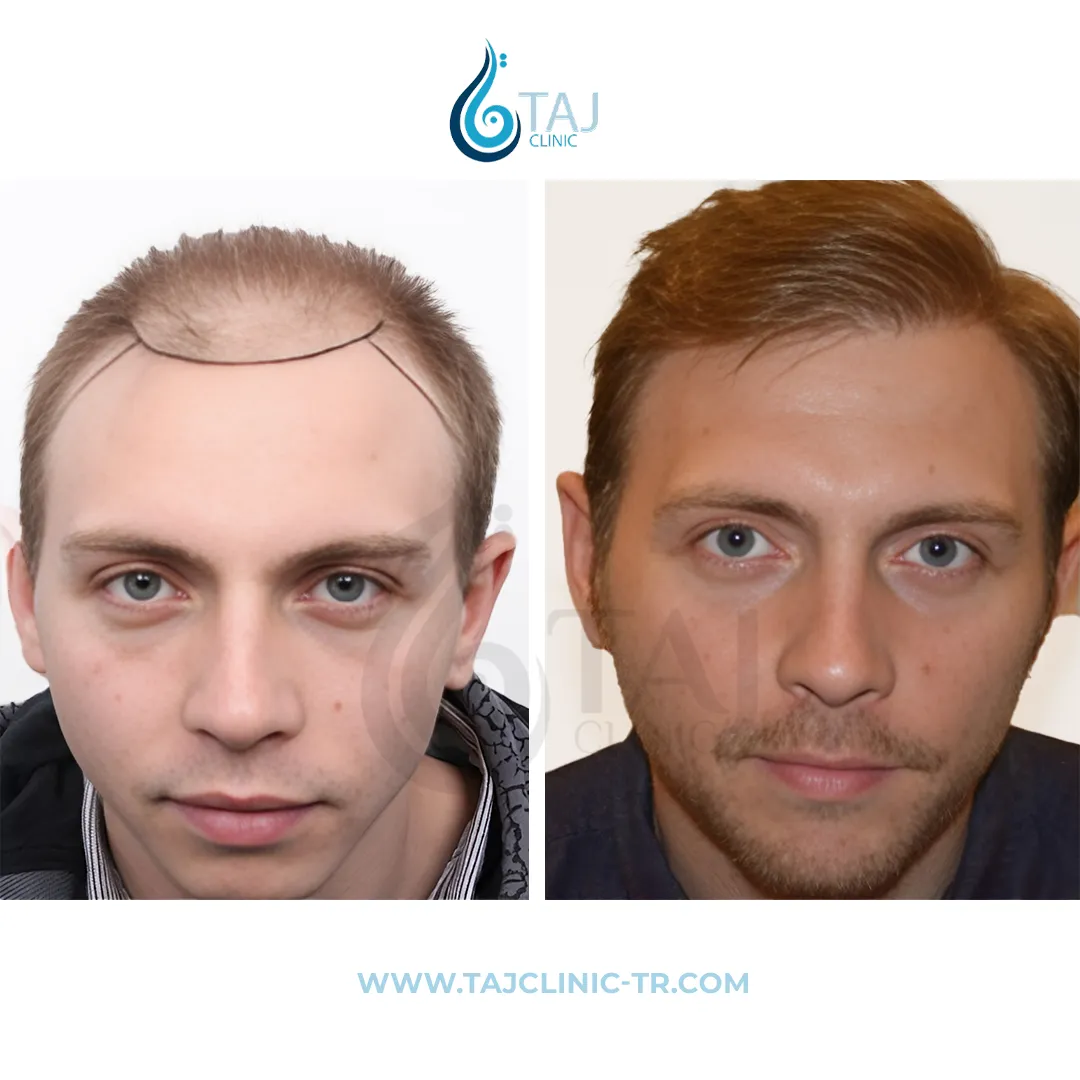
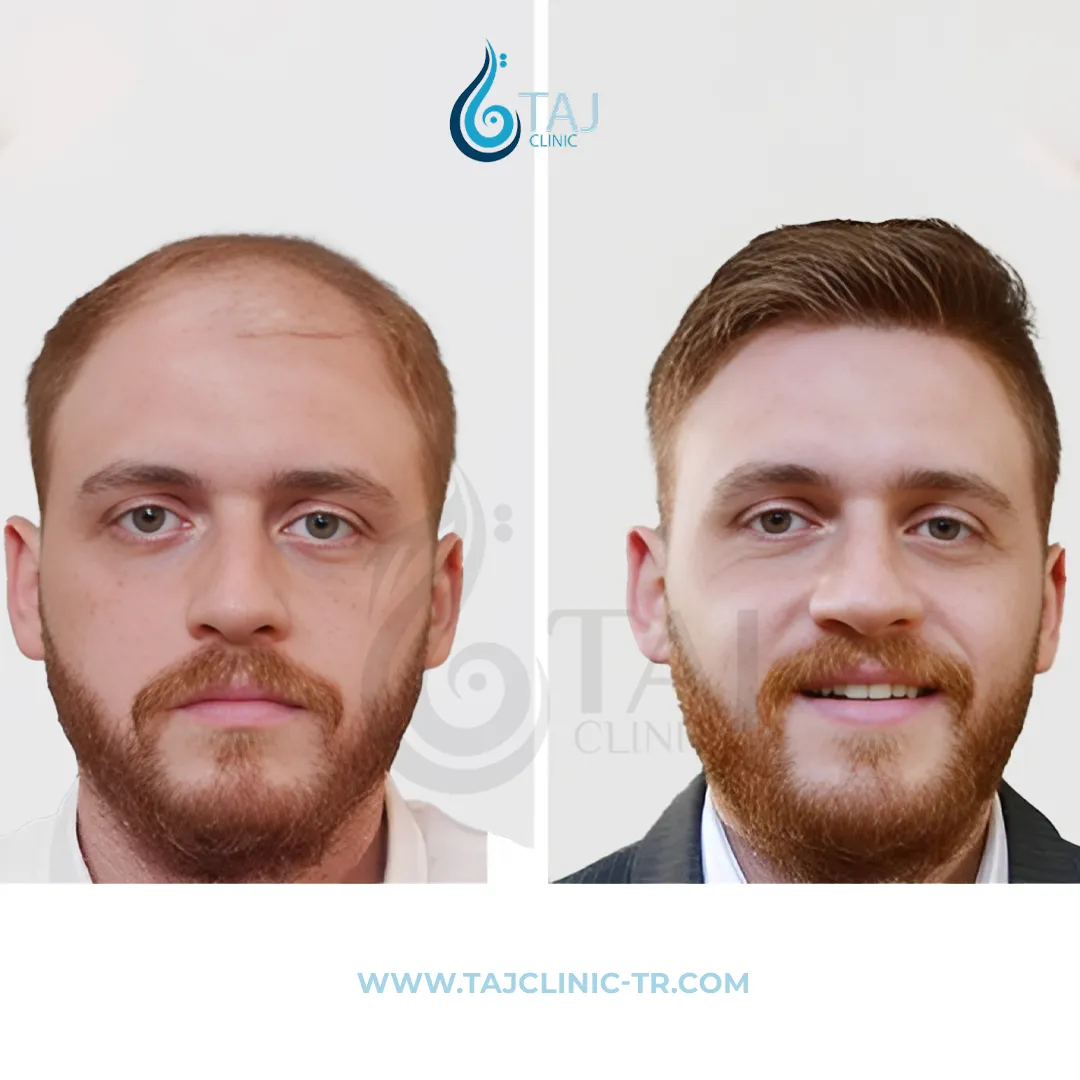
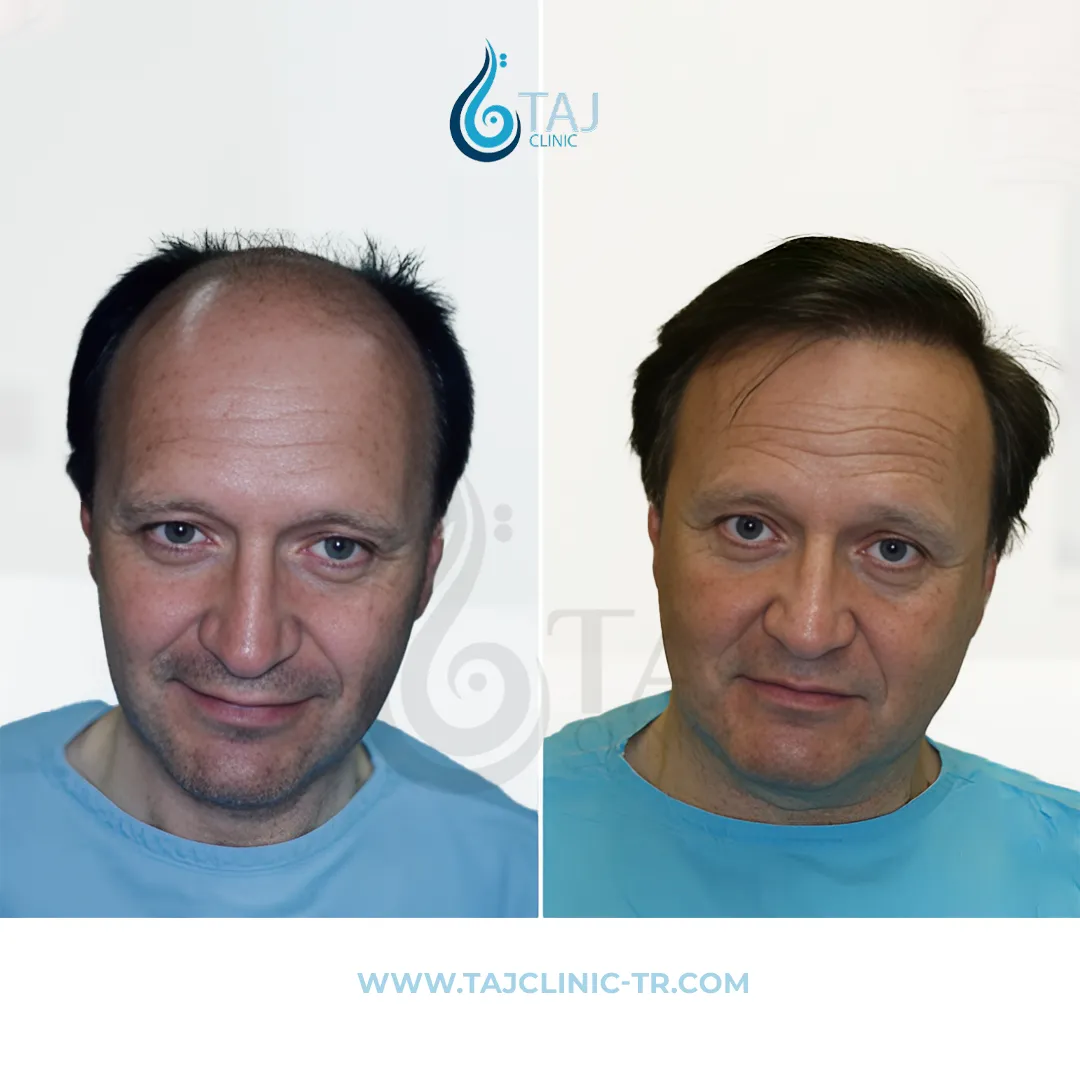
Always ask for before and after photos of patients from the hair transplant clinic you consult. Ask how much the entire trip costs and what is included in that cost to make sure you get the best service for your money.
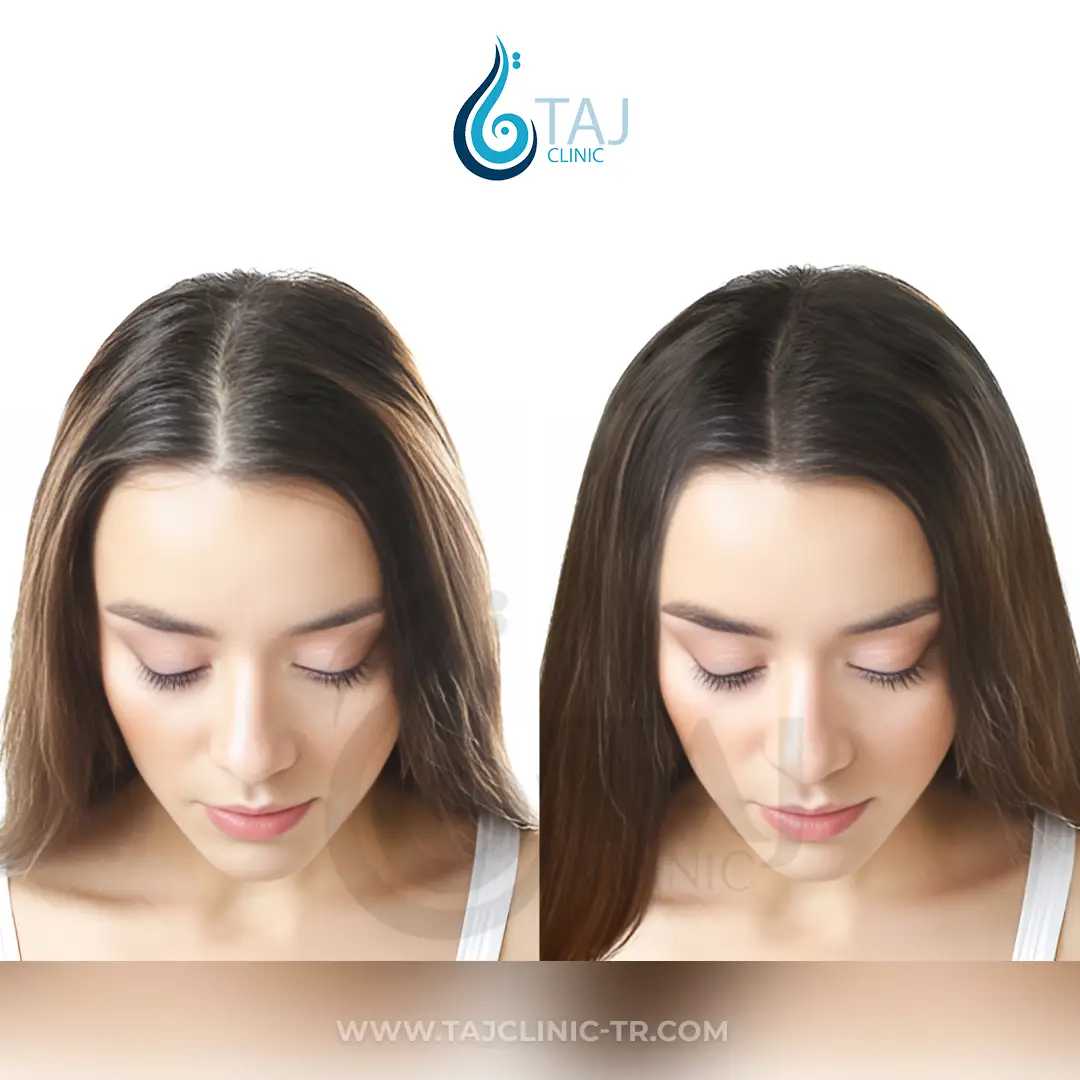
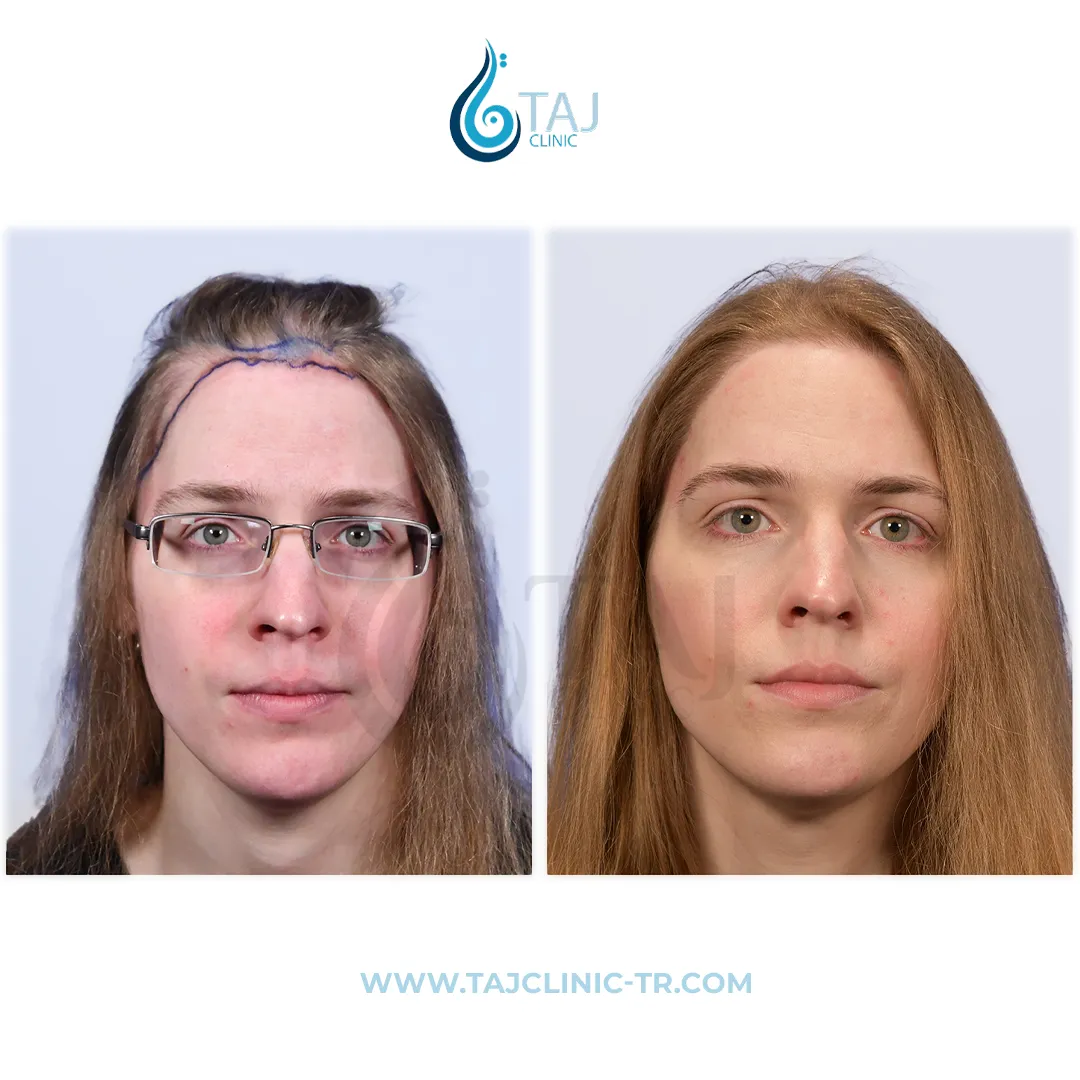
Before & After


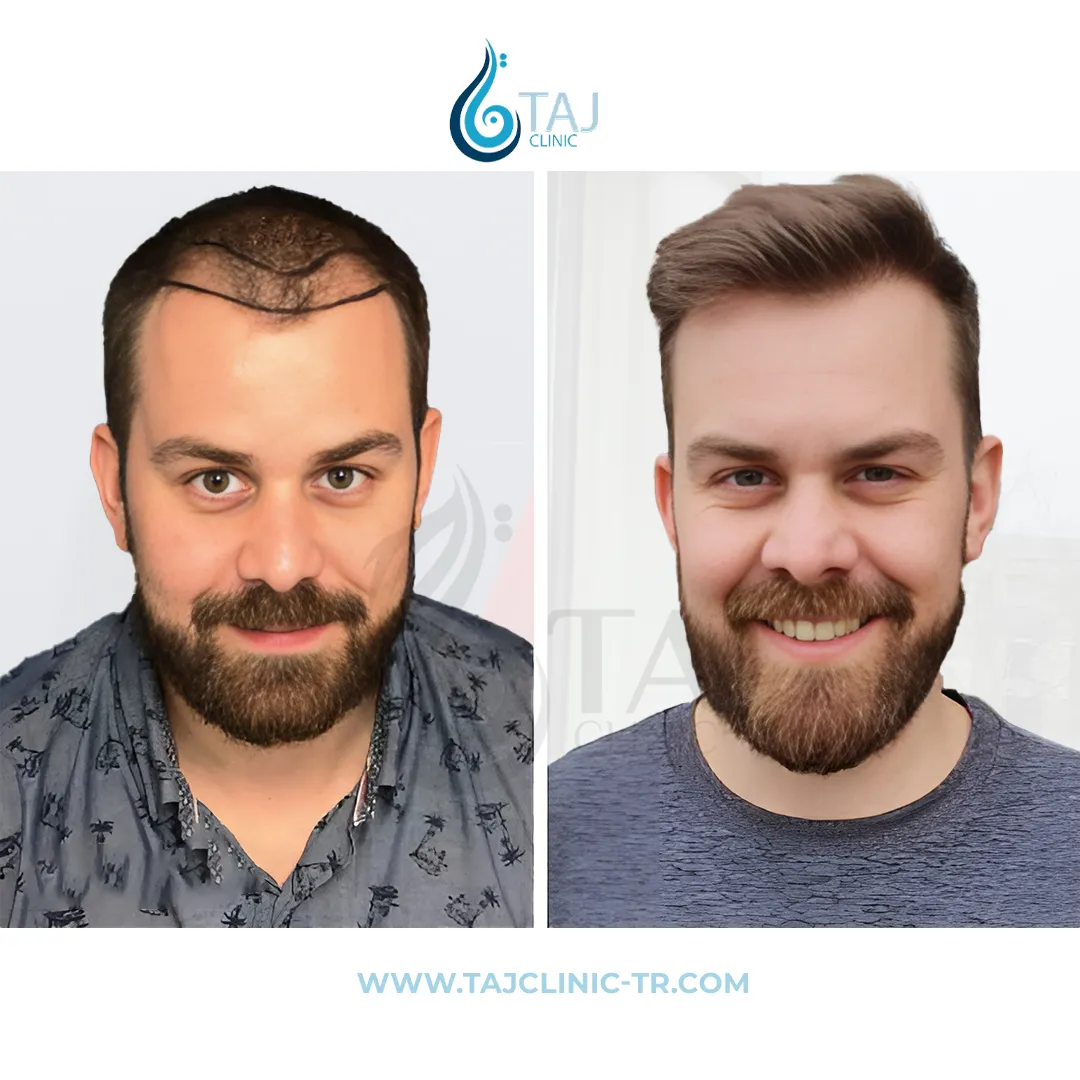
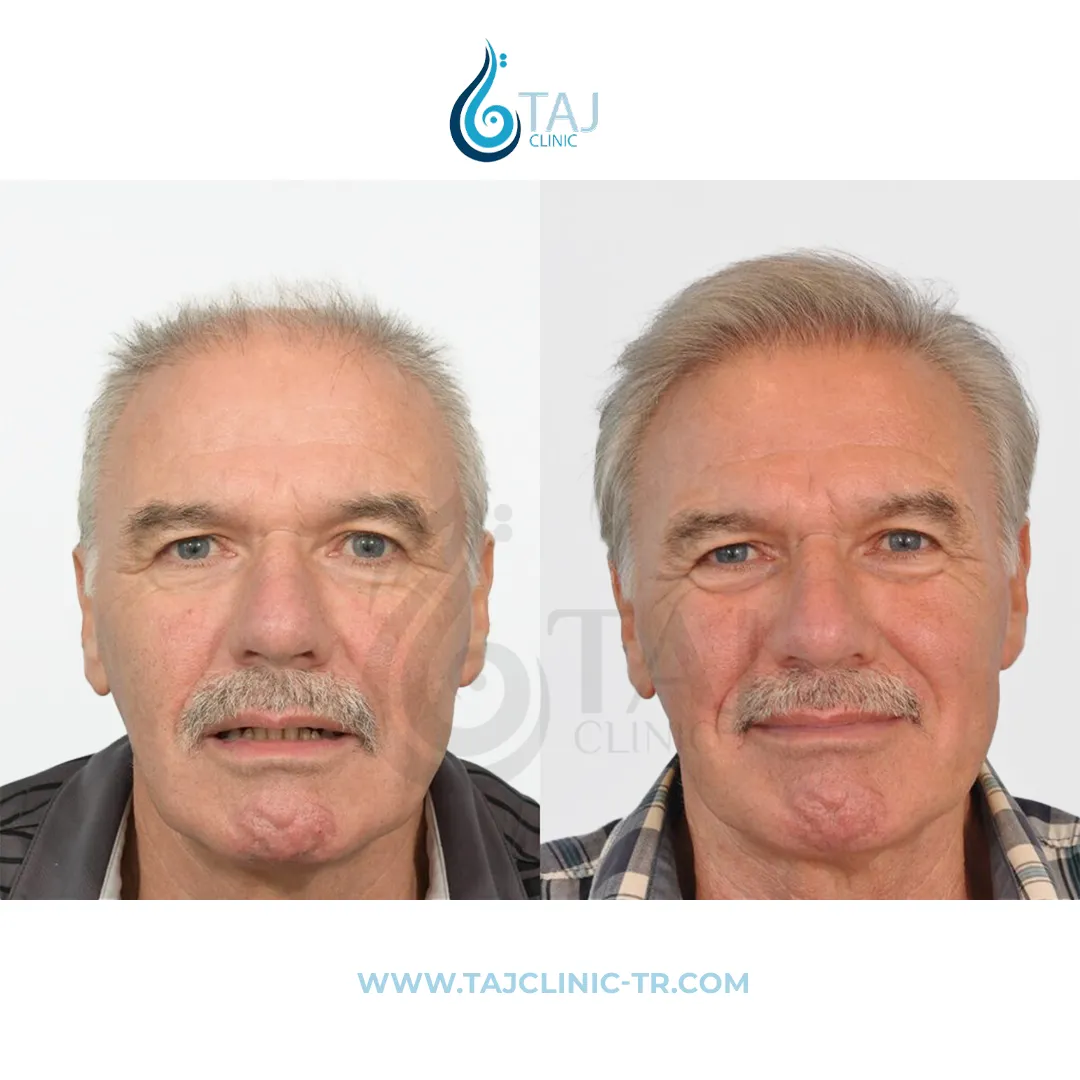
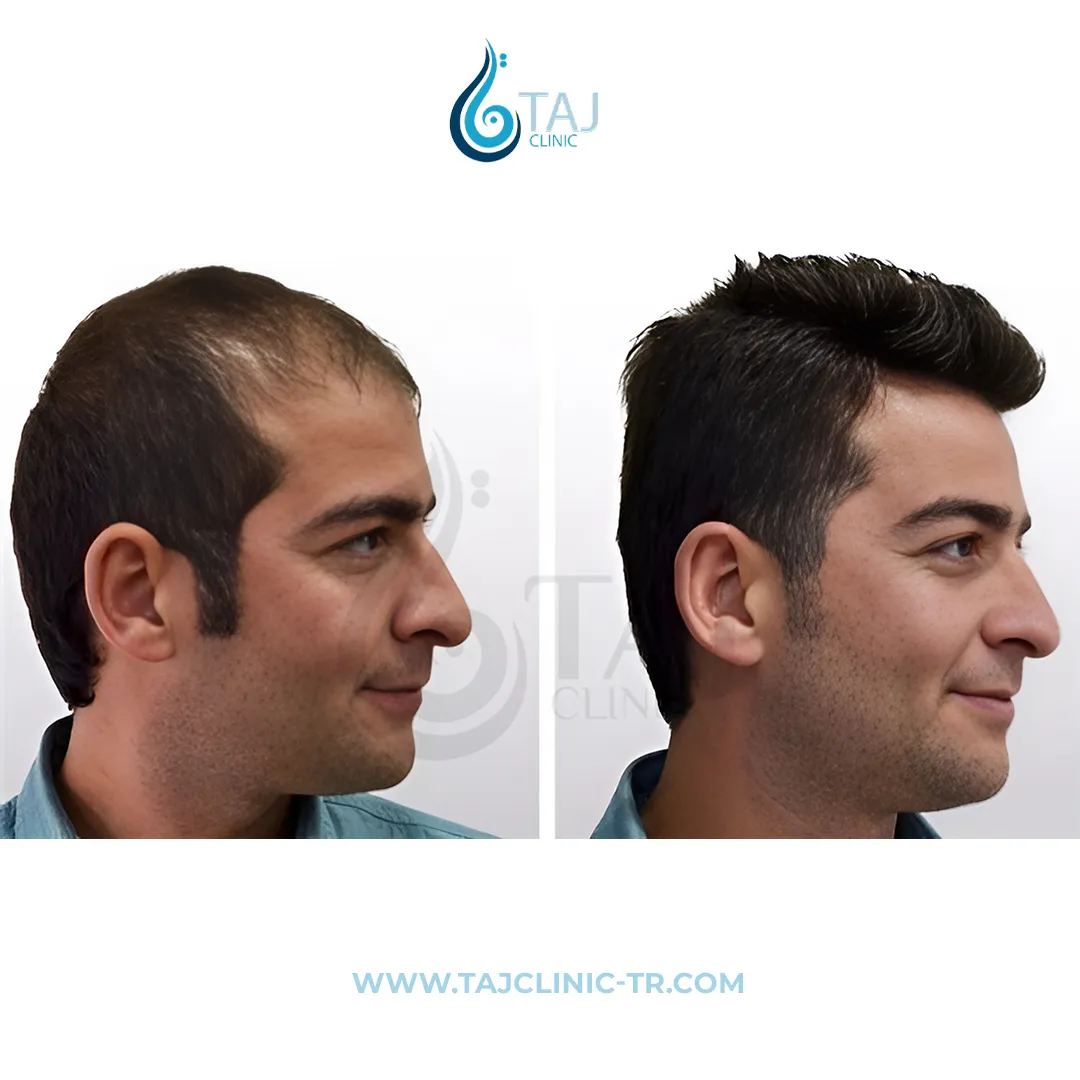
Frequently Asked Questions
In most cases, body sculpting surgery is considered a cosmetic procedure and is not covered by insurance. However, in some cases where the procedure is considered medically necessary due to a medical condition or injury, insurance may cover the cost of surgery.
Body contouring surgery refers to a variety of surgical procedures designed to reshape and contour the body. These procedures may include removing excess skin and fat, tightening muscles or changing the shape and size of certain parts of the body, such as; Abdomen and thighs, or arms and buttocks.
The cost of body sculpting surgery varies depending on the extent of the procedure, the surgeon’s experience, the location of the surgery, and the clinic’s prices. In general, the cost of body contouring surgery can range from $4,000 to $15,000 or more.
Non-surgical body sculpting refers to non-surgical or minimally invasive cosmetic procedures that can help reshape and define the body without the need for surgical intervention. Examples of non-surgical body sculpting procedures include CoolSculpting and SculpSure.
After rhinoplasty, patients are usually advised to avoid strenuous physical activities, lift heavy objects, blow their nose, and wear eyeglasses or sunglasses for several weeks to allow for proper healing.
Rhinoplasty is usually performed under general anesthesia, so the procedure itself is not painful. Some people may experience mild discomfort, swelling, and bruising after the procedure, but these symptoms can be managed with medications and cold compresses.
The duration of rhinoplasty can vary depending on several factors such as: The extent of the operation and the experience of the surgeon. On average, it can take 1-3 hours to complete.
Recovery time after rhinoplasty can vary depending on several factors such as the extent of the procedure, the patient’s general health, and adherence to post-operative instructions. On average, it may take 2-3 weeks for initial recovery and several months for the final results to be fully visible.
Rhinoplasty is a cosmetic or reconstructive surgical procedure that involves reshaping the bone and cartilage of the nose to improve its appearance or function.
Rhinoplasty, also known as rhinoplasty, is a surgical procedure aimed at improving the appearance and/or function of the nose by reshaping bone and cartilage.
The cost of rhinoplasty varies depending on several factors, such as the surgeon’s experience, location, and extent of the procedure. On average, it can range from $5,000 to $10,000 in the United States
Dental veneers can last between 5 to 15 years, depending on the materials used, the individual’s oral hygiene habits, and other factors. Regular dental checkups and proper care can help extend the life of veneers.
If teeth are not kept clean, decay can occur around or under the edges of the veneer, leading to further dental problems. It is important to continue brushing, flossing, and having regular dental checkups to prevent cavities and other dental problems.
Dental veneers are used to improve the appearance of teeth that are discolored, cracked, or have other cosmetic problems. However, other dental treatments may be necessary before veneers are placed if the teeth have significant decay or structural damage.
When placed correctly and taken good care of, veneers will not damage your teeth. However, if the veneer is not placed correctly, or when the underlying tooth structure is damaged during preparation, it can lead to problems such as sensitivity or cavities.