
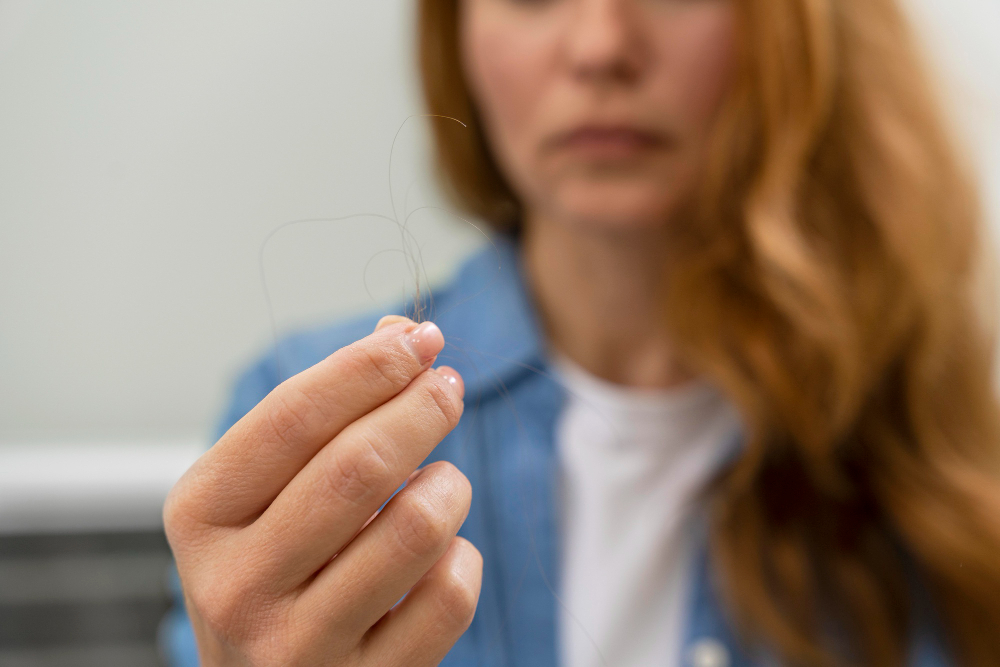
Description Hair transplant for women
Hair transplantation is more commonly associated with men, but it is also a common procedure for women. Hair loss is a prevalent issue among women more than one might think, to the extent that it can cause psychological problems. Light hair (hair thinning) or hair loss in women can now be easily treated using various methods and techniques in the field of cosmetic medicine.
With the advancement of cosmetic medicine and its supplements, along with the latest technologies and devices, various cosmetic products have emerged to address different hair problems, from treating hair thinning to combating hair loss in women. These include special serums to promote hair growth and strengthen it, nourishing hair products, and laser hair treatments to support hair growth, which are excellent solutions for most cases of hair thinning.
However, there are other deeper and more impactful reasons causing severe hair loss in women, for which these treatments may not succeed despite their strong effectiveness, and these approaches may not yield the desired results. In such cases, hair transplantation comes as an ideal solution.

Who are the candidatesHair transplant for women؟
- Those experiencing severe hair thinning or significant hair loss with hereditary baldness patterns.
- Those with a strong and sufficient donor area.
- Those in good overall health.
- Those not suffering from dermatological conditions that hinder hair transplantation, such as eczema, alopecia areata, and others.
- Those not experiencing active hormonal causes and issues, as their treatment is crucial before considering transplantation.
- Those within the appropriate age range for hair transplantation, which is between 25 to 60 years old.
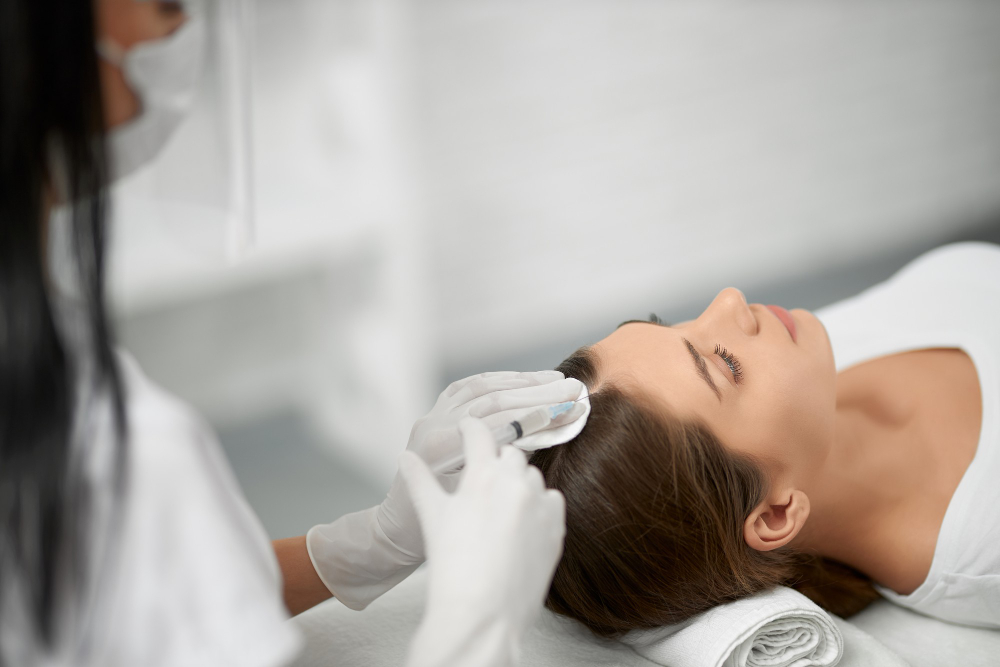
Tips before proceeding Hair transplant for women
Before undergoing a hair transplantation procedure, it is essential to consider some basic matters to avoid the emergence of side effects.
These include:
- Smoking affects the growth of transplanted hair follicles and the results of the procedure, so it should be avoided for at least two weeks before the operation.
- Avoid drinking green tea as it thins the blood, which may cause severe bleeding during and after transplantation, ultimately leading to transplantation failure.
- Avoid coffee and other stimulants at least four days before the transplantation as they weaken the effect of anesthesia.
- To prevent any problems that may occur before or after the operation, it is recommended to have a good and balanced meal before the procedure.
- Discontinue the use of blood-thinning and anticoagulant medications, such as aspirin and ibuprofen.
- The patient should inform the doctor about any medications she is taking regularly or currently at the time accompanying the transplantation.

What are the stages Hair transplant for women؟
- Medical examination of the donor and recipient areas.
- Determination of the number of follicles to be transplanted.
- Identification of the areas to be transplanted and drawing the new hairline.
- Trimming only the donor area, sterilizing it, and then locally anesthetizing and preparing it for the extraction phase.
- Locally anesthetizing the scalp in the recipient areas and preparing it for the hair grafting phase.
- Performing hair transplantation using Choi pens – DHI technique.

What to expect next of Hair transplant for women؟
- The full impact of the transplant can only be seen after the hair has grown from the transplanted follicles on the scalp, and this may take several years in some cases.
- The day after hair transplantation, you should come to the clinic for the first hair wash after the procedure.
- The doctor removes the bandage, examines and washes the scalp using a special technique, and provides recommendations for hair care, along with a special shampoo.
- You can return home on the same day after the transplantation.
- The scales that form on the donor area and the transplanted sites usually disappear within one to two weeks.
- After the follicles are transplanted, there is noticeable hair shedding from the balding area, which can continue for several months.
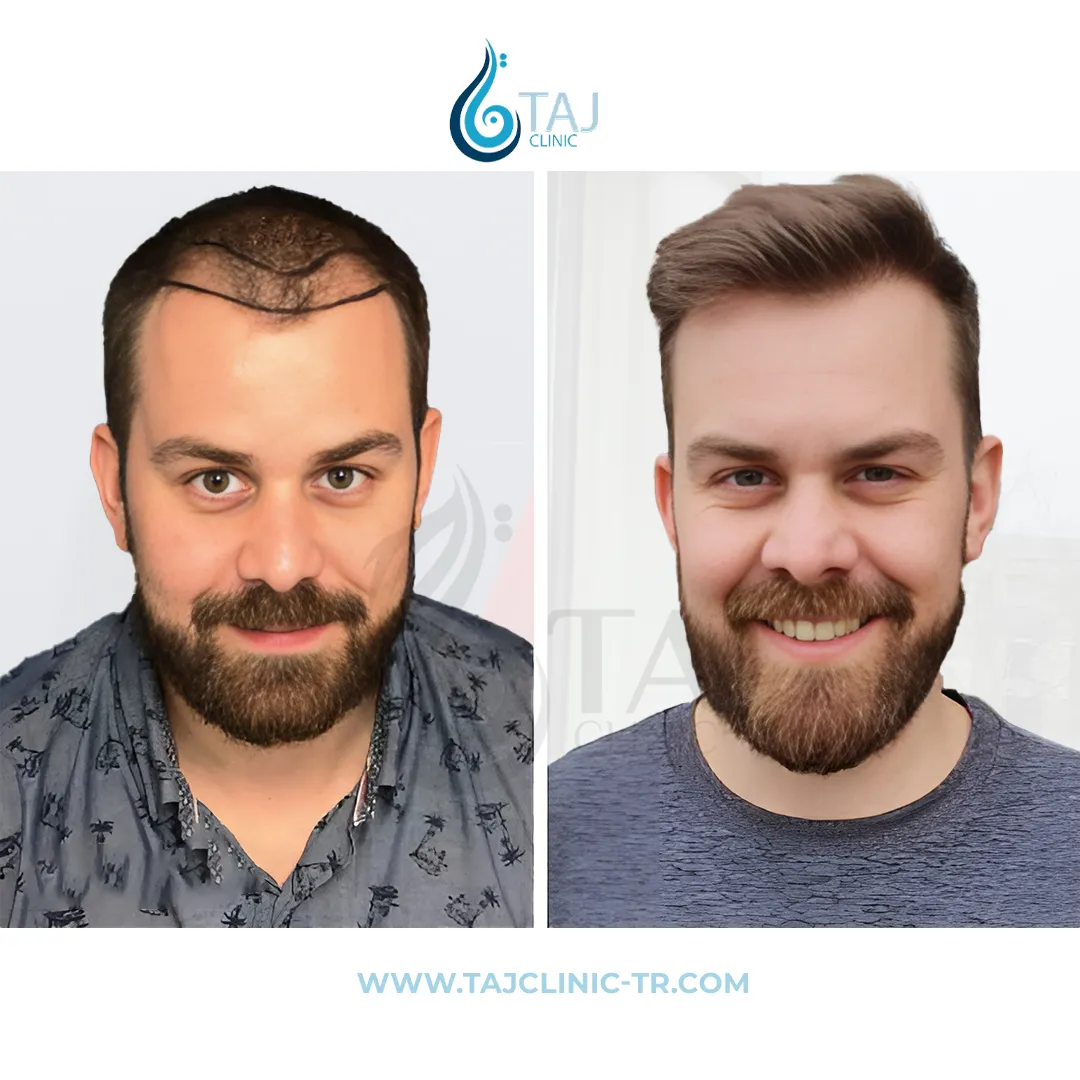
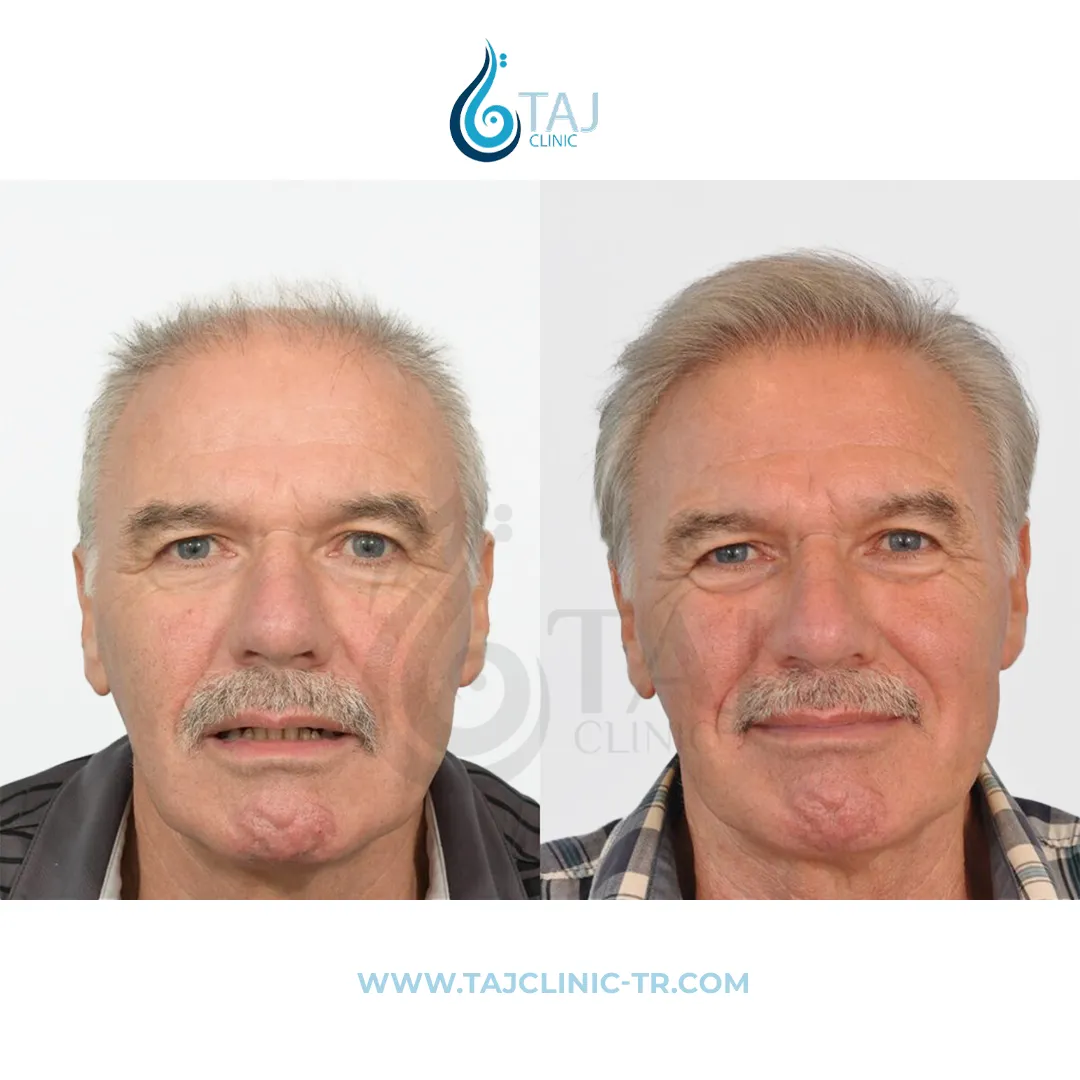
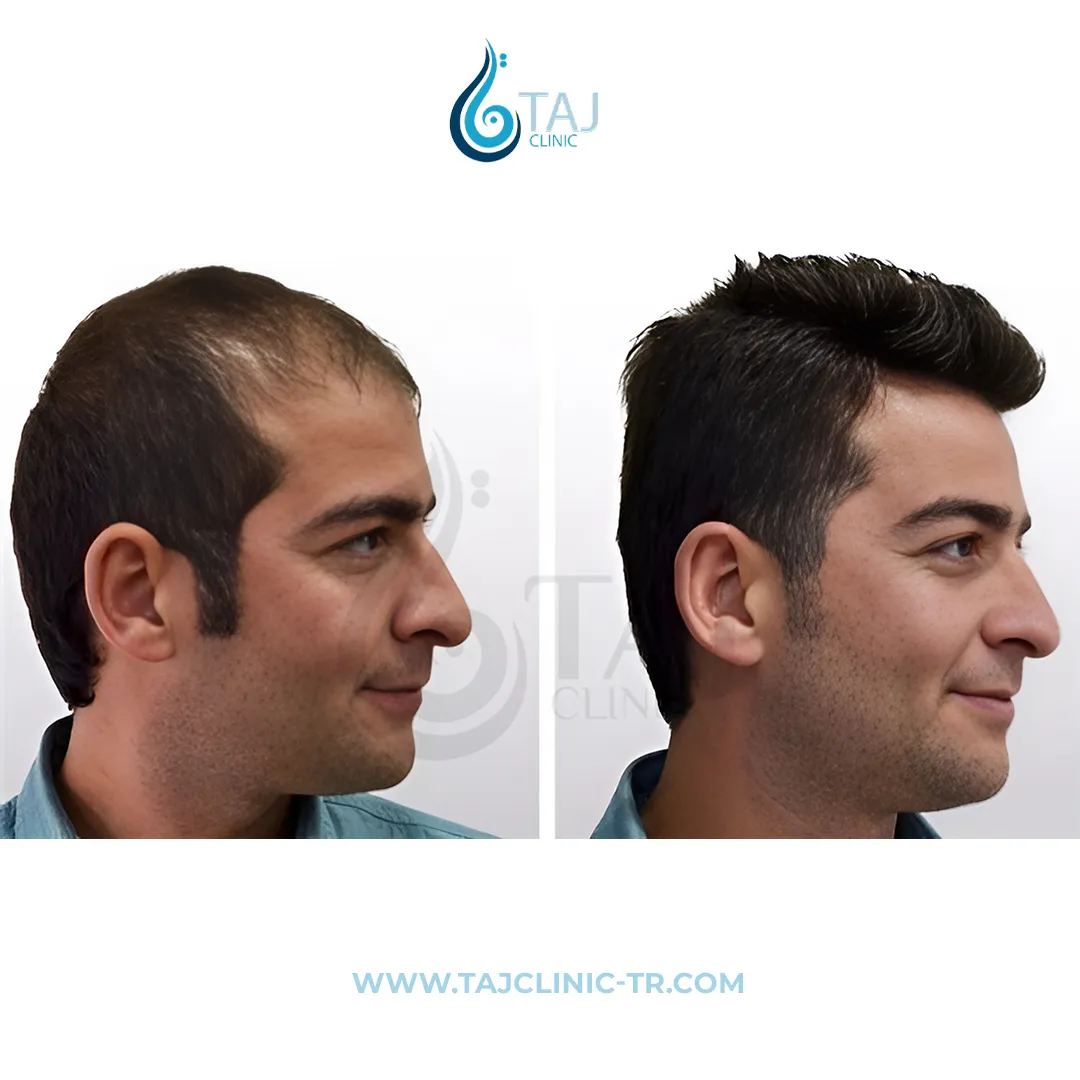
- After a period of shedding, healthy hair begins to grow, revealing the full impact of the transplantation process.
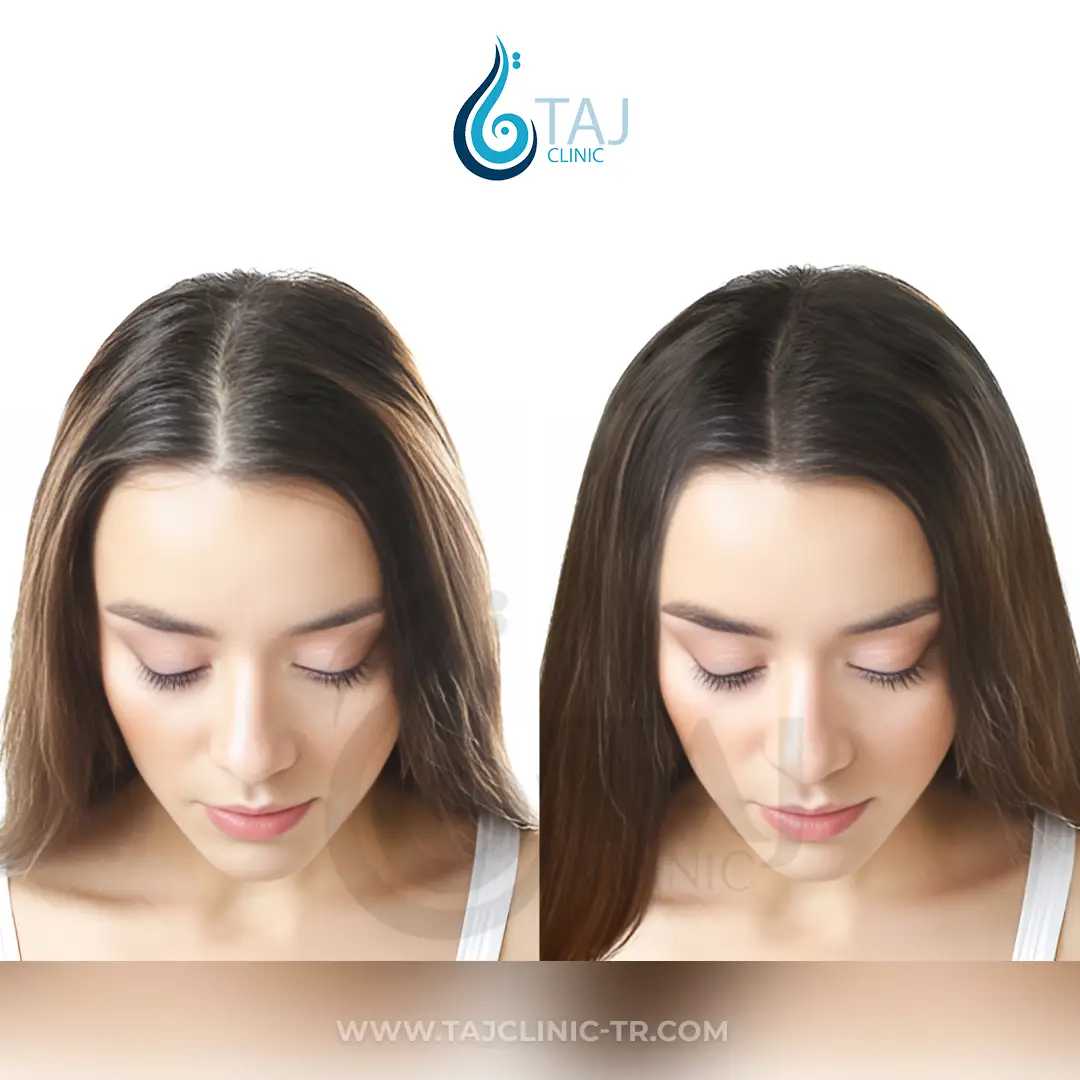
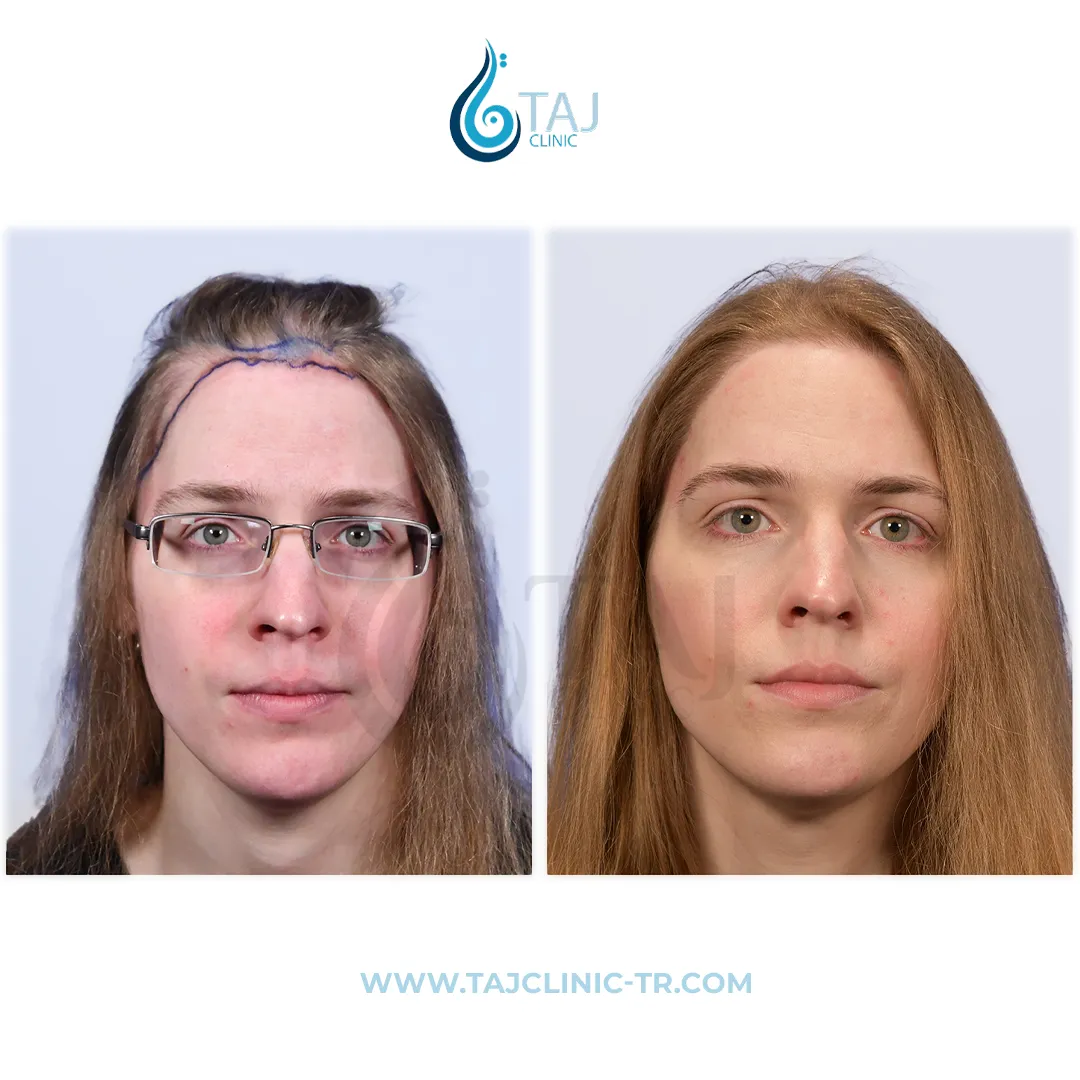
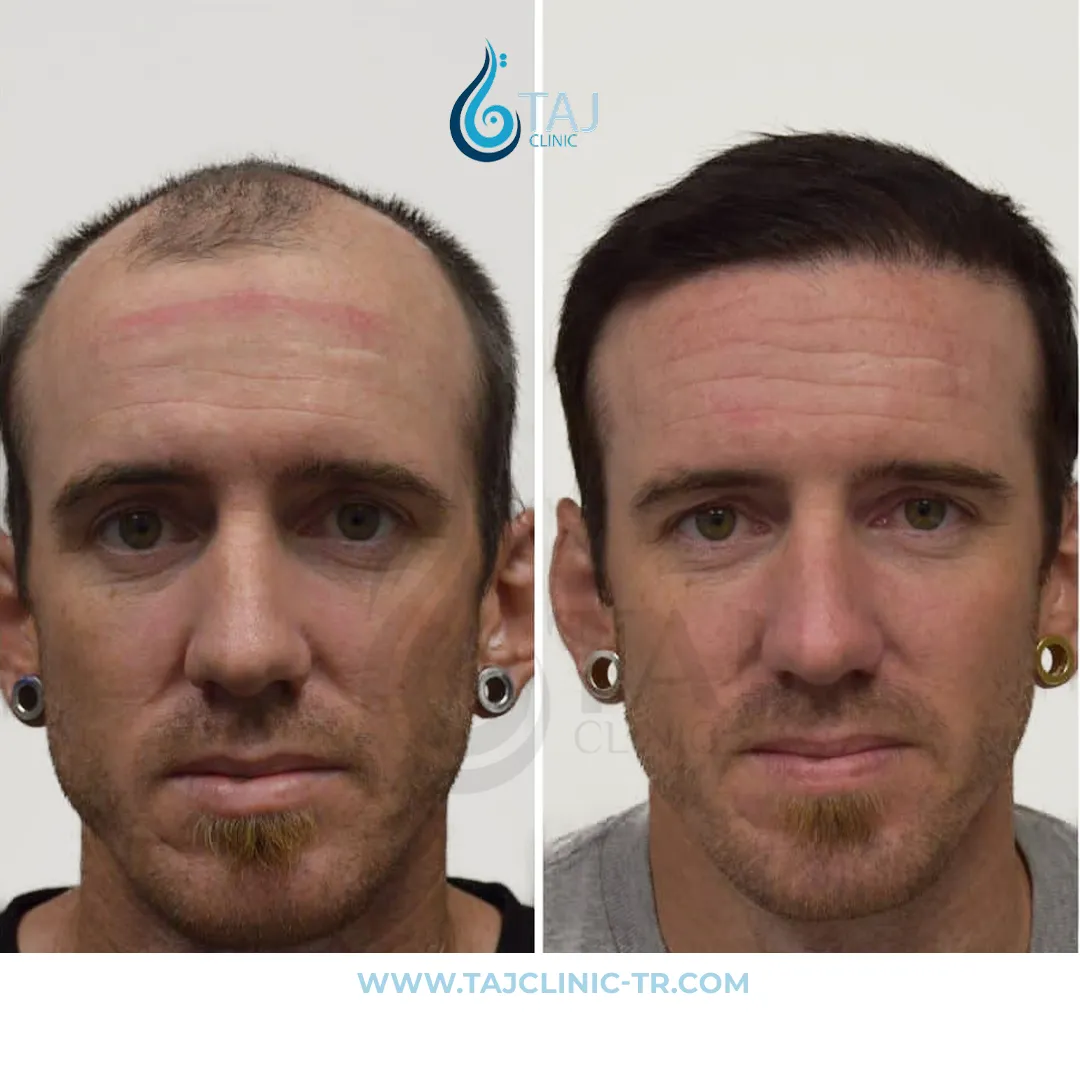
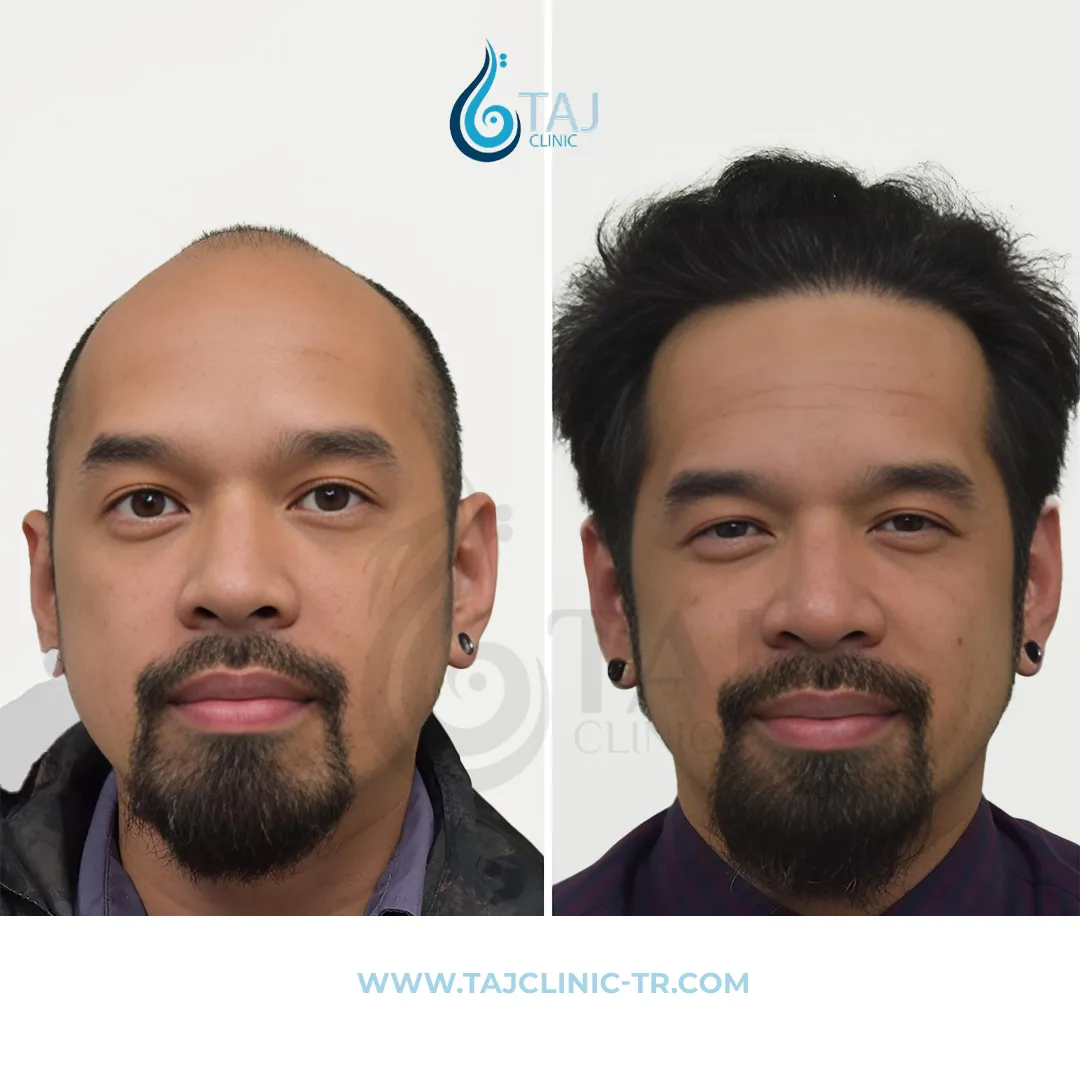
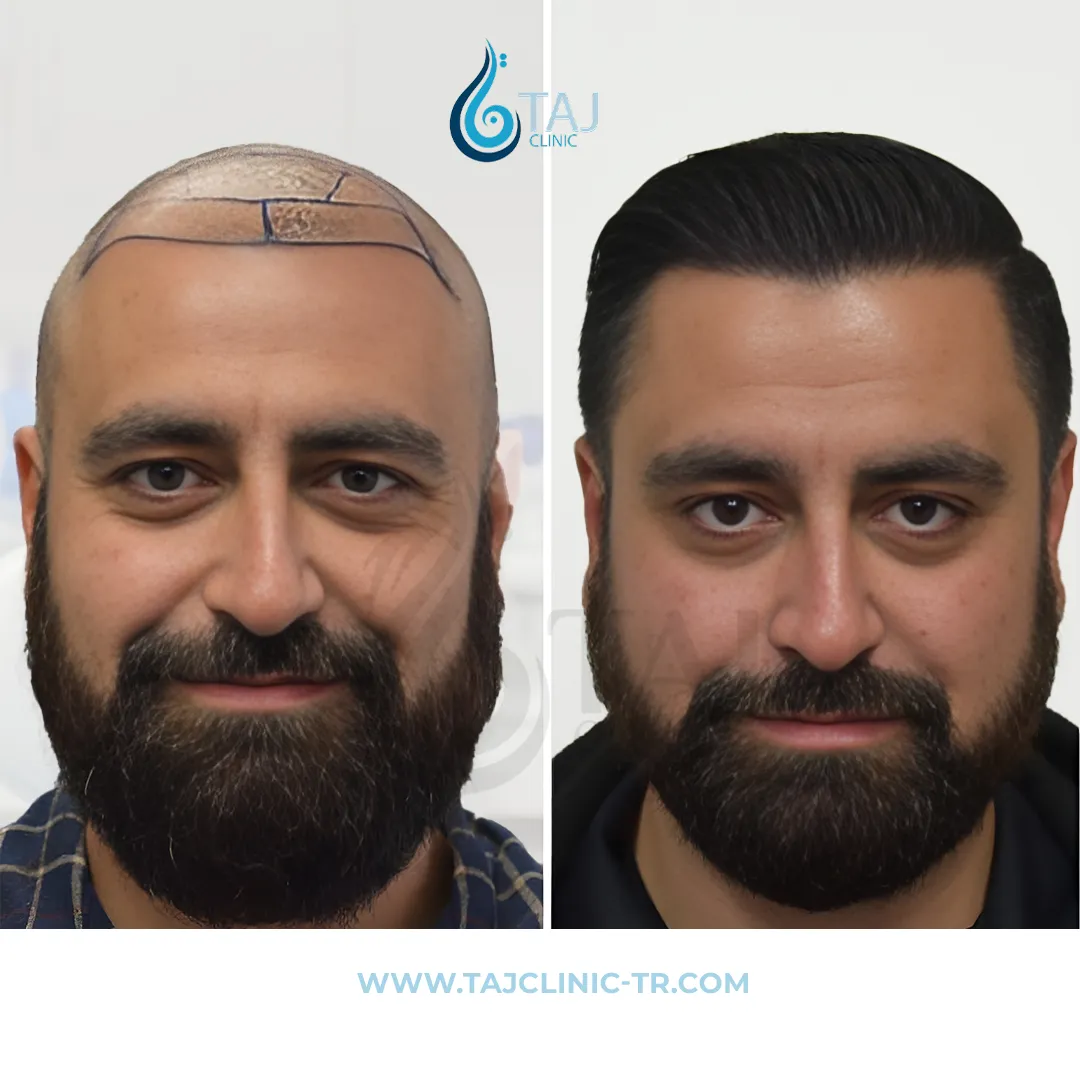
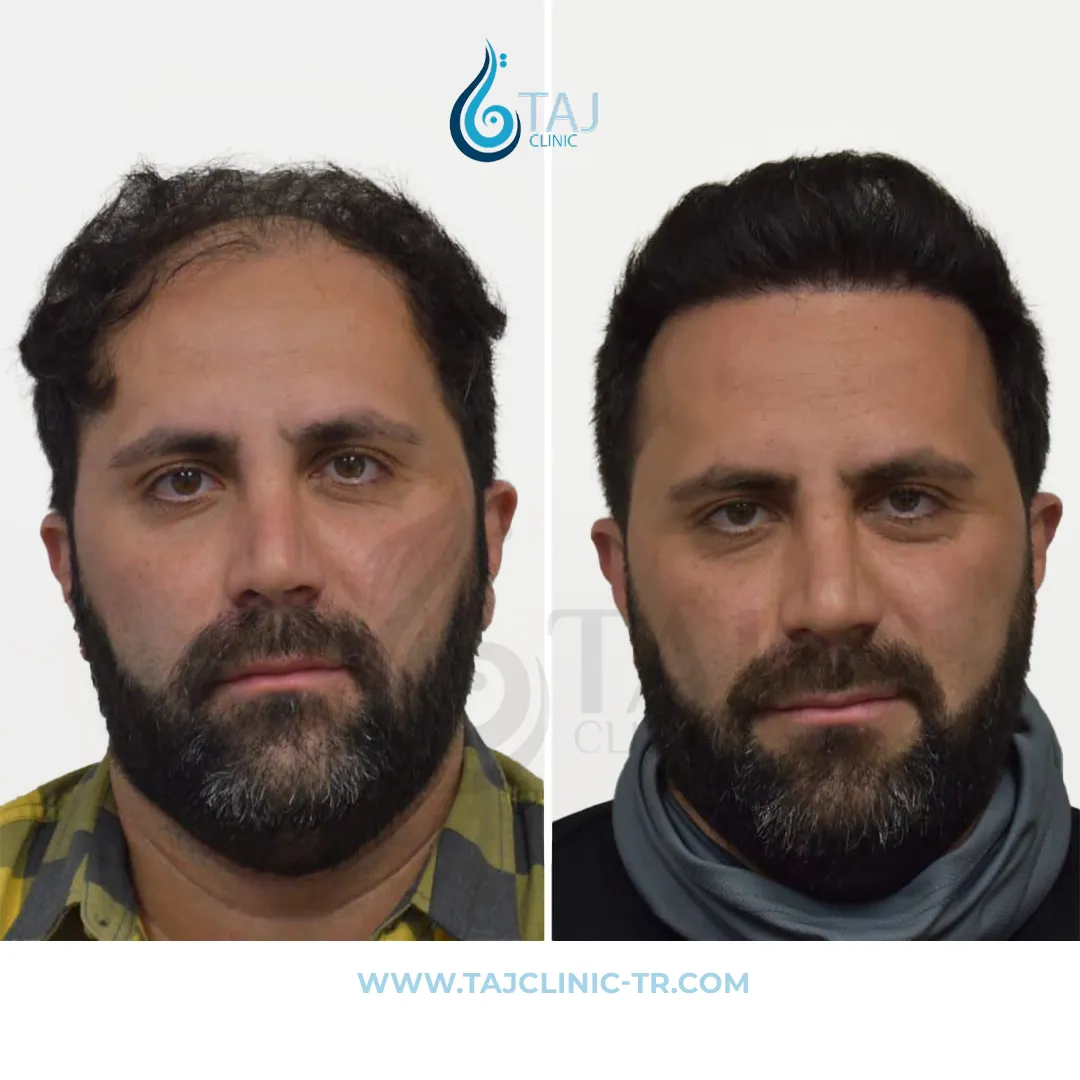
Before & After
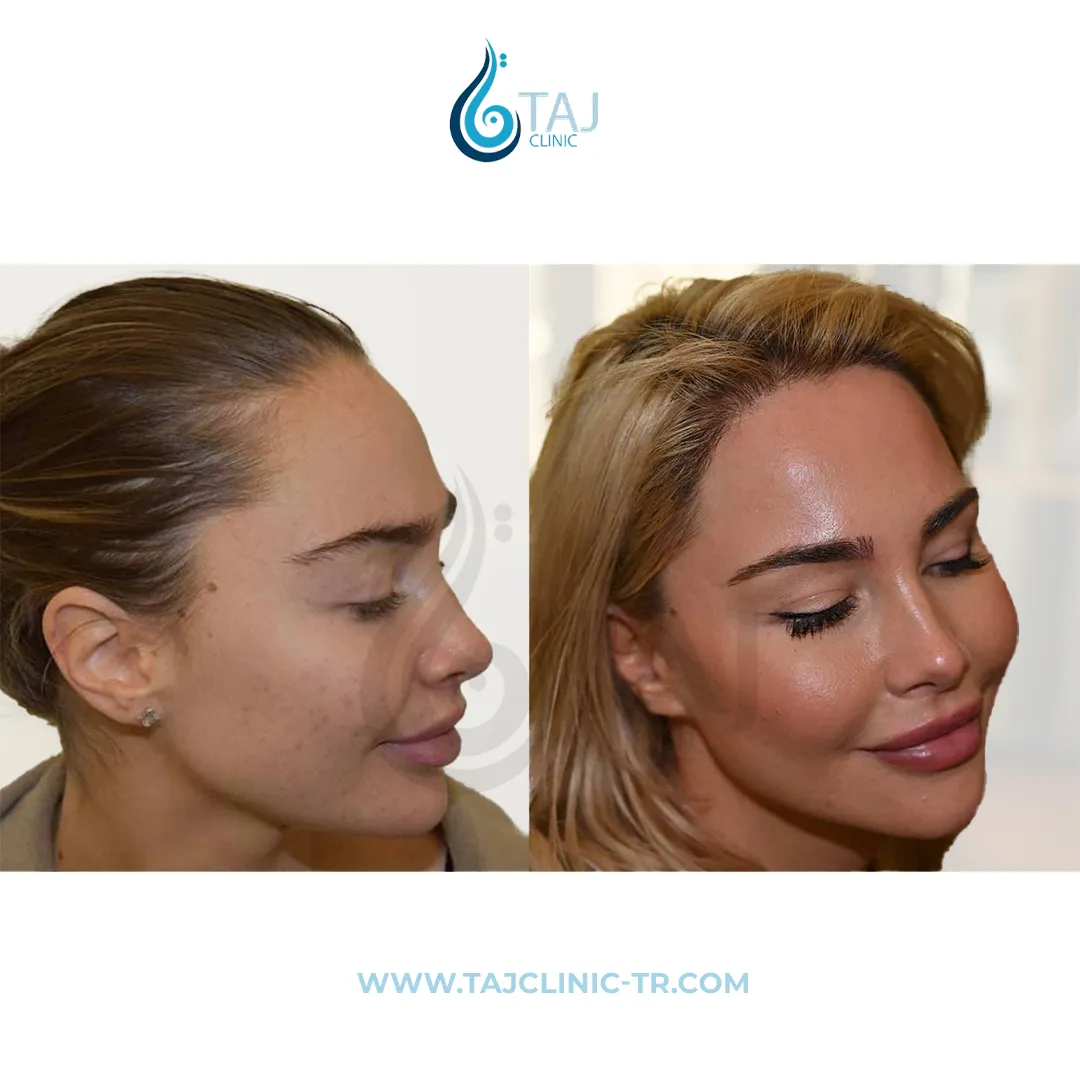
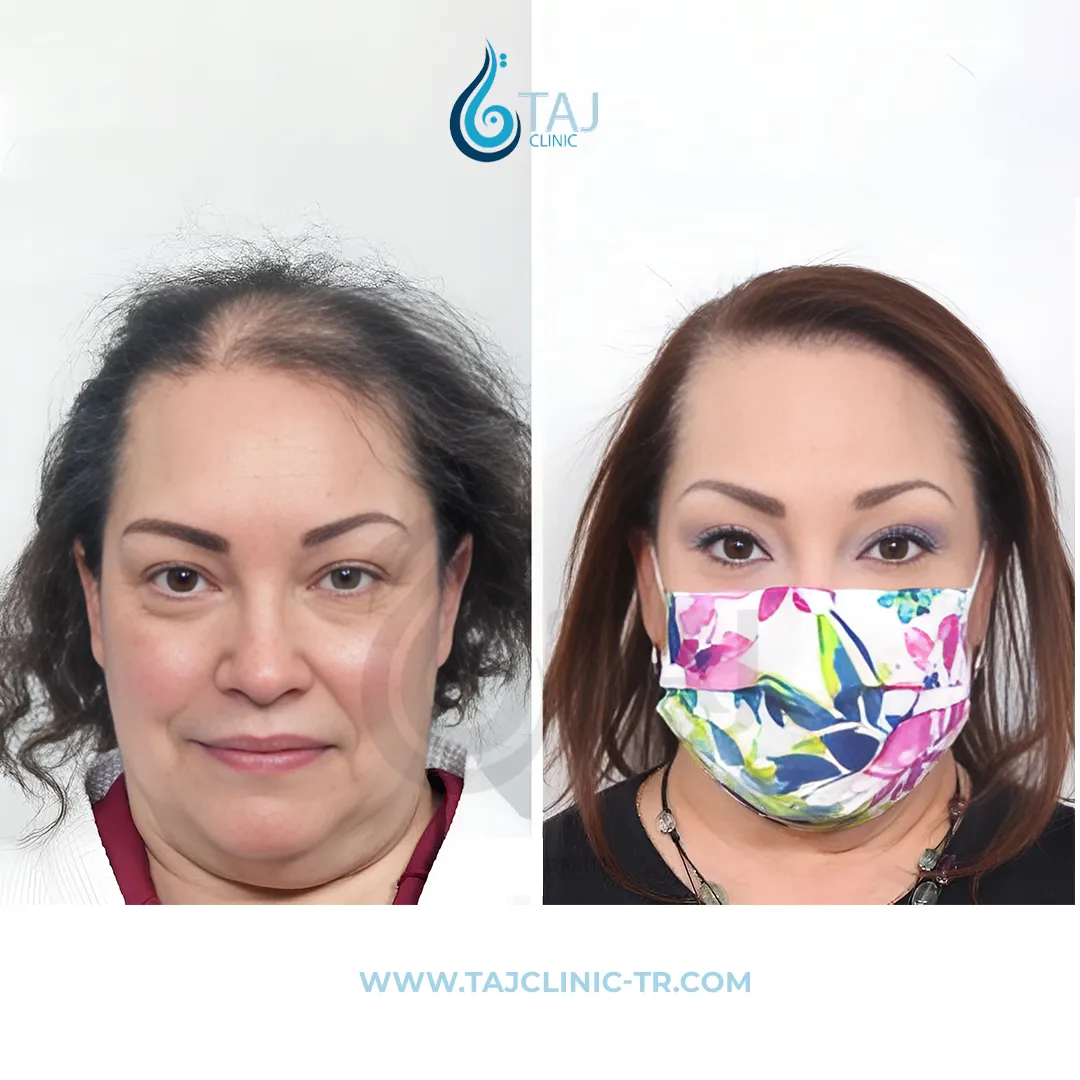
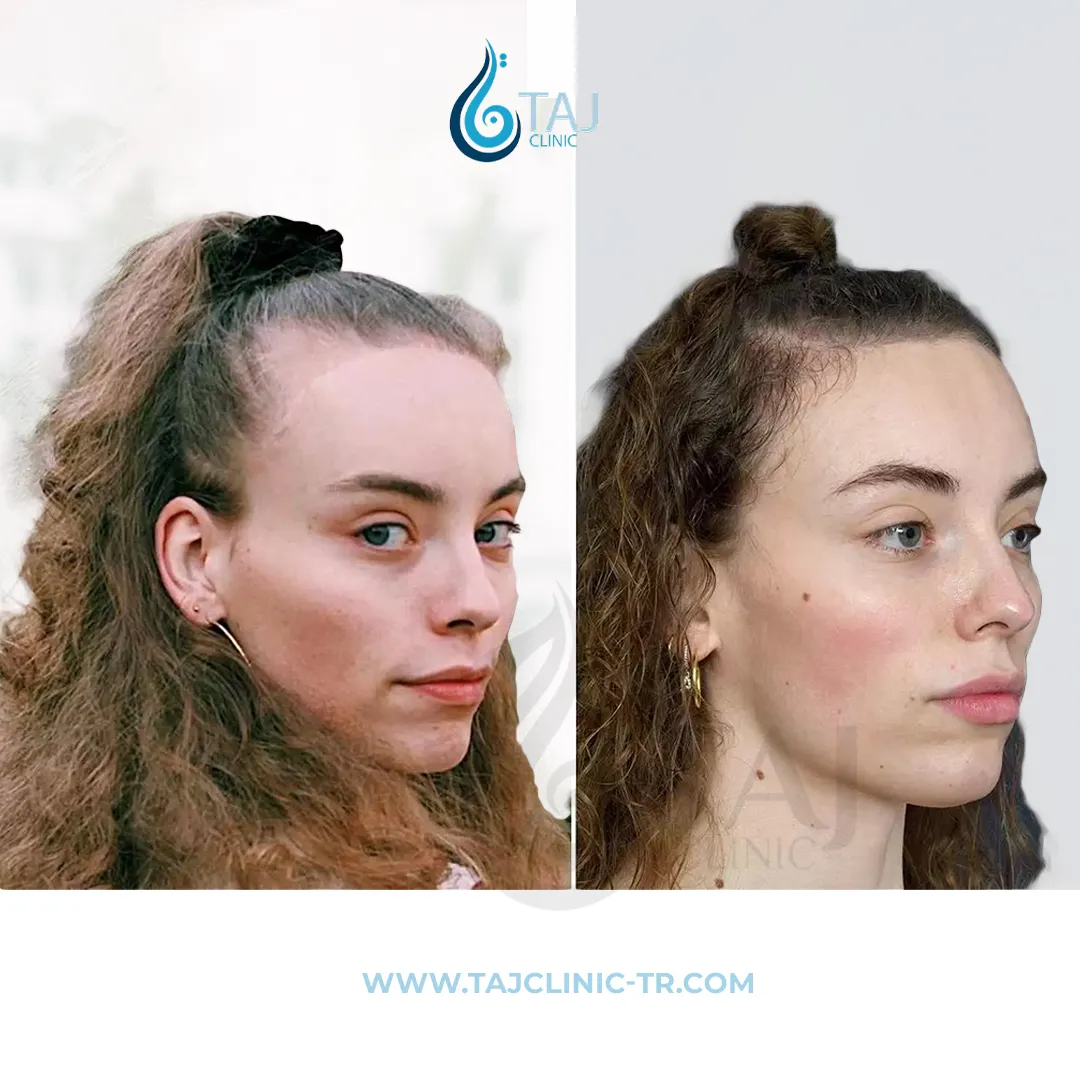
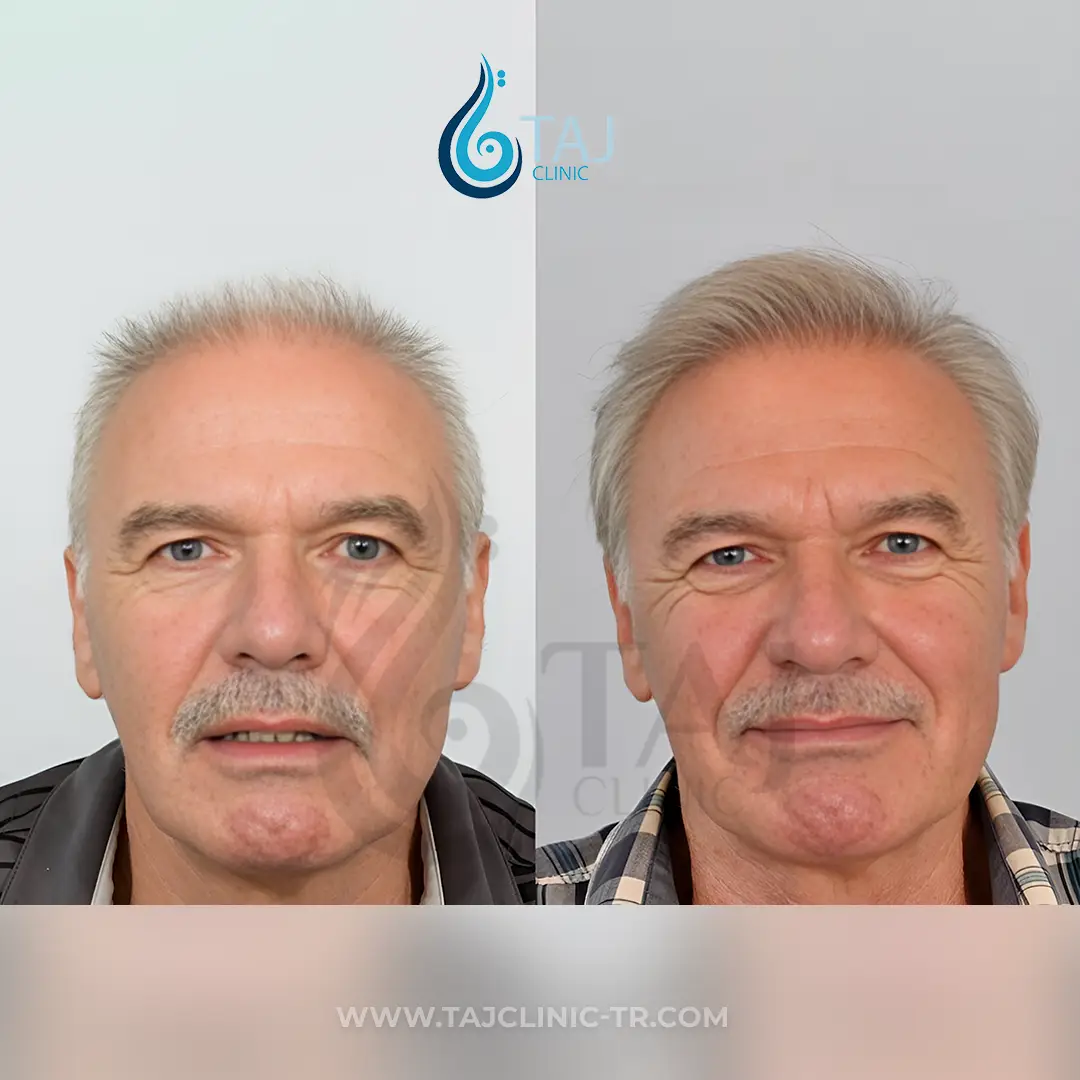
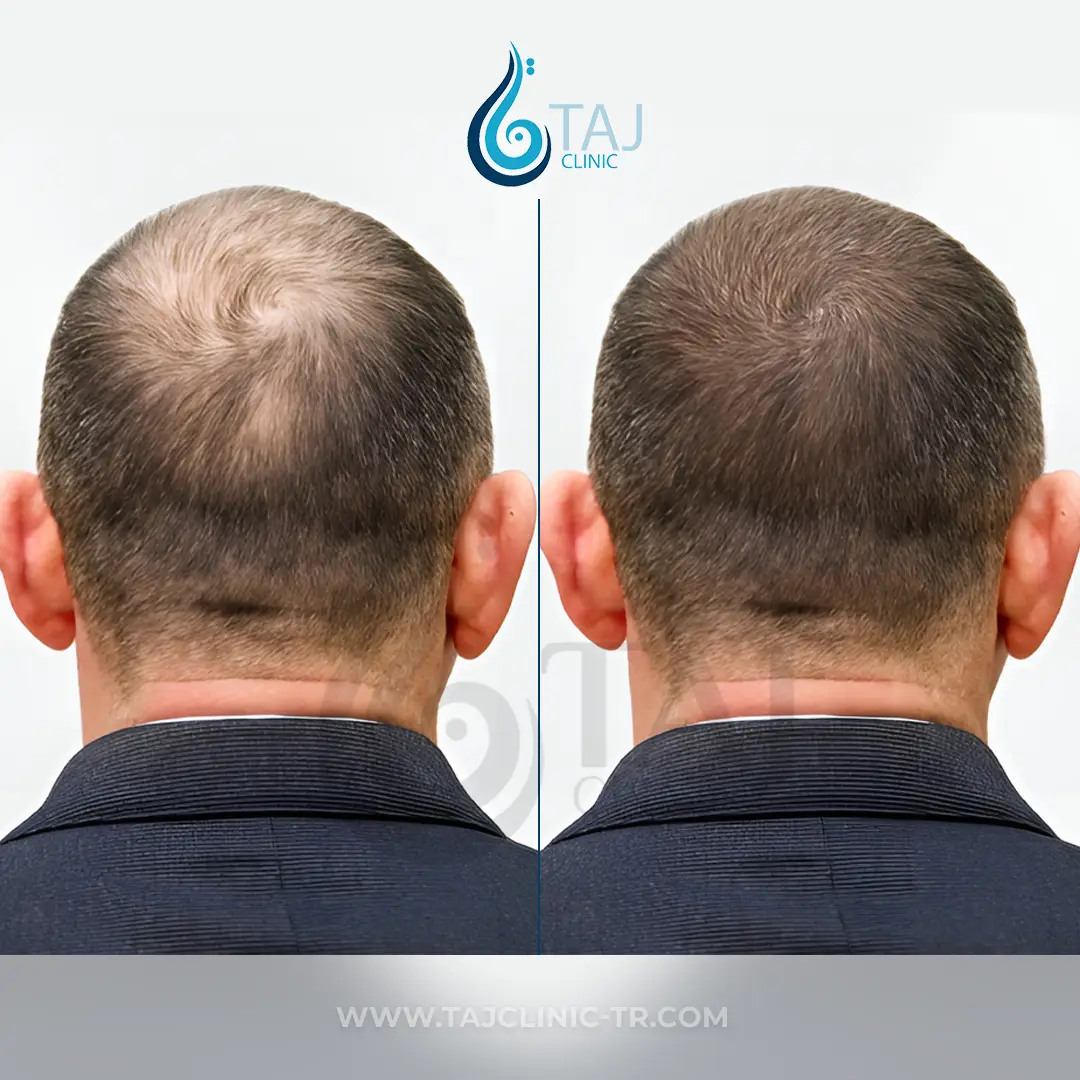
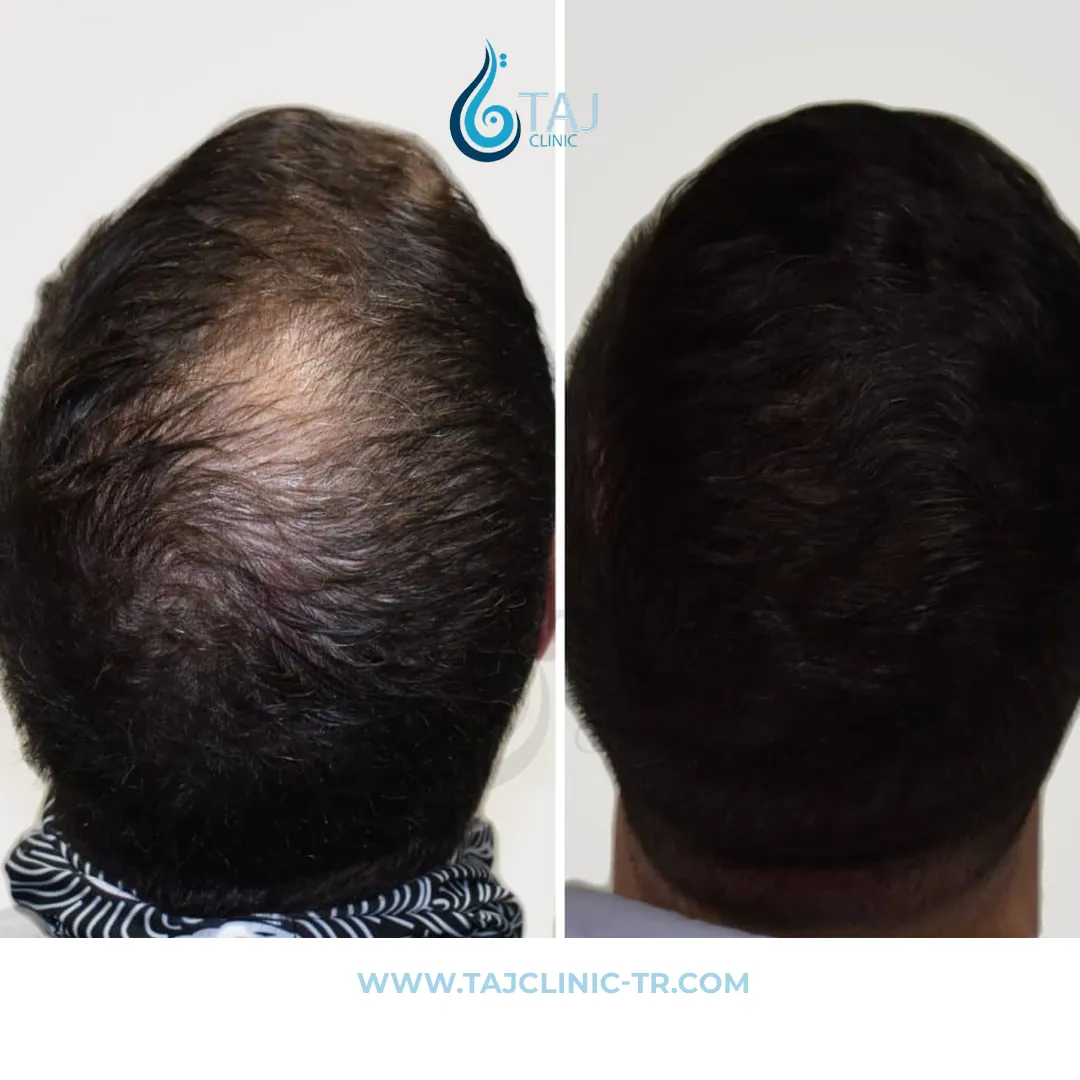
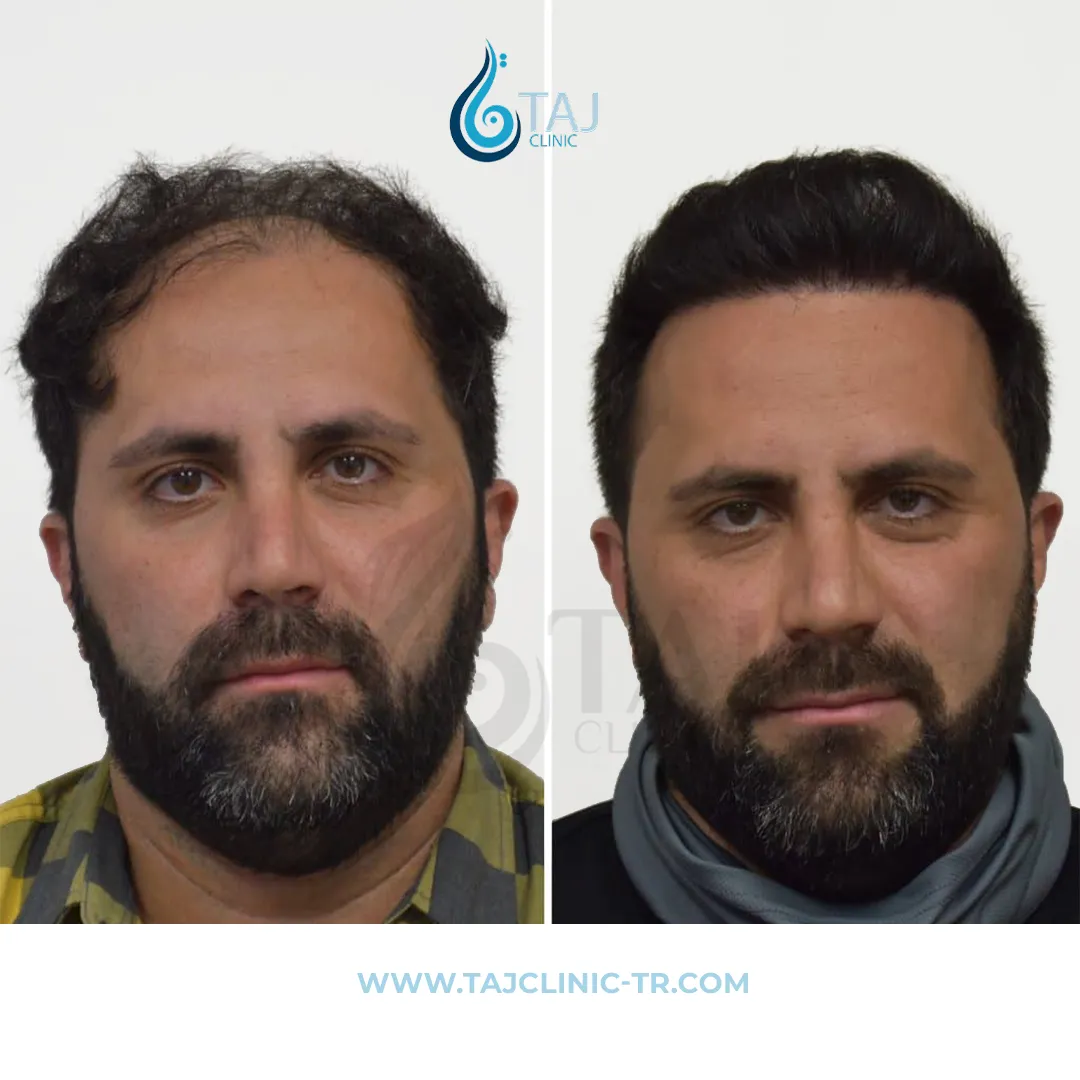
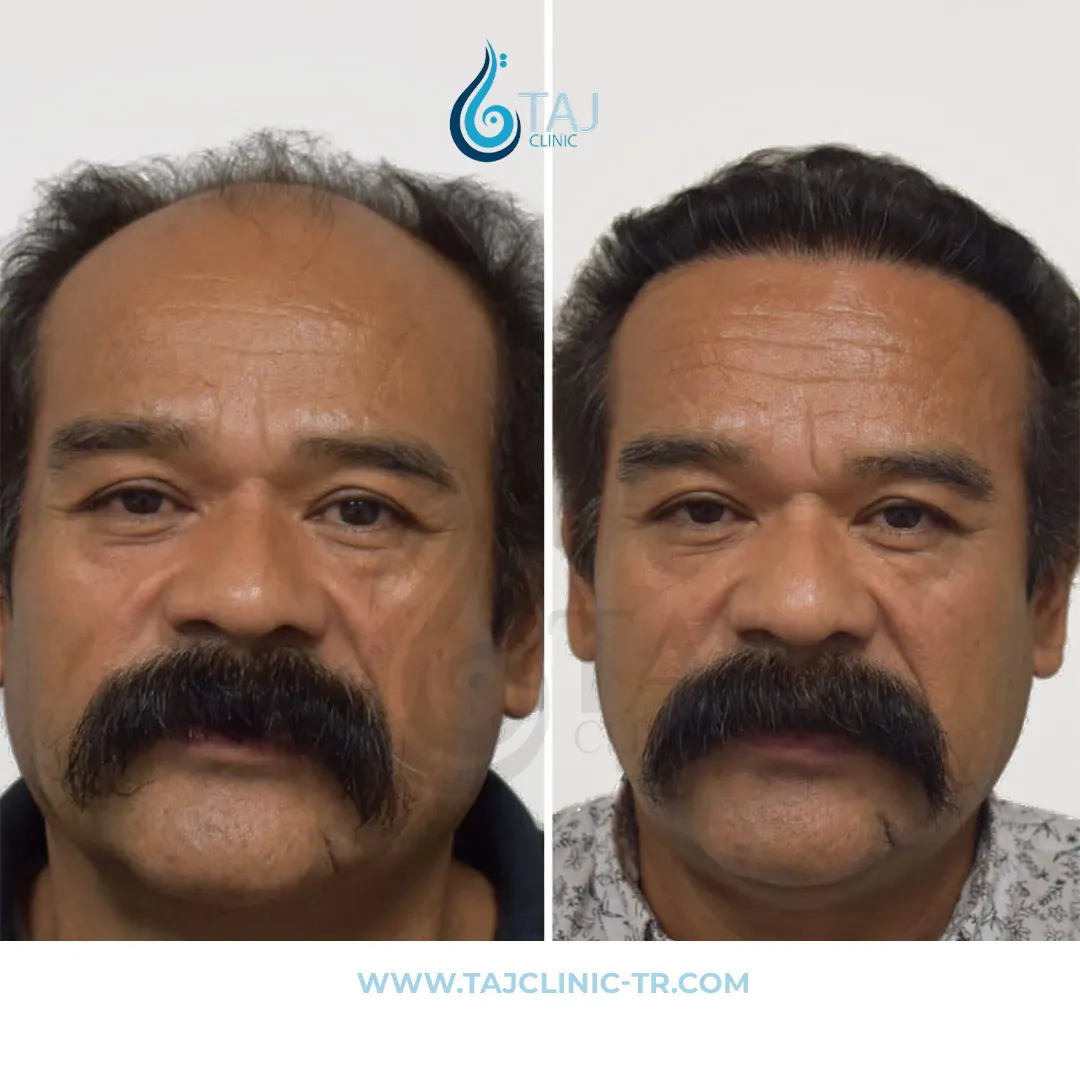


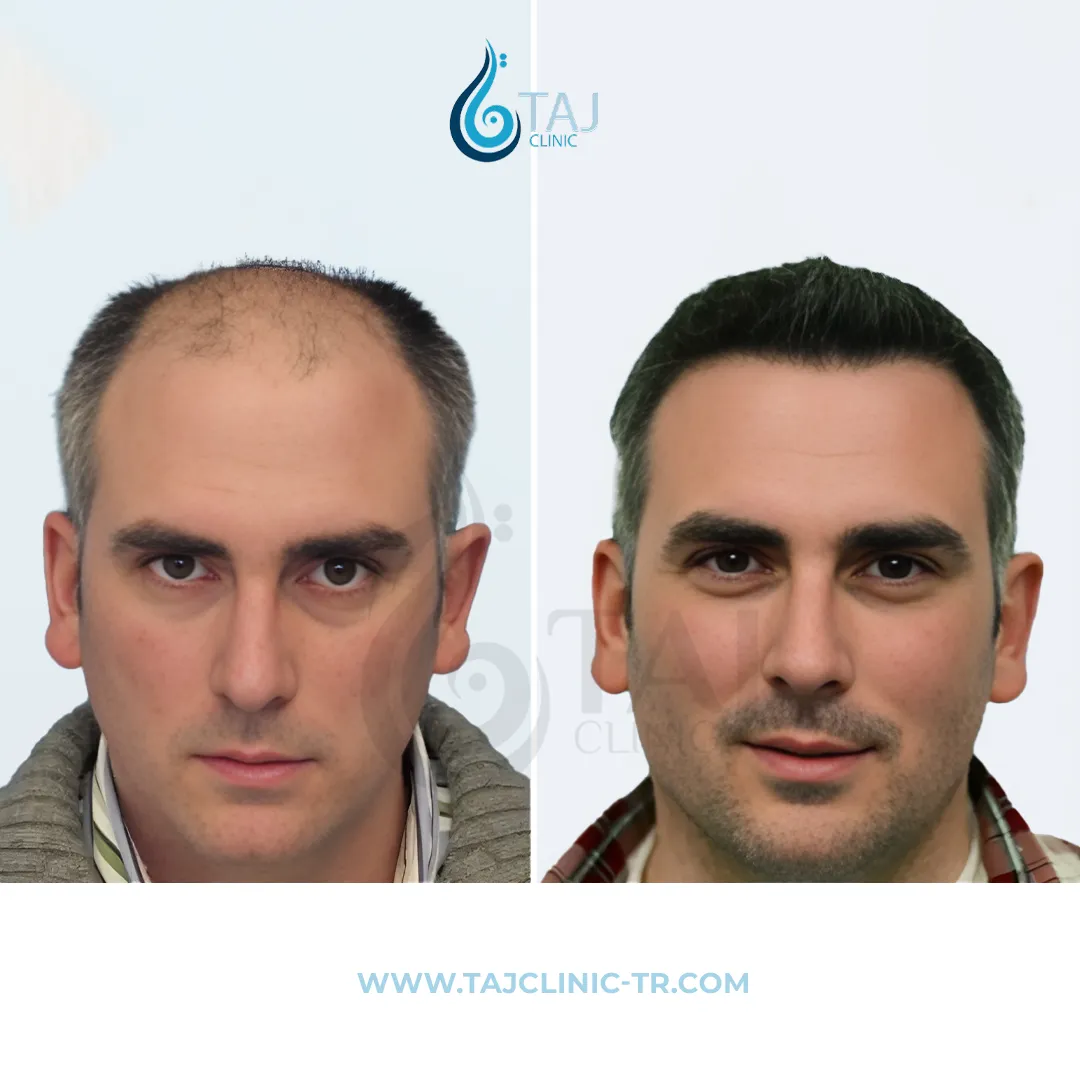
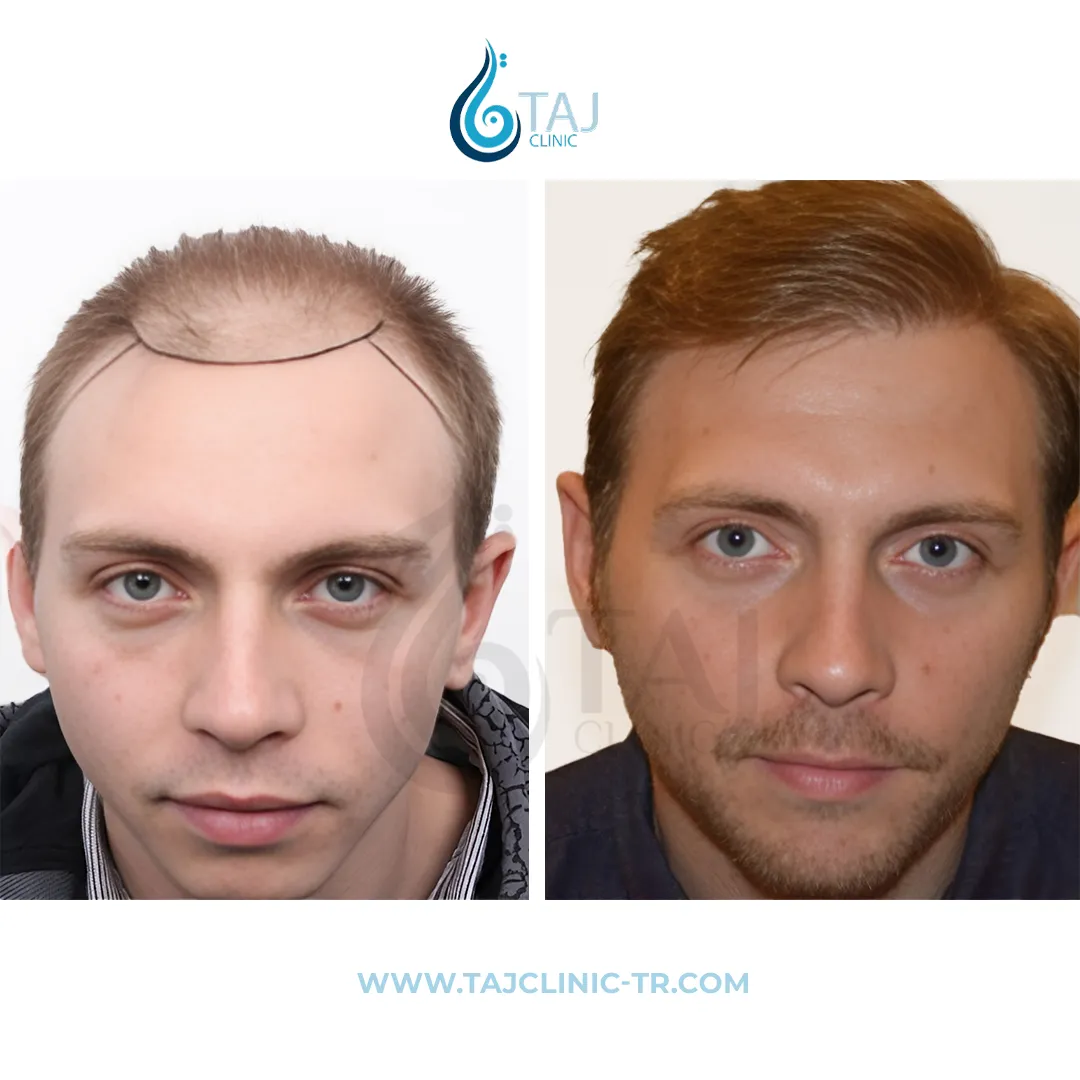
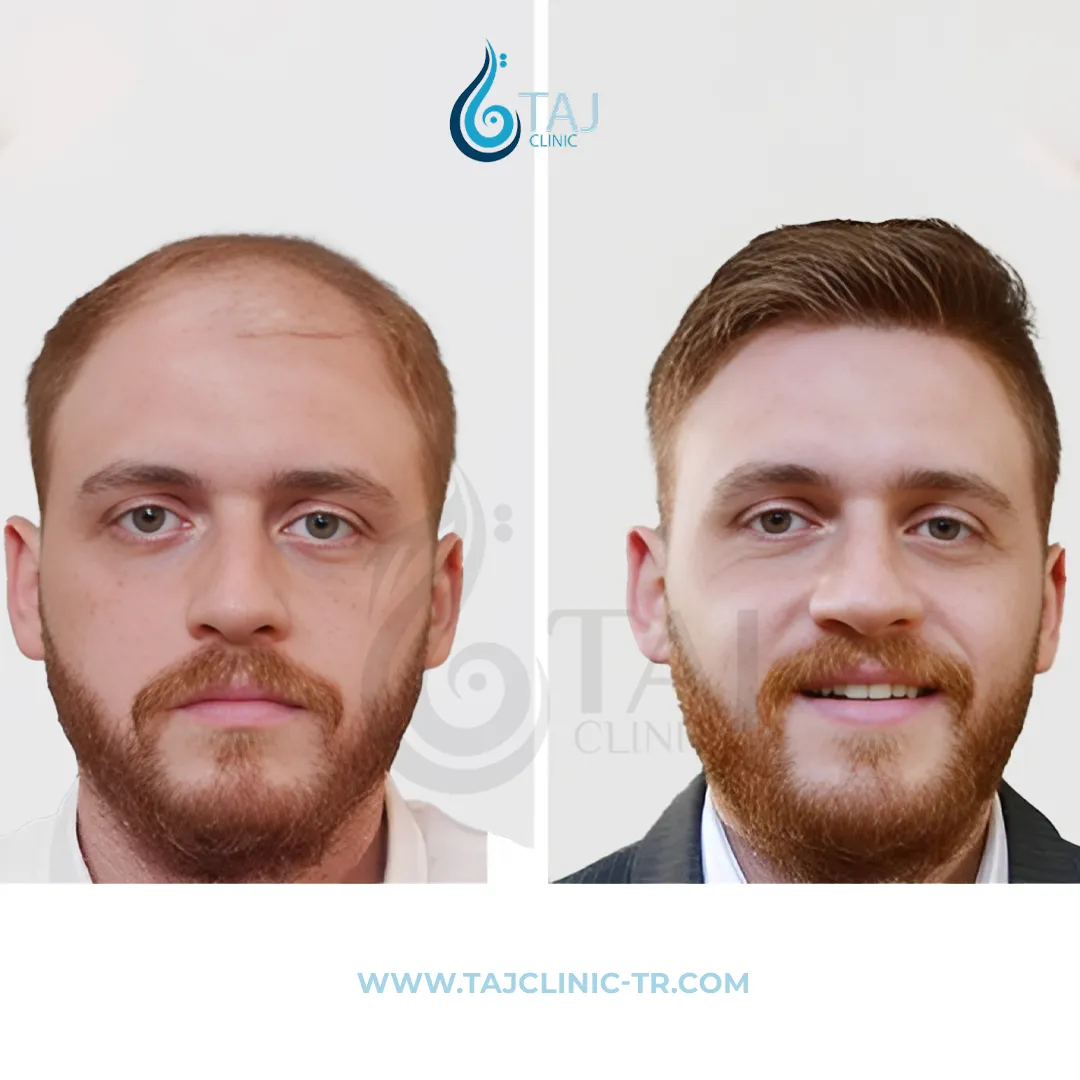
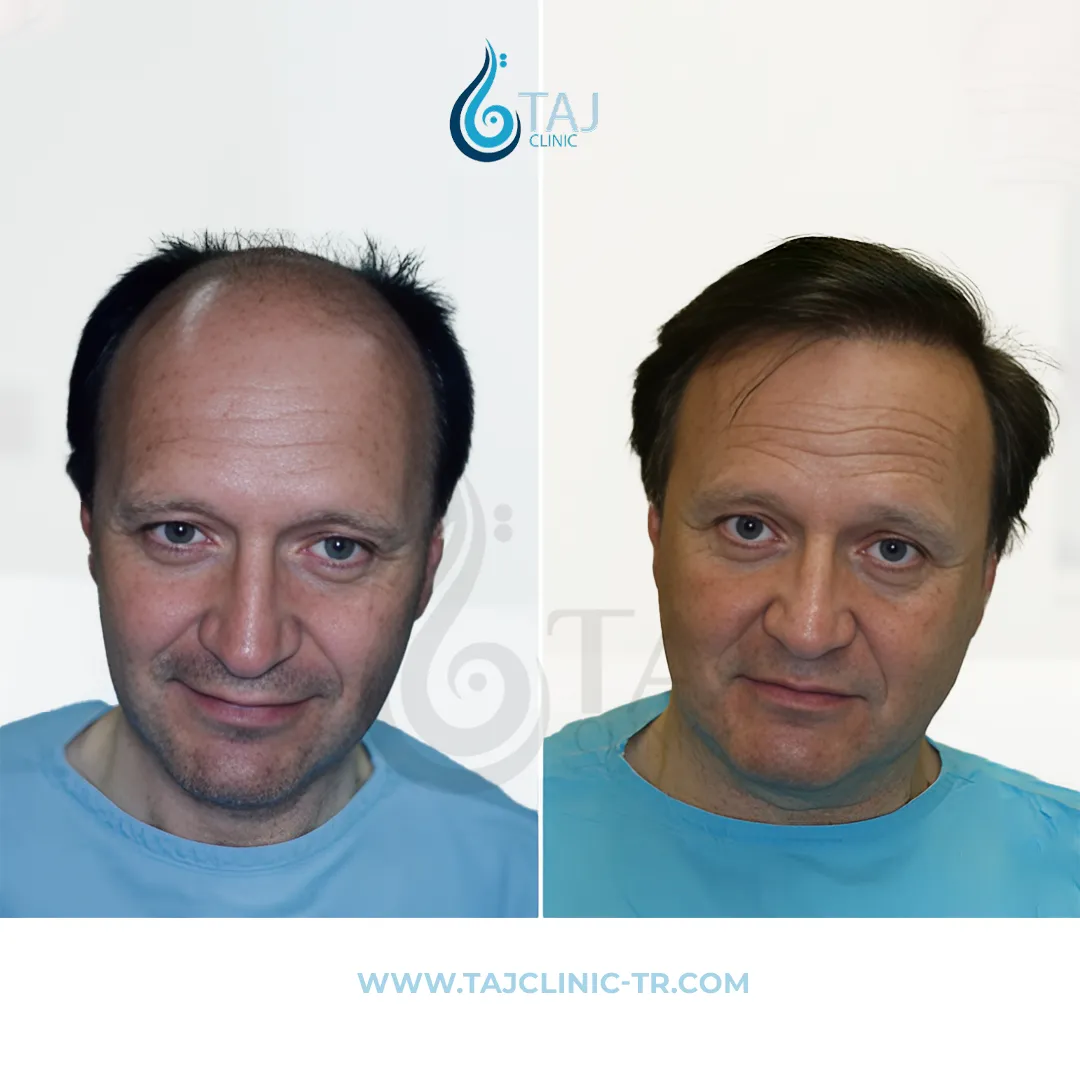
Frequently Asked Questions
In most cases, body sculpting surgery is considered a cosmetic procedure and is not covered by insurance. However, in some cases where the procedure is considered medically necessary due to a medical condition or injury, insurance may cover the cost of surgery.
Body contouring surgery refers to a variety of surgical procedures designed to reshape and contour the body. These procedures may include removing excess skin and fat, tightening muscles or changing the shape and size of certain parts of the body, such as; Abdomen and thighs, or arms and buttocks.
The cost of body sculpting surgery varies depending on the extent of the procedure, the surgeon’s experience, the location of the surgery, and the clinic’s prices. In general, the cost of body contouring surgery can range from $4,000 to $15,000 or more.
Non-surgical body sculpting refers to non-surgical or minimally invasive cosmetic procedures that can help reshape and define the body without the need for surgical intervention. Examples of non-surgical body sculpting procedures include CoolSculpting and SculpSure.
After rhinoplasty, patients are usually advised to avoid strenuous physical activities, lift heavy objects, blow their nose, and wear eyeglasses or sunglasses for several weeks to allow for proper healing.
Rhinoplasty is usually performed under general anesthesia, so the procedure itself is not painful. Some people may experience mild discomfort, swelling, and bruising after the procedure, but these symptoms can be managed with medications and cold compresses.
The duration of rhinoplasty can vary depending on several factors such as: The extent of the operation and the experience of the surgeon. On average, it can take 1-3 hours to complete.
Recovery time after rhinoplasty can vary depending on several factors such as the extent of the procedure, the patient’s general health, and adherence to post-operative instructions. On average, it may take 2-3 weeks for initial recovery and several months for the final results to be fully visible.
Rhinoplasty is a cosmetic or reconstructive surgical procedure that involves reshaping the bone and cartilage of the nose to improve its appearance or function.
Rhinoplasty, also known as rhinoplasty, is a surgical procedure aimed at improving the appearance and/or function of the nose by reshaping bone and cartilage.
The cost of rhinoplasty varies depending on several factors, such as the surgeon’s experience, location, and extent of the procedure. On average, it can range from $5,000 to $10,000 in the United States
Dental veneers can last between 5 to 15 years, depending on the materials used, the individual’s oral hygiene habits, and other factors. Regular dental checkups and proper care can help extend the life of veneers.
If teeth are not kept clean, decay can occur around or under the edges of the veneer, leading to further dental problems. It is important to continue brushing, flossing, and having regular dental checkups to prevent cavities and other dental problems.
Dental veneers are used to improve the appearance of teeth that are discolored, cracked, or have other cosmetic problems. However, other dental treatments may be necessary before veneers are placed if the teeth have significant decay or structural damage.
When placed correctly and taken good care of, veneers will not damage your teeth. However, if the veneer is not placed correctly, or when the underlying tooth structure is damaged during preparation, it can lead to problems such as sensitivity or cavities.