
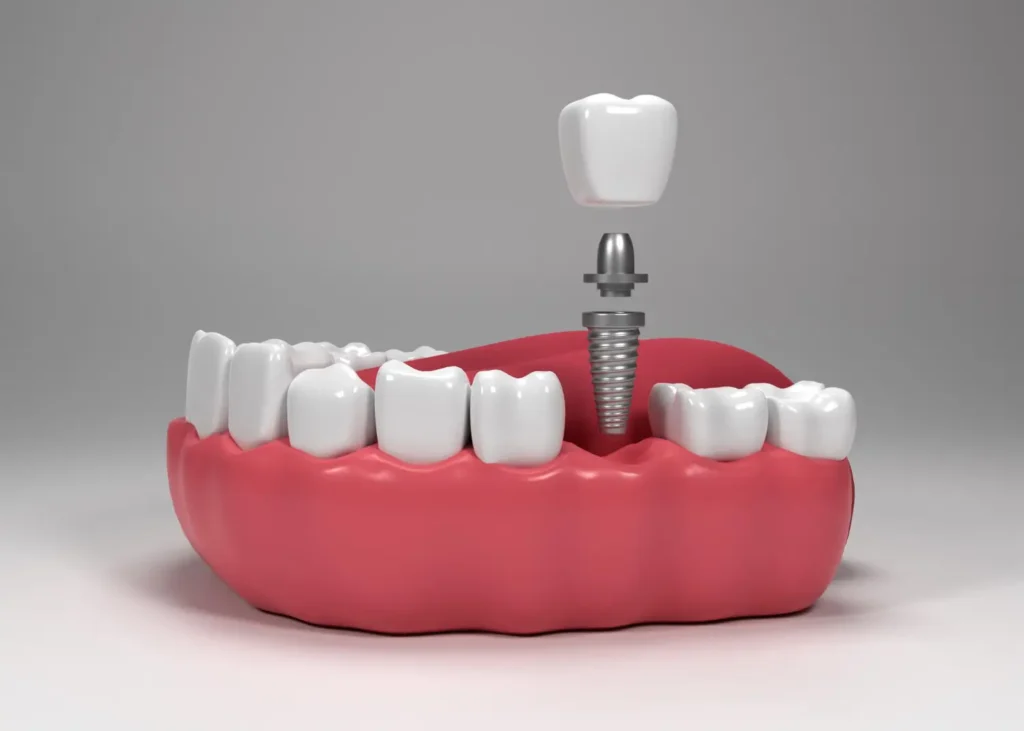
Description Dental implants
Dental implantation has recently become more common, thanks to advancements in cosmetic dentistry, enhanced surgical techniques, and improved implant materials. As a result, there is a growing demand among individuals seeking to restore their teeth, maintain oral hygiene, and achieve a bright smile.
Dental implant surgeries are among the most sought-after dental procedures, offering a superior solution compared to removable dentures and providing the feeling of having natural teeth. There is no age limit for dental implantation on implanted artificial teeth.
What sets the procedure apart is the type of implants. One can undergo the implantation of a single tooth or multiple teeth, with costs varying accordingly. Consult with your dentist to determine the most suitable option for you.
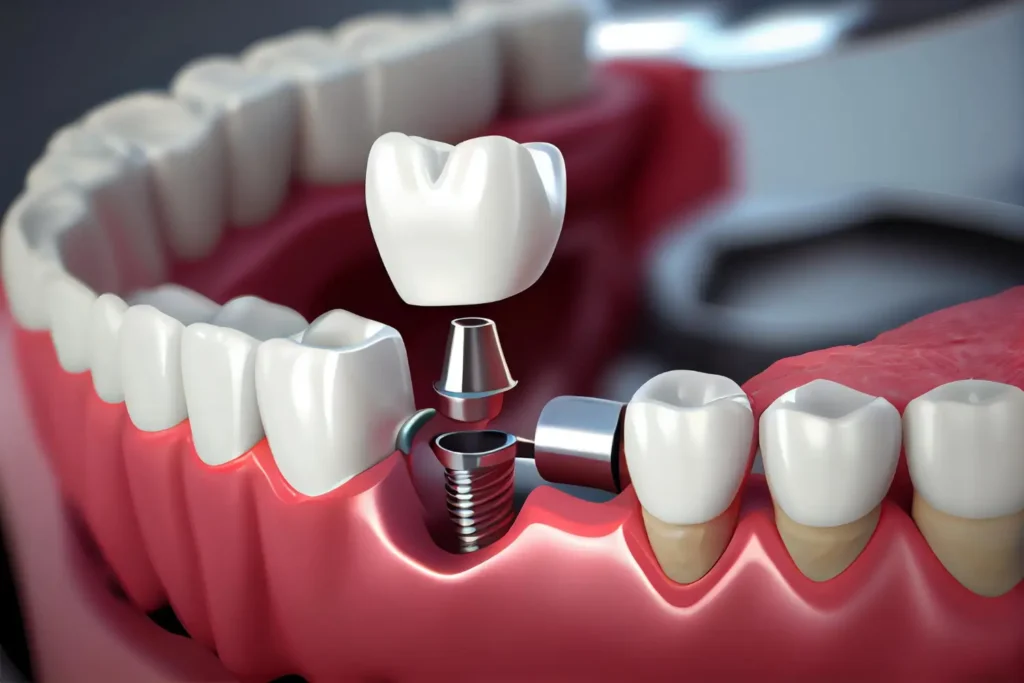
The dentist replaces missing teeth with surgically implanted roots into the jawbones. The implants are then covered with crowns, selected to match the natural appearance of the mouth.

Who are the candidatesDental implants؟
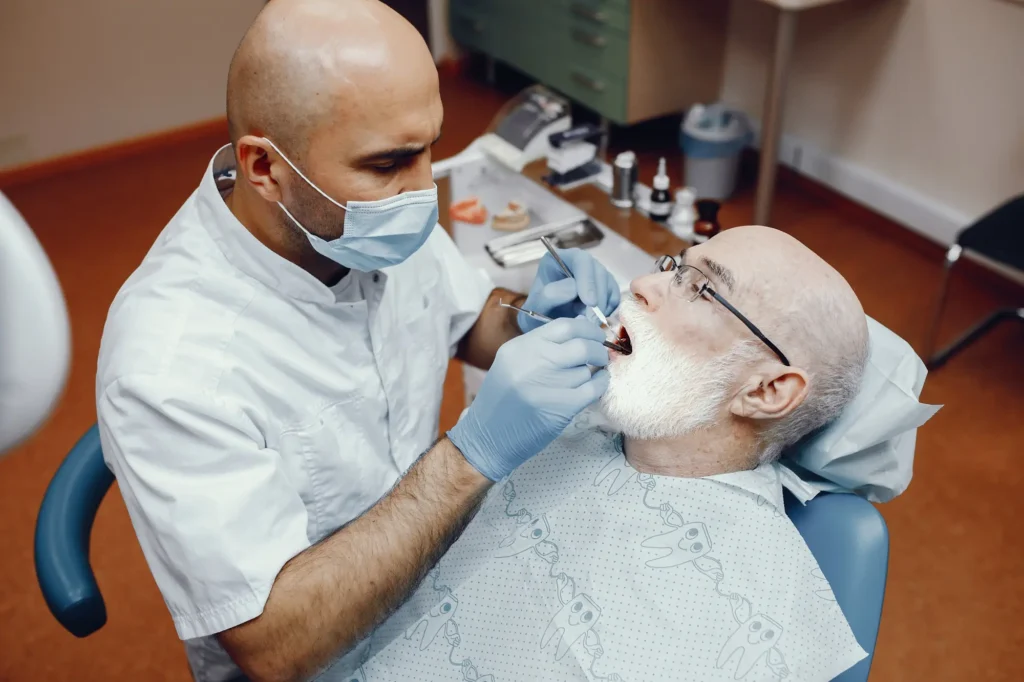
The dentist begins by conducting a thorough examination of the dental patient, similar to any routine check-up. The doctor carefully reviews the patient’s medical history to ensure there are no chronic diseases that would hinder dental implantation.
Among the conditions that must be met for you to be a candidate for dental implantation are:
- The patient should have lost one or more teeth and wishes to have artificial teeth implanted for cosmetic or medical reasons.
- The patient undergoing the procedure should be free from certain bone-affecting diseases, such as diabetes and advanced osteoporosis.
- The patient undergoing dental implantation should have sufficient bone density for successful results.
- Patients maintaining good oral hygiene and desiring dental implantation should have overall oral health.
- The patient undergoing dental implantation should not suffer from chronic high blood pressure.
- Non-heavy smokers – those who smoke more than 10 cigarettes a day are considered heavy smokers.
It’s worth noting that if the patient lacks the necessary bone density for dental implantation, bone grafting may be considered as a better solution for their condition.
Tips before proceeding Dental implants
Patients undergoing dental implantation should follow a set of instructions and guidelines before the procedure to ensure a successful dental implant.
These instructions include:
- Choose an experienced and reputable oral surgeon, as dental implantation is a precise surgical procedure.
- Select a dental center known for its good treatment services provided before and after the procedure.
- Maintain routine oral hygiene as a patient undergoing dental implantation.
- Abstain from alcohol consumption for at least a week before the procedure.
- Refrain from smoking for at least a week before surgery.
What are the stages Dental implants؟
Dental implantation is carried out in several routine stages:
- The doctor prepares the designated area for implantation. Pure titanium implants are then placed in the jawbone in the area of the missing teeth, serving as roots for the teeth.
- The jawbone and the implant heal together during a stage called osseointegration, where bone fusion occurs. This process takes six months for the upper jaw and three months for the lower jaw.
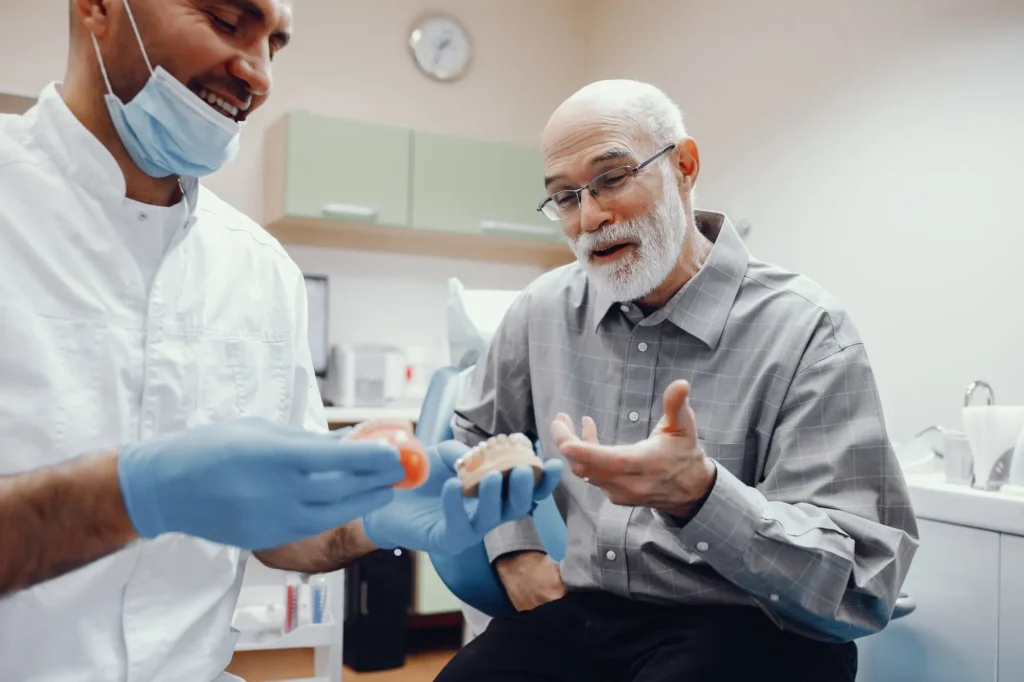
- The doctor prepares the final restoration for dental implantation. This stage involves multiple sessions, including the preparation of impressions from oral molds. Until the permanent crowns are ready, the doctor places temporary crowns on the implants. Then, the permanent teeth are attached to the implants, replacing the missing tooth entirely.
- Dental implantation may involve mild pain, which can be alleviated with common pain relievers. The implantation procedure takes about half an hour. The success rate of dental implants is around 90% for the upper jaw and 95% for the lower jaw. The reason is that it is challenging to anchor implants to the upper jawbone.
What to expect next of Dental implants؟
To achieve the desired results from dental implantation, there are several instructions that the patient must follow. Some of these instructions include:
- Refrain from hot drinks and food until the effect of local anesthesia wears off.
- Drink plenty of water.
- Avoid smoking for 5 days after surgery.
- Apply ice packs to the surgical site in the cheek and facial sides during the first 24 to 48 hours after surgery.
- Apply cold packs for 20 minutes with 10-minute intervals.
- Undergo routine dental check-ups with your dentist every six months.
- Avoid alcohol and smoking to maintain the implants; otherwise, they may lead to the failure of the procedure later on.
- Expect swelling, fever, throat inflammation, and mild ear pain after the procedure.
If you want your implant procedures to be successful, comfortable, have a long-term solution, and support osseointegration, you must adhere to these recommendations.
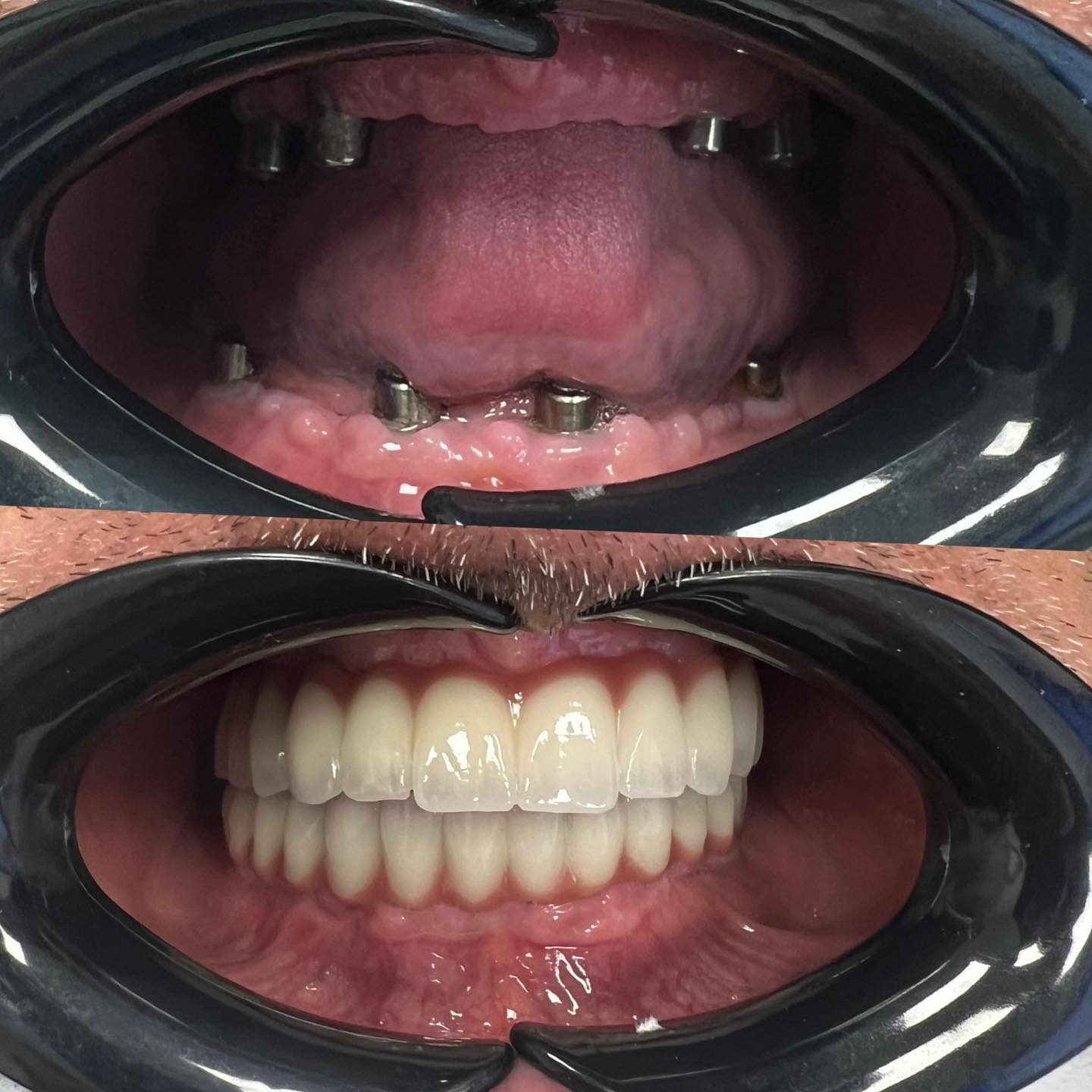
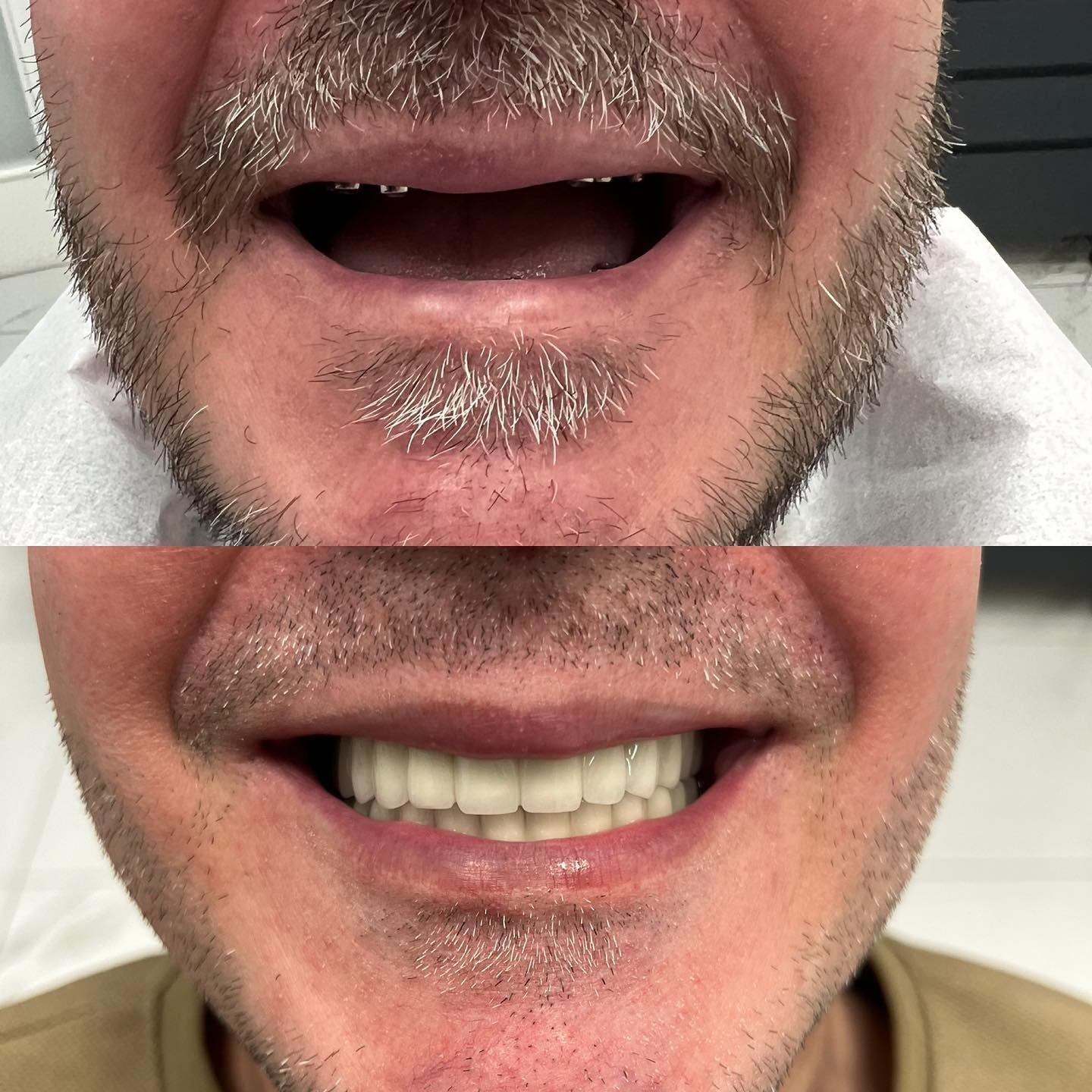
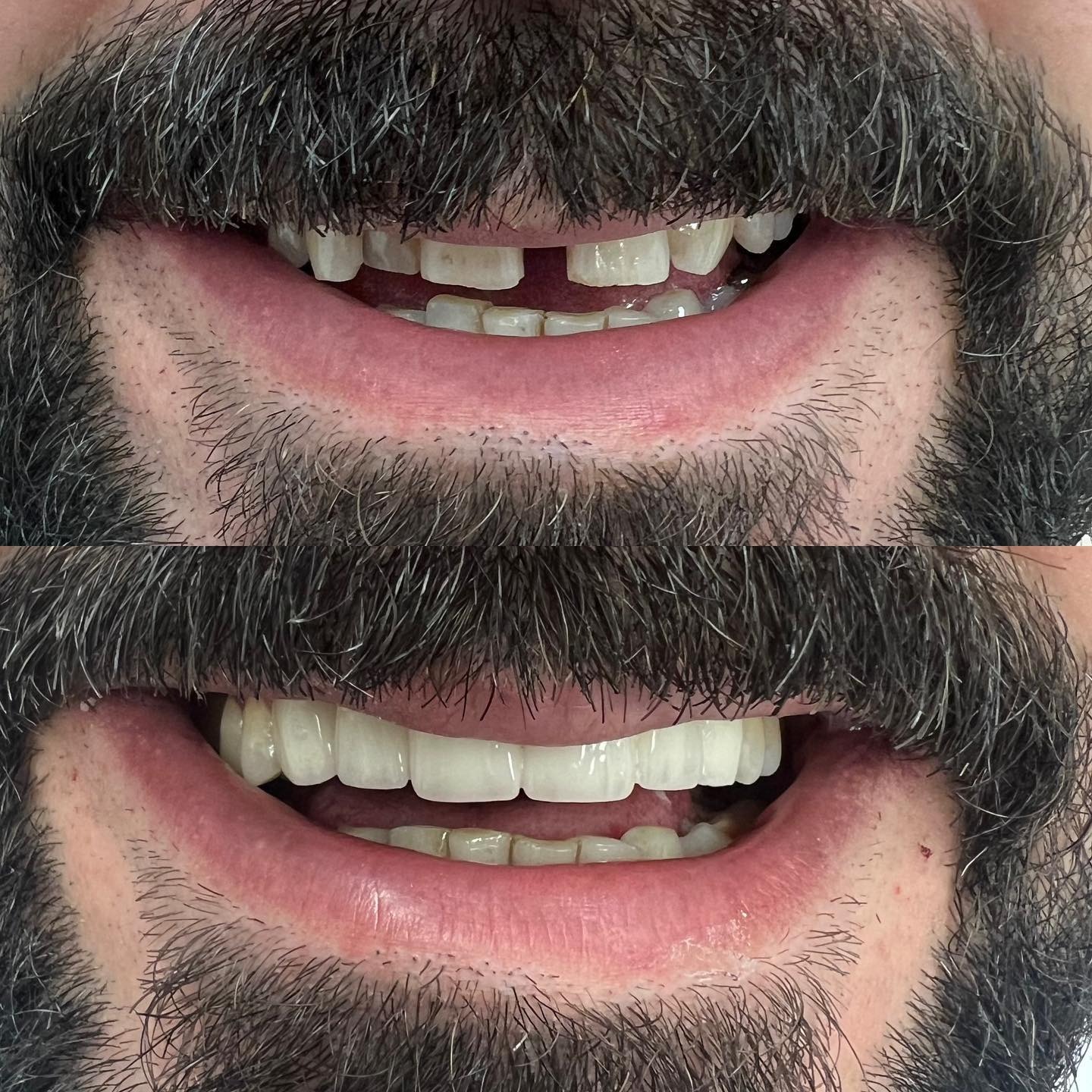
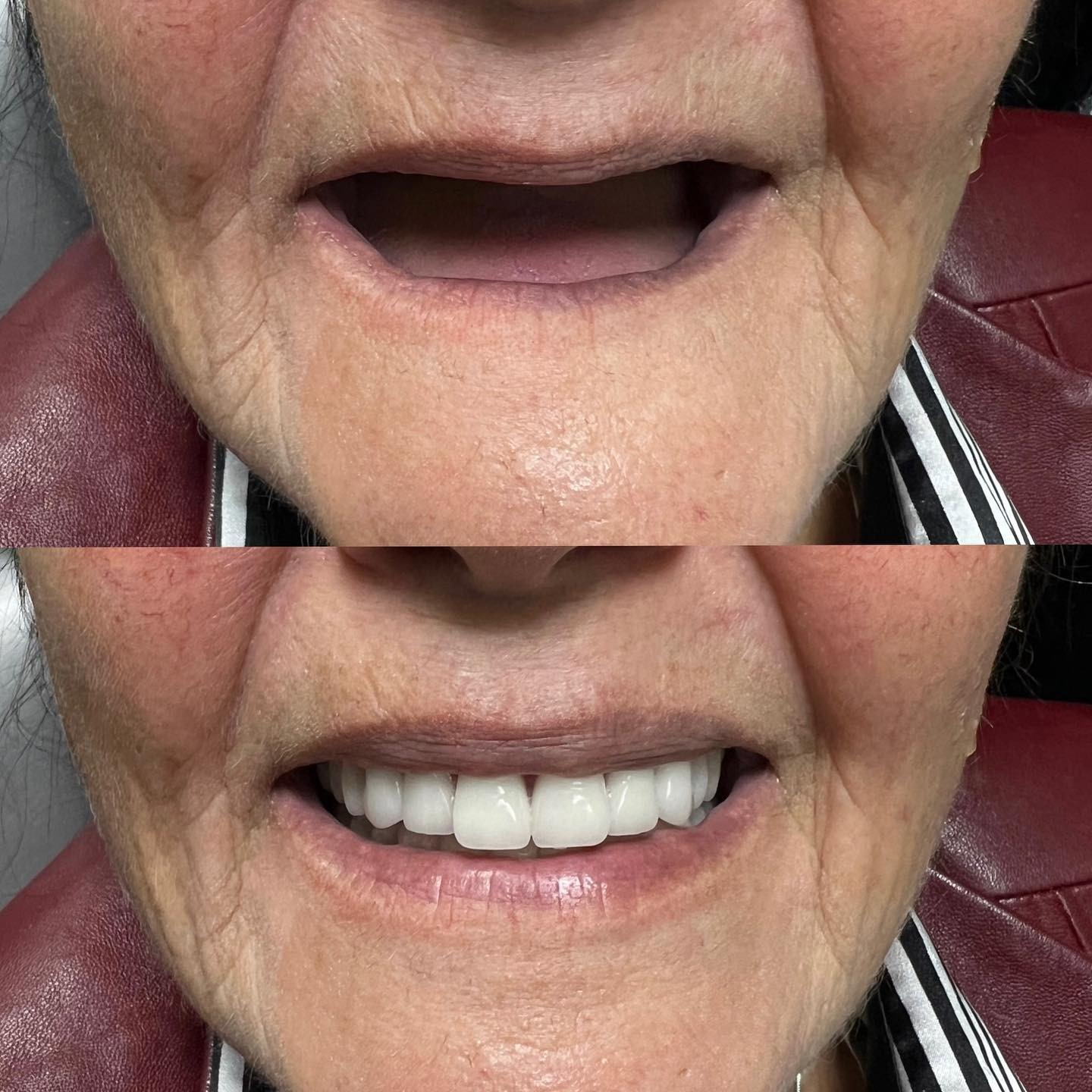
Before & After
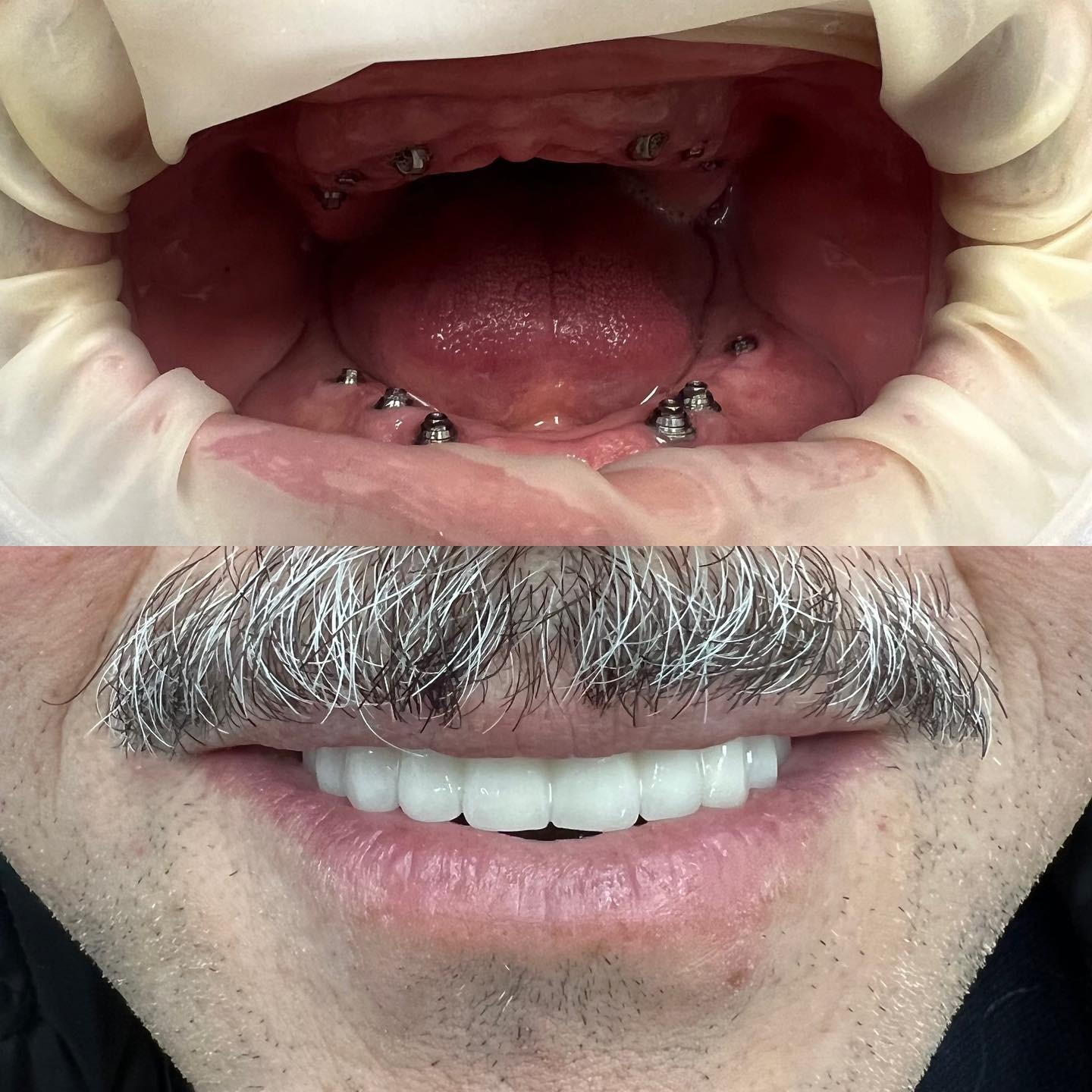
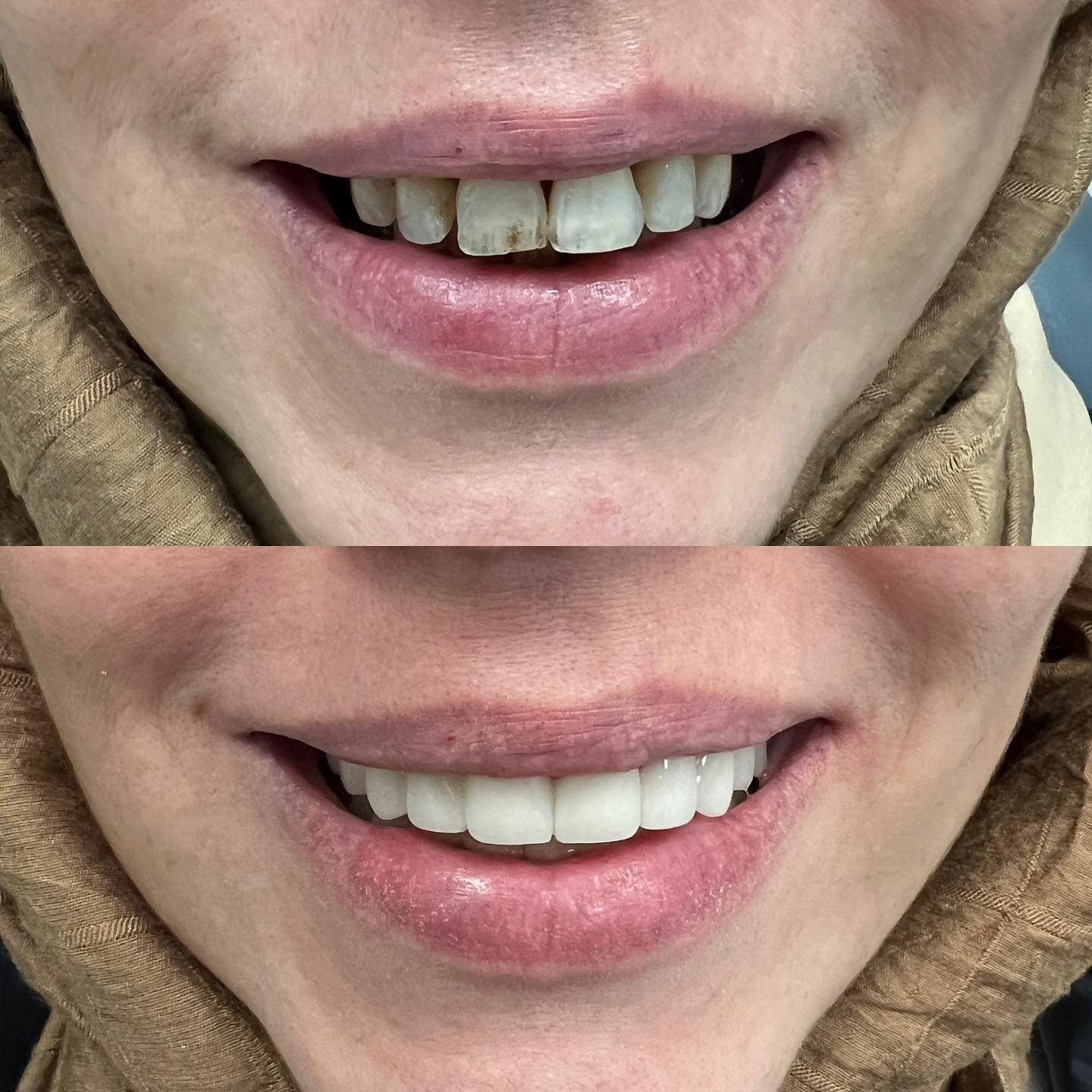
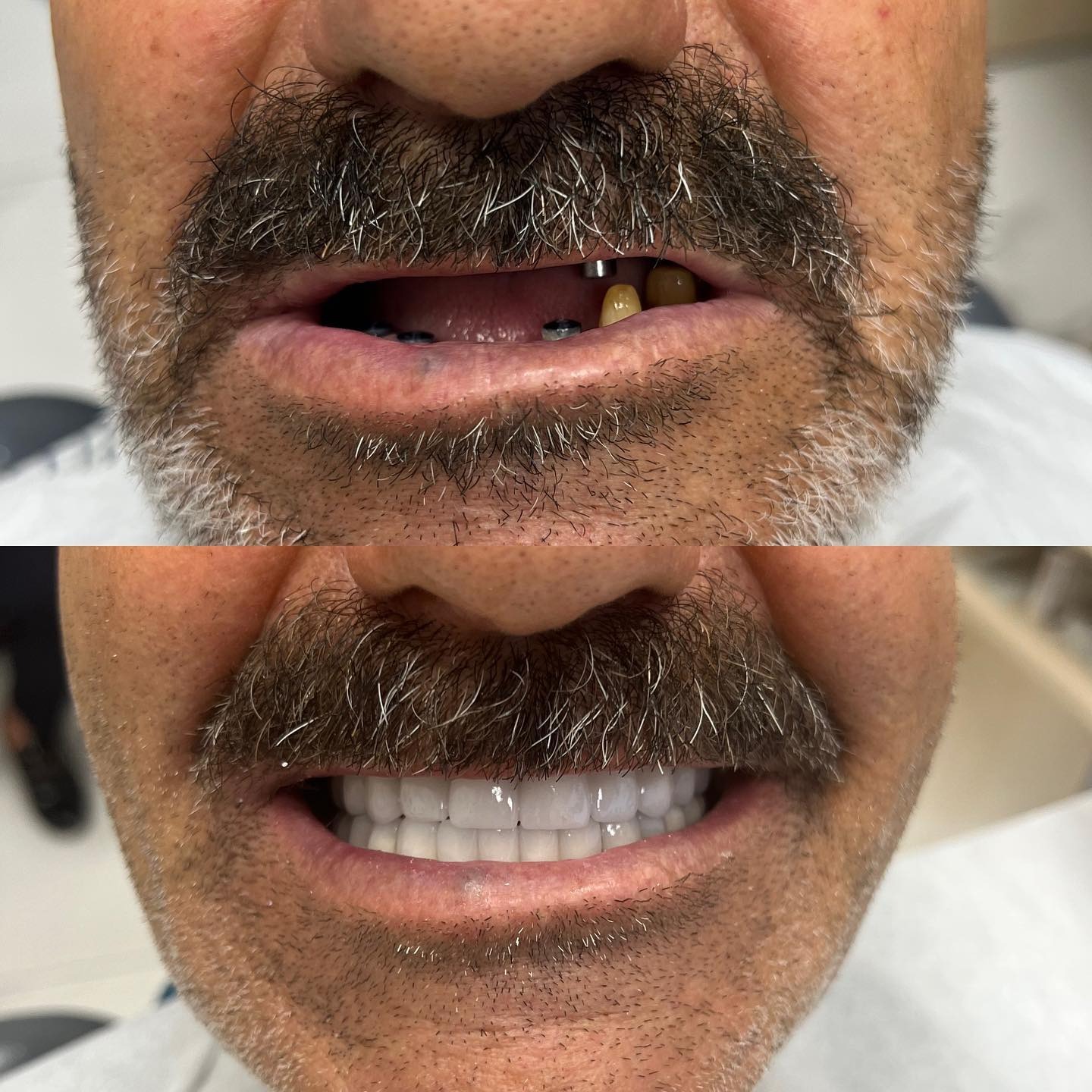
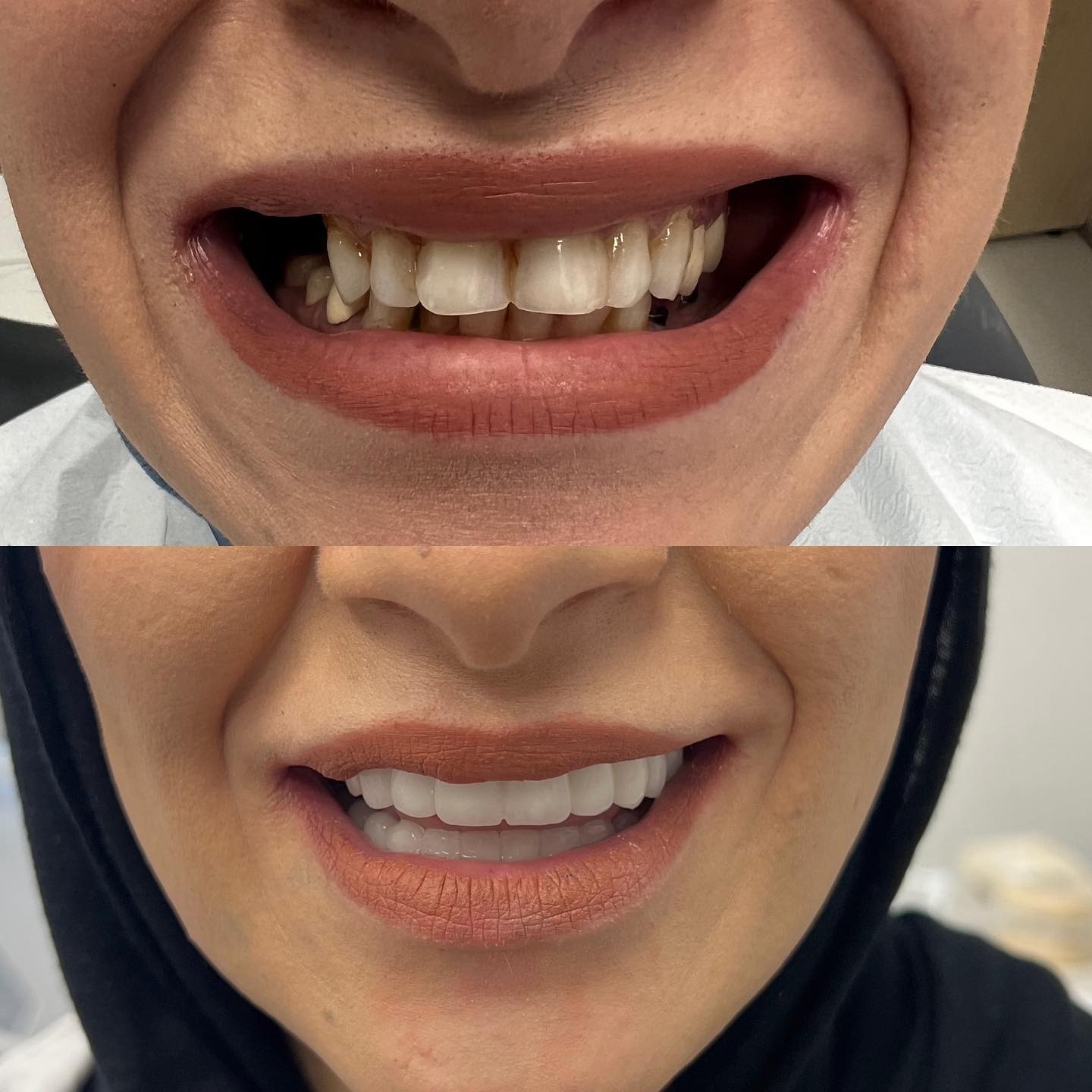
Frequently Asked Questions
In most cases, body sculpting surgery is considered a cosmetic procedure and is not covered by insurance. However, in some cases where the procedure is considered medically necessary due to a medical condition or injury, insurance may cover the cost of surgery.
Body contouring surgery refers to a variety of surgical procedures designed to reshape and contour the body. These procedures may include removing excess skin and fat, tightening muscles or changing the shape and size of certain parts of the body, such as; Abdomen and thighs, or arms and buttocks.
The cost of body sculpting surgery varies depending on the extent of the procedure, the surgeon’s experience, the location of the surgery, and the clinic’s prices. In general, the cost of body contouring surgery can range from $4,000 to $15,000 or more.
Non-surgical body sculpting refers to non-surgical or minimally invasive cosmetic procedures that can help reshape and define the body without the need for surgical intervention. Examples of non-surgical body sculpting procedures include CoolSculpting and SculpSure.
After rhinoplasty, patients are usually advised to avoid strenuous physical activities, lift heavy objects, blow their nose, and wear eyeglasses or sunglasses for several weeks to allow for proper healing.
Rhinoplasty is usually performed under general anesthesia, so the procedure itself is not painful. Some people may experience mild discomfort, swelling, and bruising after the procedure, but these symptoms can be managed with medications and cold compresses.
The duration of rhinoplasty can vary depending on several factors such as: The extent of the operation and the experience of the surgeon. On average, it can take 1-3 hours to complete.
Recovery time after rhinoplasty can vary depending on several factors such as the extent of the procedure, the patient’s general health, and adherence to post-operative instructions. On average, it may take 2-3 weeks for initial recovery and several months for the final results to be fully visible.
Rhinoplasty is a cosmetic or reconstructive surgical procedure that involves reshaping the bone and cartilage of the nose to improve its appearance or function.
Rhinoplasty, also known as rhinoplasty, is a surgical procedure aimed at improving the appearance and/or function of the nose by reshaping bone and cartilage.
The cost of rhinoplasty varies depending on several factors, such as the surgeon’s experience, location, and extent of the procedure. On average, it can range from $5,000 to $10,000 in the United States
Dental veneers can last between 5 to 15 years, depending on the materials used, the individual’s oral hygiene habits, and other factors. Regular dental checkups and proper care can help extend the life of veneers.
If teeth are not kept clean, decay can occur around or under the edges of the veneer, leading to further dental problems. It is important to continue brushing, flossing, and having regular dental checkups to prevent cavities and other dental problems.
Dental veneers are used to improve the appearance of teeth that are discolored, cracked, or have other cosmetic problems. However, other dental treatments may be necessary before veneers are placed if the teeth have significant decay or structural damage.
When placed correctly and taken good care of, veneers will not damage your teeth. However, if the veneer is not placed correctly, or when the underlying tooth structure is damaged during preparation, it can lead to problems such as sensitivity or cavities.